
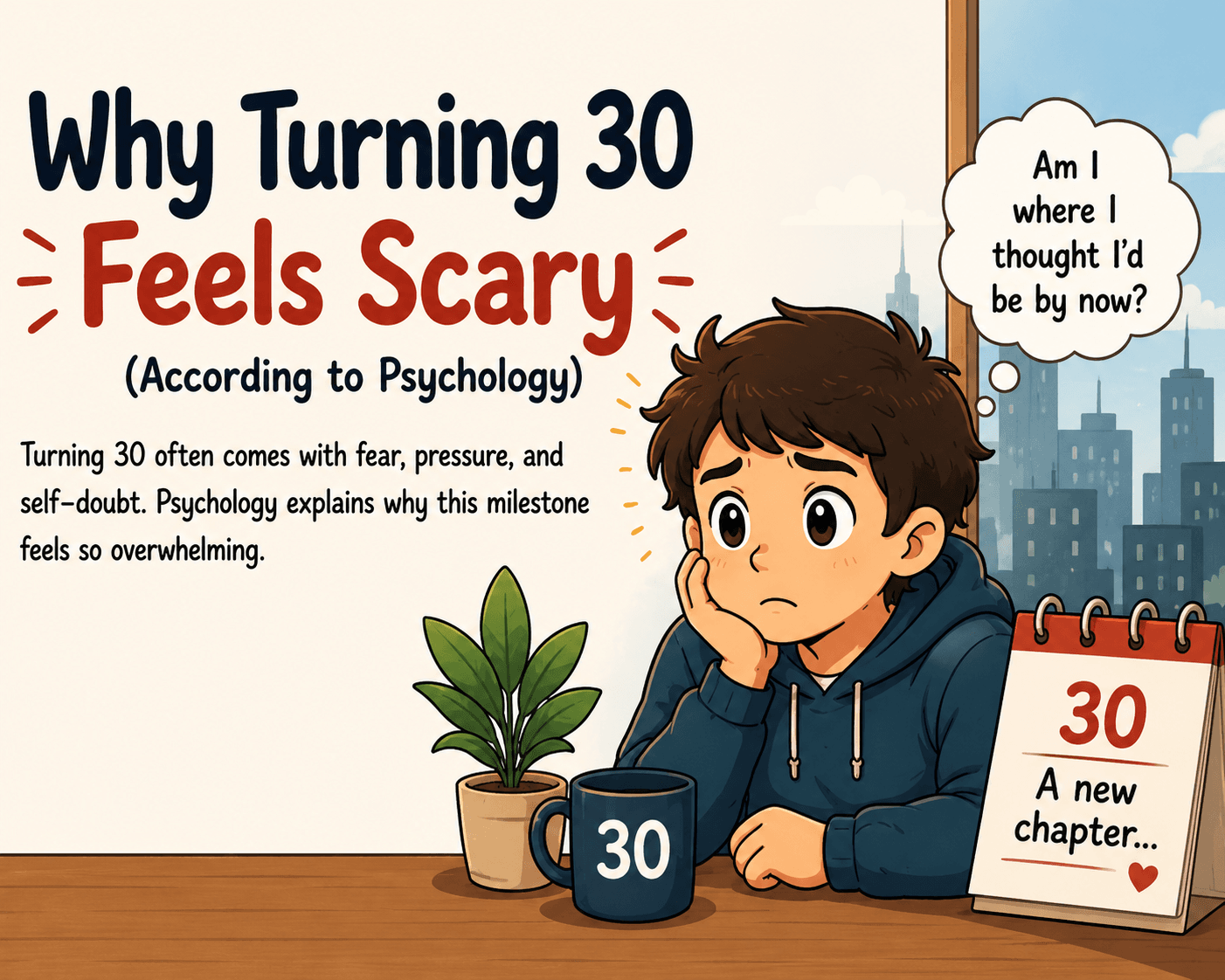
Growing older is something everyone experiences, yet turning 30 often feels different from every birthday before it. For many people, it marks the end of young adulthood and the beginning of a new chapter filled with greater responsibility, changing priorities, and deeper self-reflection.
While some welcome this milestone with excitement, others feel anxious, uncertain, or even afraid.
If you’ve ever wondered why turning 30 feels so overwhelming, psychology offers several explanations. The fear usually isn’t about the number itself—it’s about what we believe that number means.
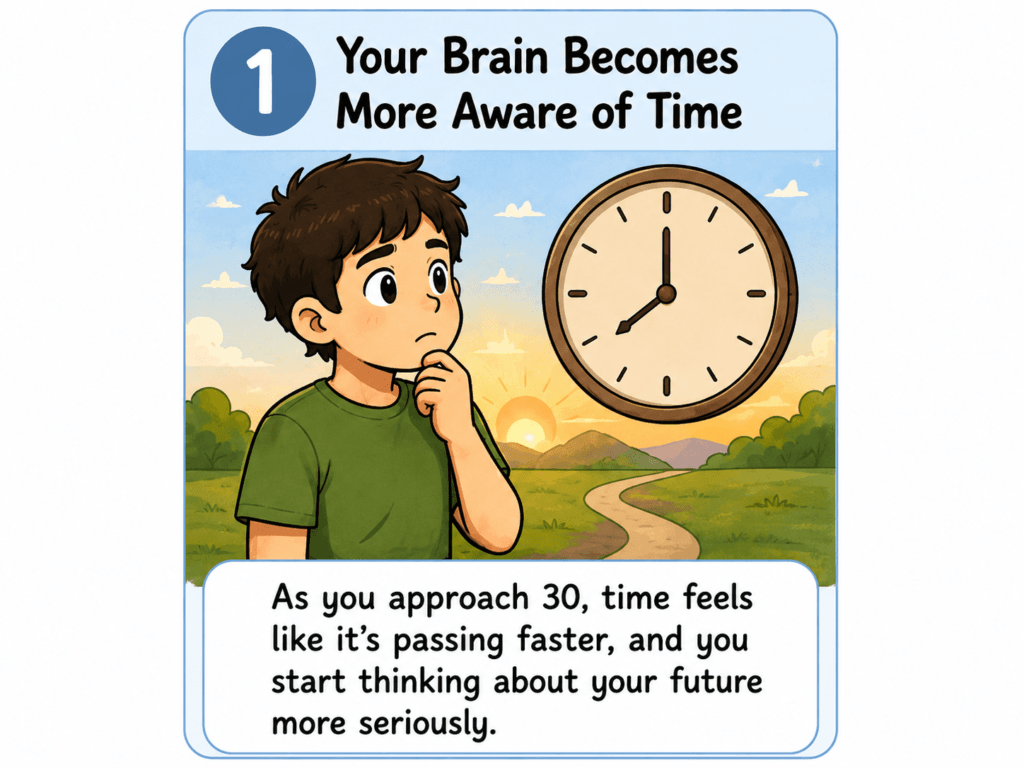
1. Your Brain Becomes More Aware of Time
When we’re younger, the future often feels endless. We believe we have plenty of time to chase dreams, change careers, travel the world, or start over if things don’t work out.
As we approach 30, however, our perception of time begins to shift. Psychologists have found that major milestone birthdays naturally encourage people to reflect on their lives. Suddenly, we become more aware that time is moving forward, and we start asking ourselves difficult questions.
Have I accomplished enough?
Am I where I thought I’d be?
Am I running out of time?
This increased awareness isn’t a sign of failure—it’s simply your mind becoming more focused on long-term goals.
2. Society Creates Invisible Deadlines
One of the biggest reasons turning 30 feels stressful is because society quietly teaches us that certain achievements should happen before this age.
Many people grow up hearing messages like:
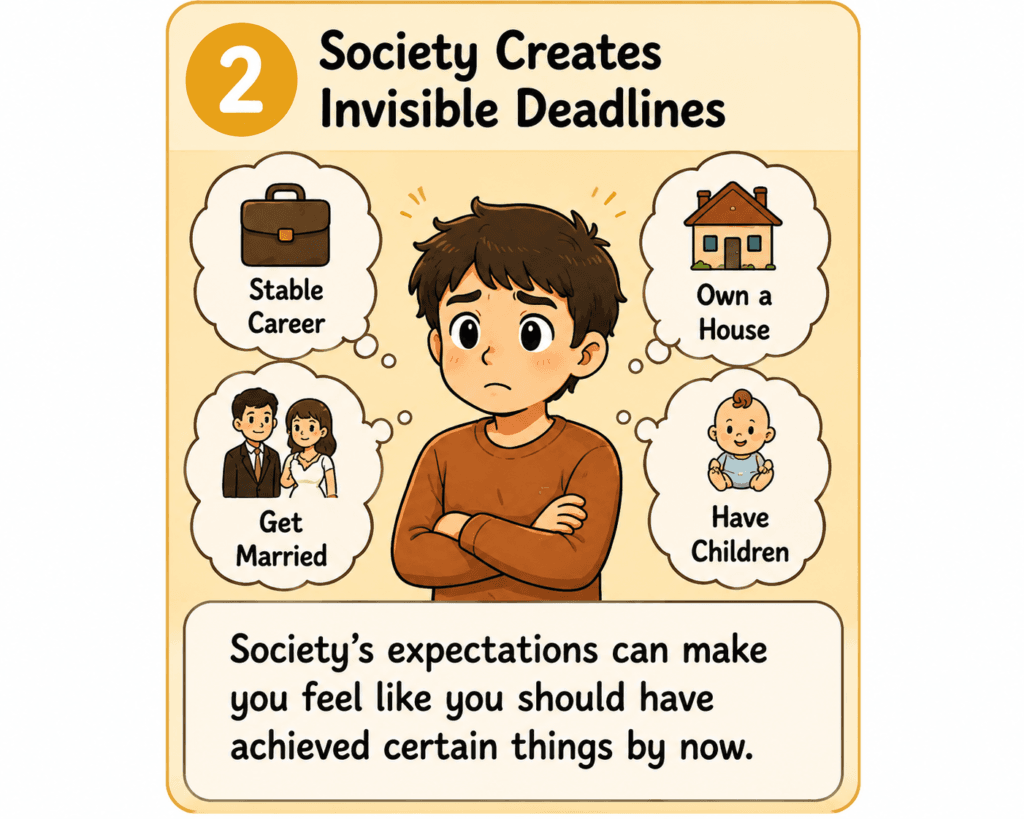
- You should have a stable career.
- You should own a house.
- You should be married.
- You should have children.
- You should already know exactly what you’re doing in life.
Even if you don’t personally believe these expectations, seeing friends, relatives, or social media posts can make you feel as though you’re falling behind.
Psychologists call this social comparison, and it often causes unnecessary stress because everyone follows a different timeline.
3. You Begin Comparing Your Life to Others
In your twenties, comparisons often focus on fun experiences or popularity.
By your thirties, they usually shift toward careers, finances, relationships, and life achievements.
You might see someone buying a house.
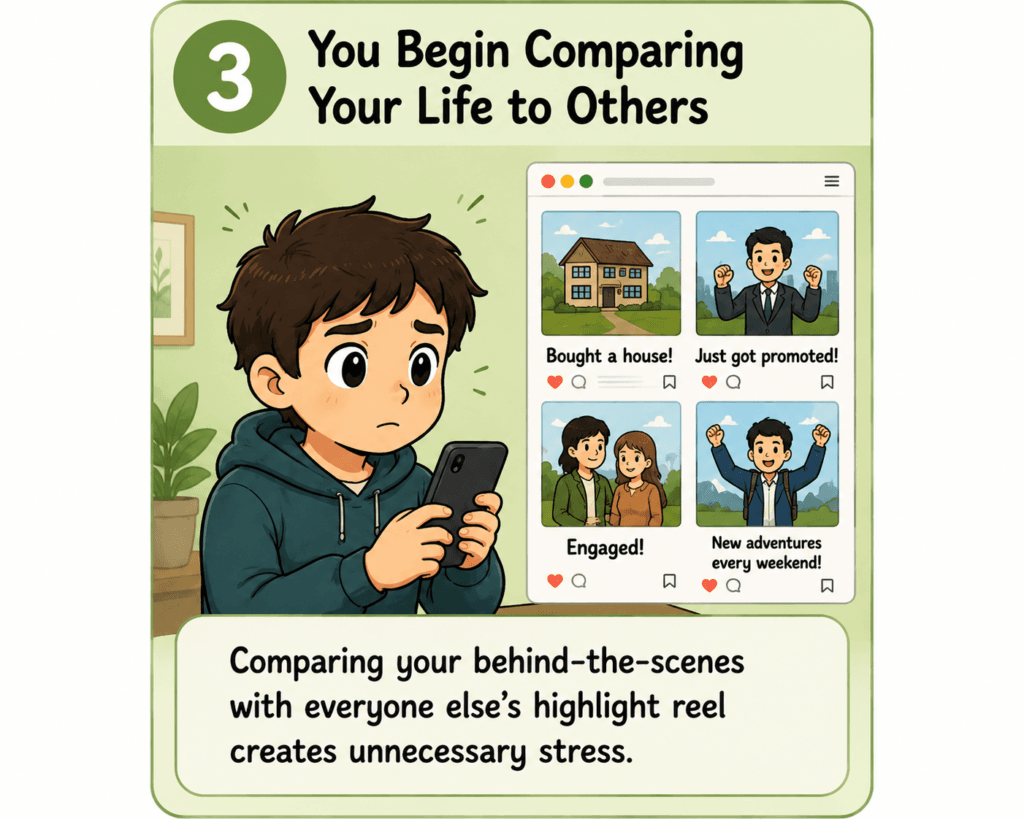
Another gets promoted.
Someone else announces their engagement.
Someone starts a successful business.
Without realizing it, your brain begins measuring your own life against theirs.
The problem is that you’re comparing your everyday reality to someone else’s highlight reel.
Everyone has struggles they rarely share, making these comparisons unfair and emotionally draining.
4. Your Identity Starts to Change
Your twenties are often about exploration.
You try different jobs.
You meet new people.
You discover what you enjoy—and what you don’t.
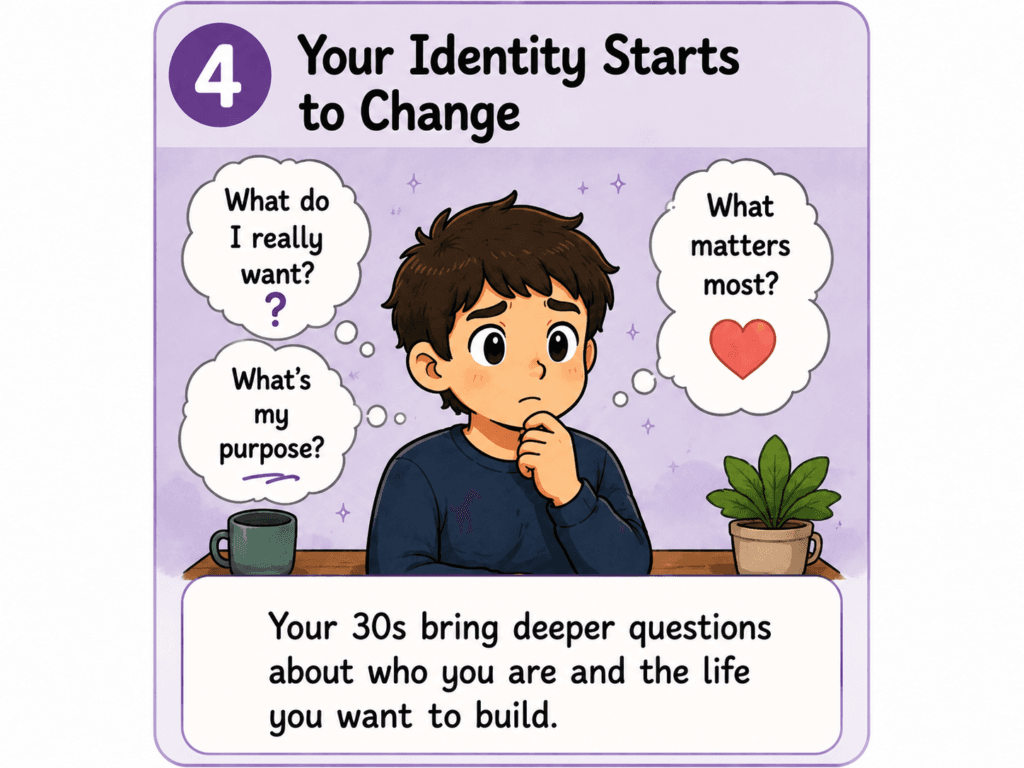
Turning 30 often brings a different question: Who do I actually want to become?
Instead of chasing excitement, many people begin searching for meaning.
You may find yourself questioning your career, friendships, lifestyle, or even long-held goals.
Although this uncertainty can feel uncomfortable, psychologists view it as a healthy stage of adult development because it helps people build lives that better match their values.
5. You Realize Life Isn’t Unlimited
One of the most emotional parts of turning 30 is becoming more aware of life’s reality.
You notice your parents getting older.
Friendships naturally drift apart.
Responsibilities become heavier.
Some dreams become less important, while others become more meaningful.
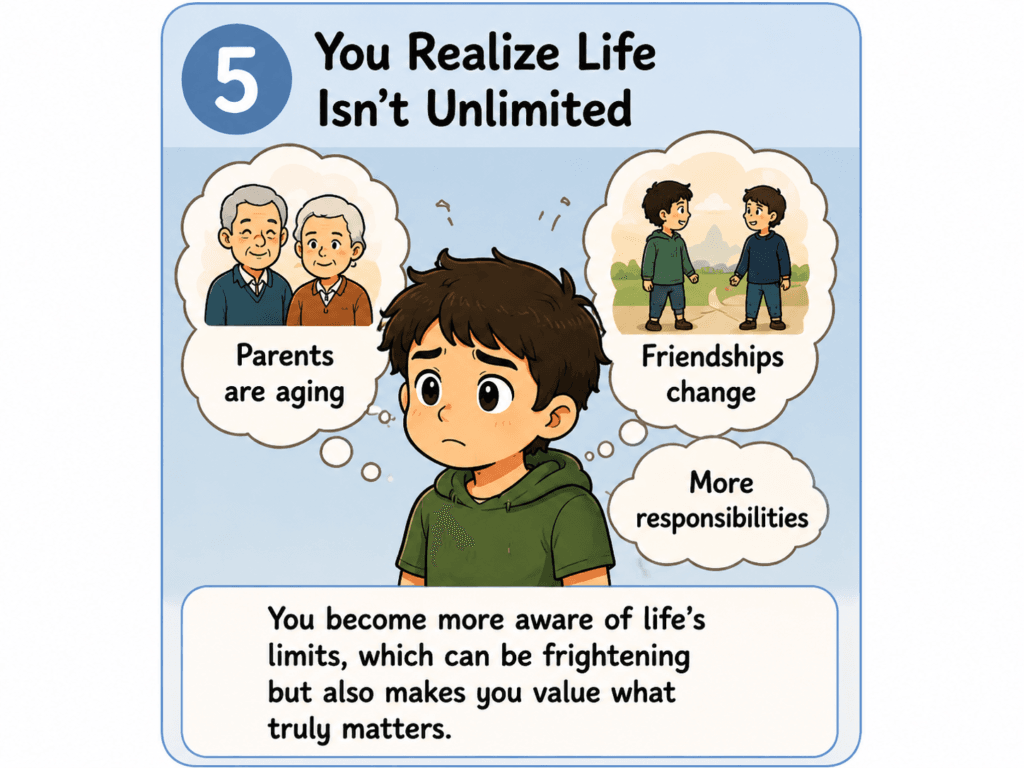
This realization can be frightening because it reminds us that life has limits.
Yet psychology suggests that recognizing life’s limits often increases gratitude.
People become more intentional with their time, relationships, and decisions because they understand those things are valuable.
6. You Fear Future Regret More Than Failure
Perhaps the deepest reason turning 30 feels scary is that many people begin reflecting on opportunities they didn’t take.
Maybe you postponed your dream career.
Maybe you stayed too long in an unhealthy relationship.
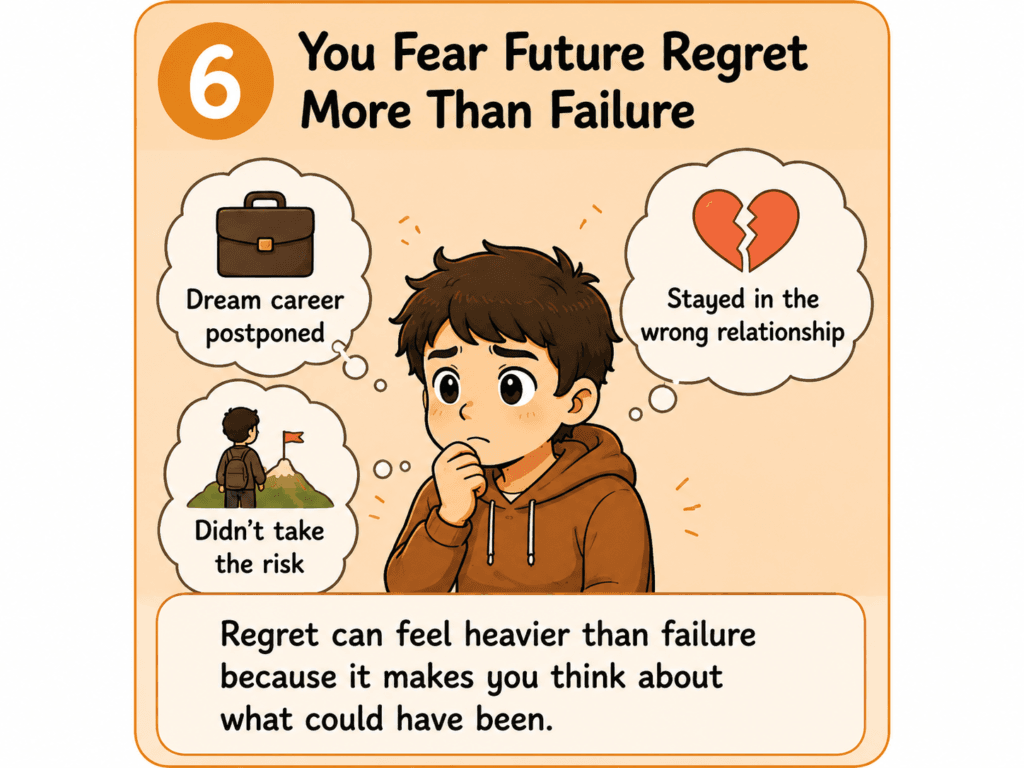
Maybe fear stopped you from taking risks.
Psychologists explain that regret becomes more emotionally powerful as we age because we begin connecting our past choices to our future possibilities.
The good news is that this reflection doesn’t have to trap you.
Instead, it can become the motivation to finally make the changes you’ve been postponing.
Final Thoughts
Turning 30 can feel intimidating, but it isn’t the deadline many people imagine it to be.
The anxiety you feel often comes from increased self-awareness, social expectations, and comparisons—not from the number itself.
In many ways, your thirties offer something your twenties often cannot: greater clarity, stronger confidence, and a better understanding of what truly matters.
Rather than asking whether you’re behind, ask yourself a different question:
Am I becoming the person I truly want to be?
Because success isn’t about reaching someone else’s timeline. It’s about building a life that reflects your own values, one meaningful step at a time.