

Anger is a natural human emotion. Everyone feels it—from minor annoyances to intense frustration. Even if it only lasts a few minutes, anger can cause real physical changes in your body.

So, what exactly happens when you get angry? And how does it affect your health? Let’s break it down in a simple and clear way.
The Body’s Instant Reaction to Anger
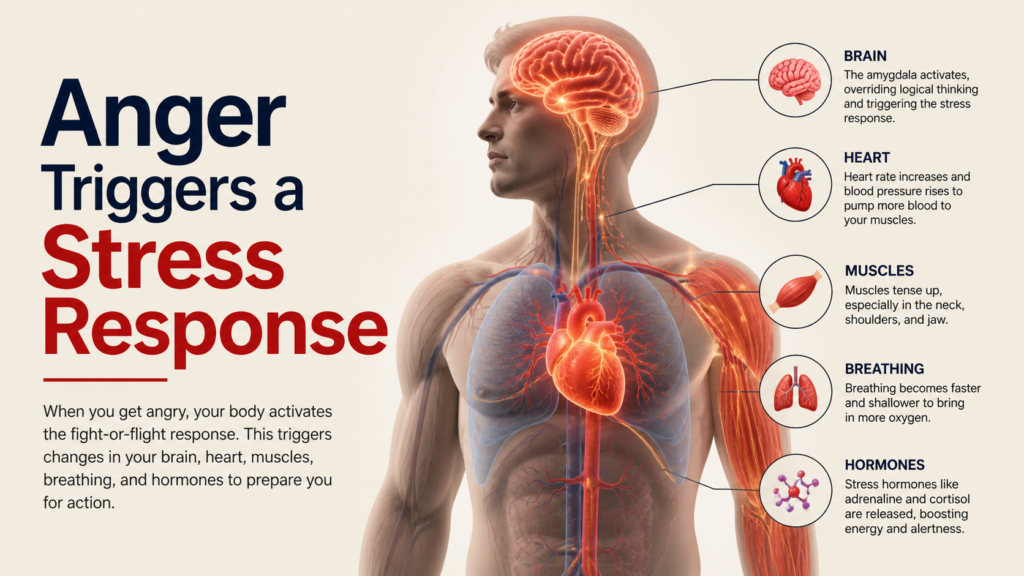
When you get angry, your body triggers the fight-or-flight response. This is an automatic survival system meant to protect you from danger.
Even if there’s no actual threat, your body reacts as if there is one.
1. Your Brain Takes Control
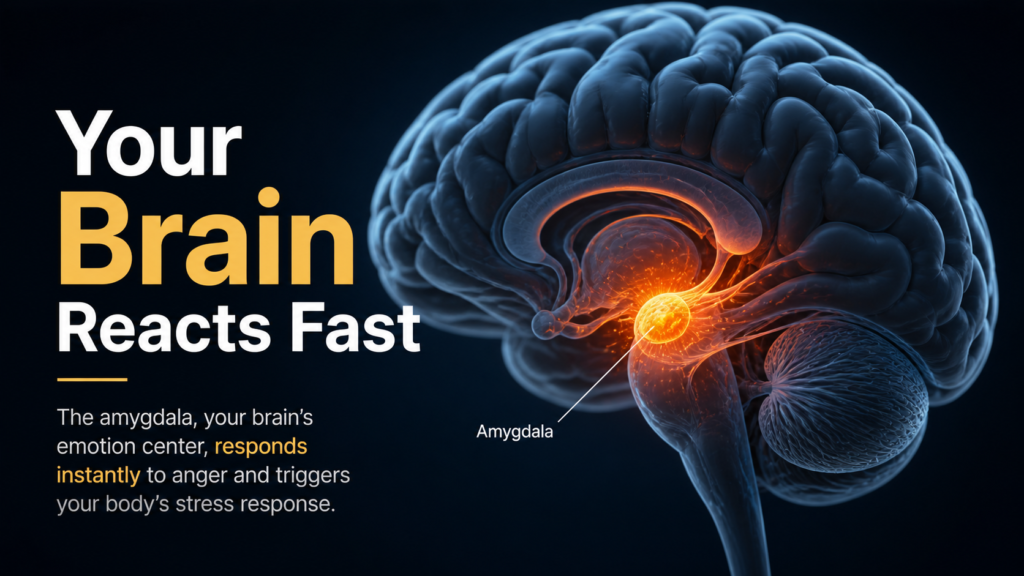
The emotional center of your brain, called the amygdala, reacts quickly. It can temporarily override logical thinking, which explains why people sometimes say or do things they regret when angry.
2. Your Heart Beats Faster
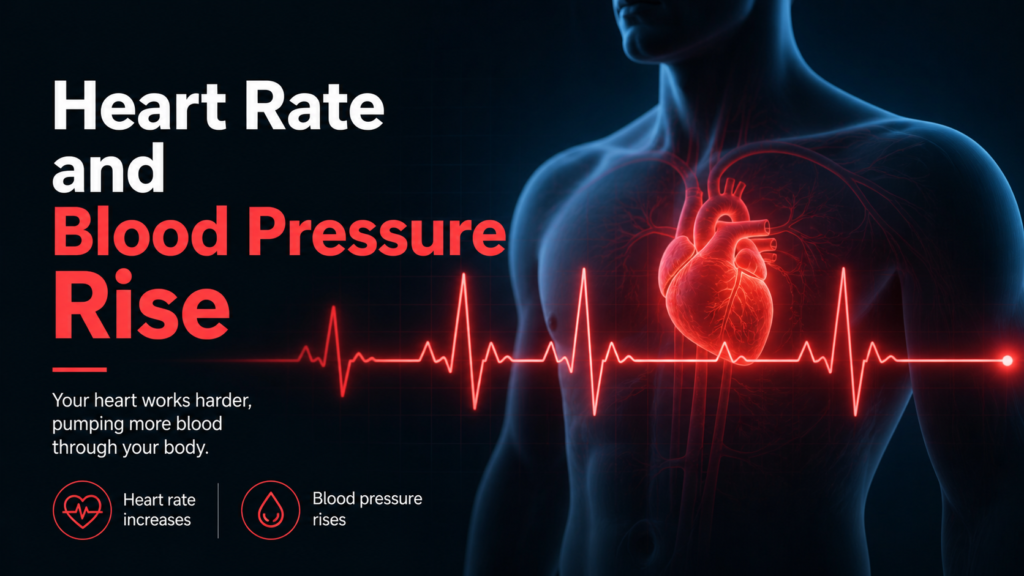
Your heart rate goes up, and your blood pressure rises. This pumps more blood to your muscles, getting your body ready for action.
3. Your Breathing Changes

Breathing becomes faster and shallower. Some people feel tightness in their chest or a sense of pressure.
4. Your Muscles Tighten

Your body tenses up, especially in the jaw, neck, and shoulders. Frequent tension can lead to headaches or body pain.
5. Stress Hormones Are Released
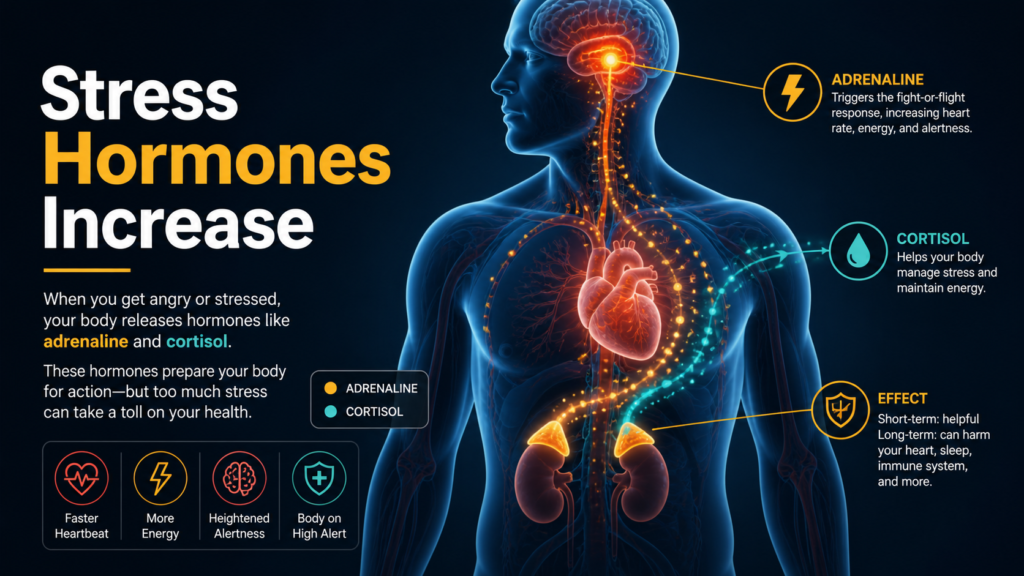
Hormones like adrenaline and cortisol flood your system. They increase your energy and alertness but also put stress on your body.
Is a Few Minutes of Anger Harmful?
Usually, short bursts of anger are not dangerous, especially if they pass quickly and don’t happen often.

Your body is built to handle temporary stress.
However, problems arise when anger becomes:
- Frequent
- Intense
- Difficult to control
Possible Effects of Repeated Anger
If anger occurs regularly, it can slowly impact your health.
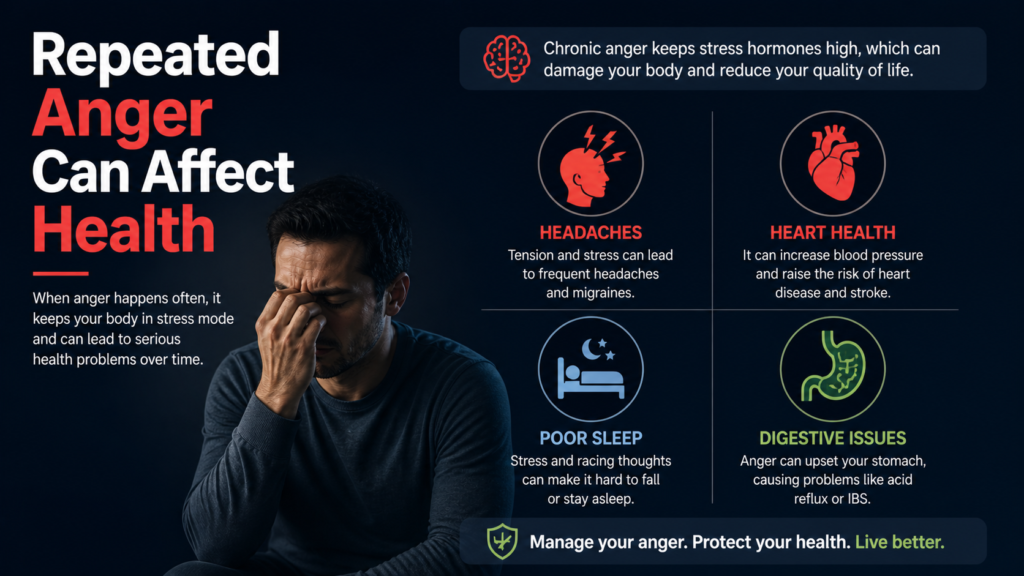
Short-Term Effects

- Headaches
- Dizziness
- Fatigue after calming down
- Chest discomfort
Long-Term Effects
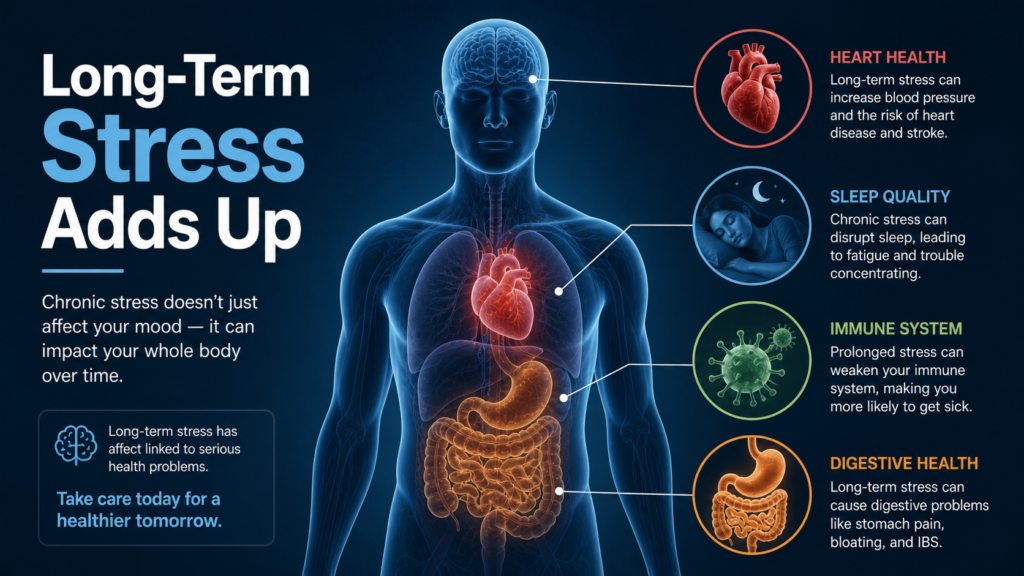
- High blood pressure
- Increased risk of heart problems
- Sleep disturbances
- Weakened immune system
- Digestive issues
Why Managing Anger Matters
Anger itself is not the enemy—it’s a natural response. What really matters is how you handle it.

Uncontrolled anger can strain both your body and your relationships. When managed well, it helps you understand your emotions and respond wisely.
Simple Ways to Calm Down Quickly
Here are some easy techniques to try when anger begins to rise:
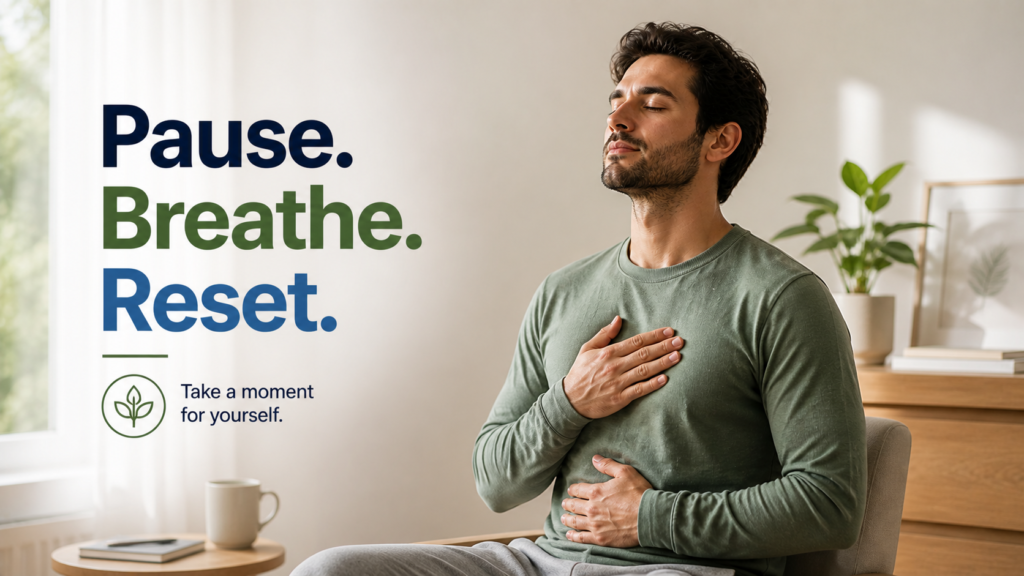
- Take slow, deep breaths (inhale for 4 seconds, exhale for 6 seconds)
- Pause before reacting
- Step away from the situation
- Drink water
- Give yourself time to cool down
Final Thoughts
A few minutes of anger usually won’t harm your body. But repeated anger can build up and affect your overall health.

Understanding how your body reacts is the first step toward better control. The next step is choosing how you respond.
In the end, it’s not anger itself—but how often and how intensely you experience it—that makes the real difference.