
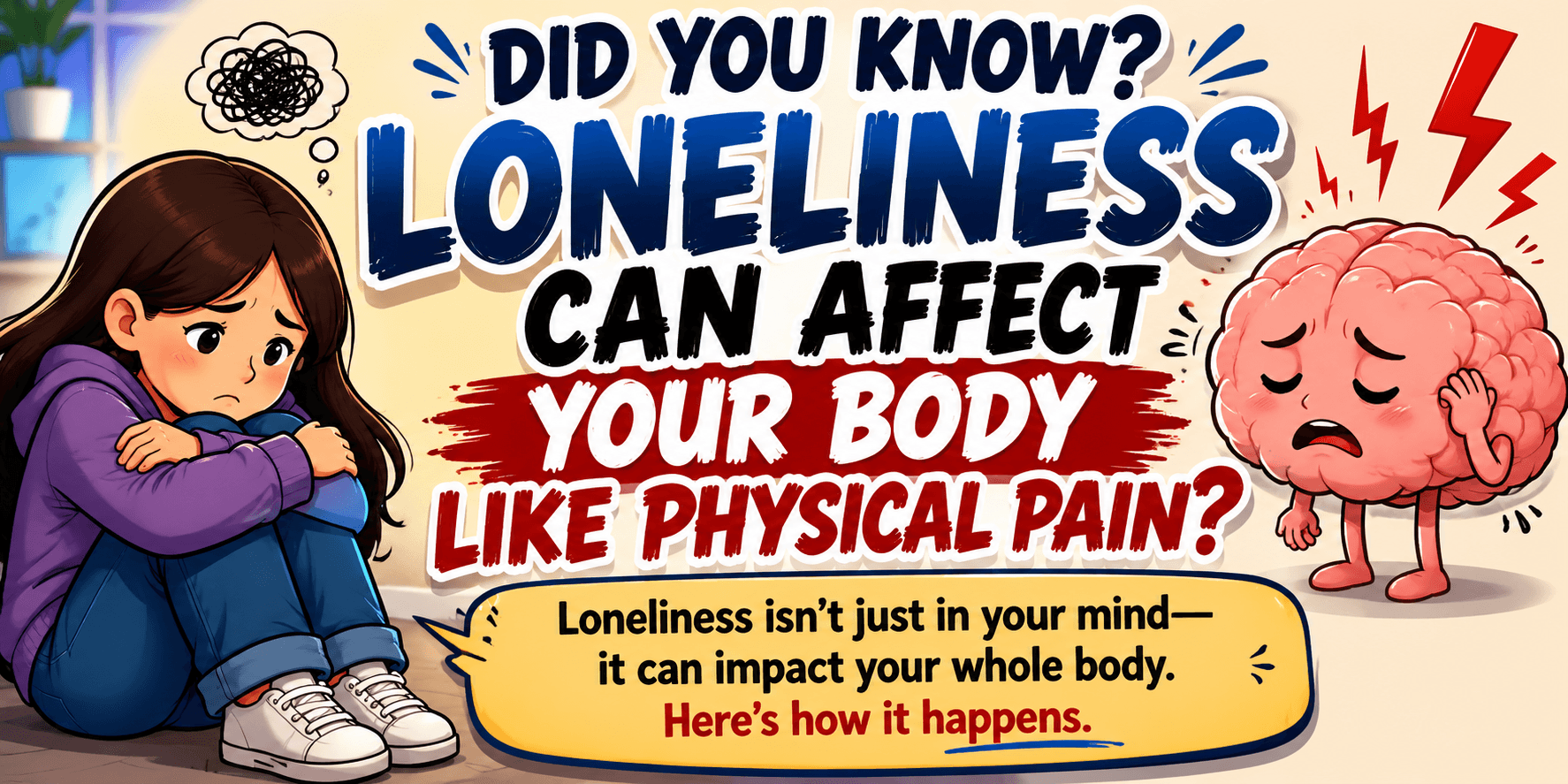
It Turns Out Loneliness Isn’t Just an Emotion
Most people think loneliness only affects your mood. However, research shows that social pain and physical pain share some of the same brain networks.
This overlap helps explain why rejection, isolation, or losing someone can feel surprisingly painful.
While emotional pain and physical injury aren’t the same, the brain processes them in overlapping ways.
Here are seven fascinating reasons why loneliness can impact both your mind and body.
1. Your Brain Responds to Social Pain
When you feel rejected or deeply lonely, some brain regions involved in processing physical pain become active.
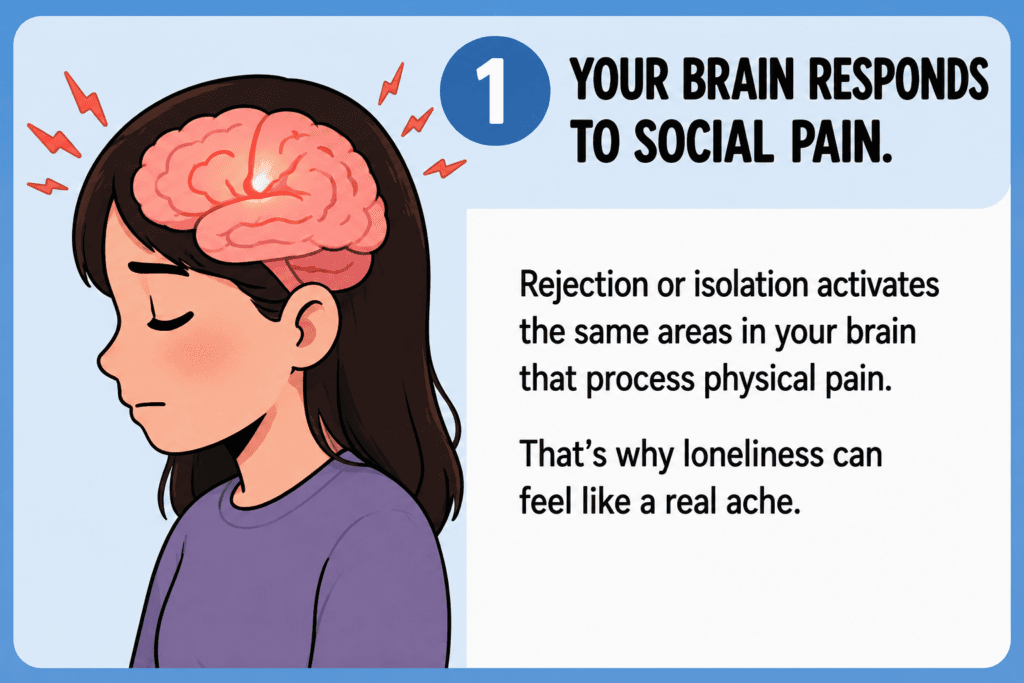
This may explain why heartbreak or isolation feels like a real ache rather than just sadness.
2. Stress Hormones Can Stay Elevated
Long-lasting loneliness can increase stress, causing your body to release hormones such as cortisol more often.
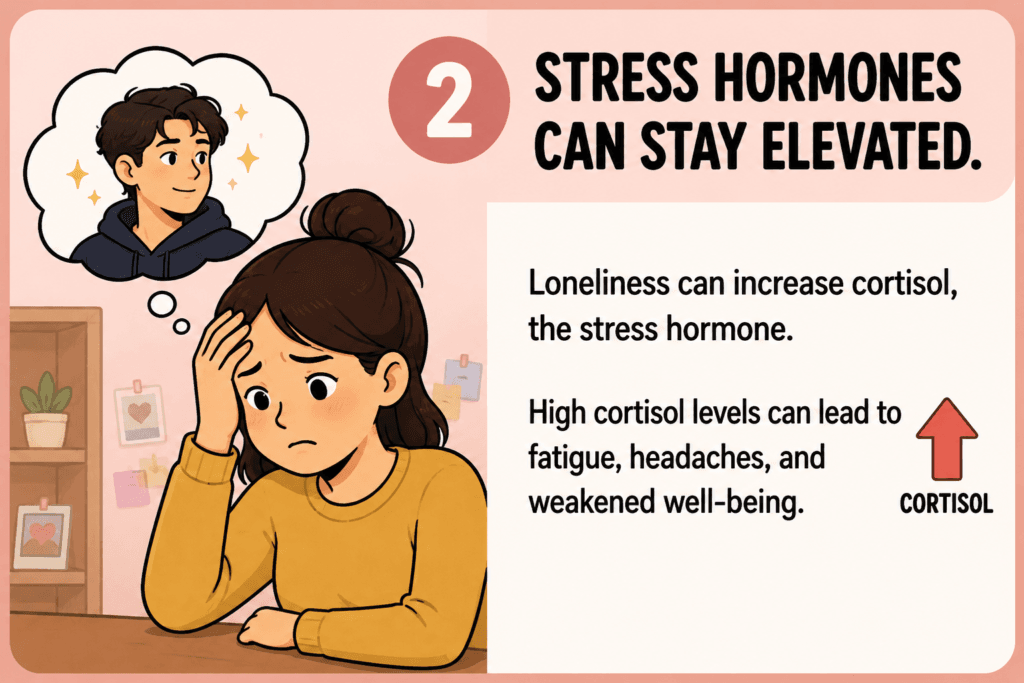
Over time, consistently high stress levels may lead to fatigue, headaches, difficulty concentrating, and poorer overall well-being.
3. Sleep Can Become Less Restful
People who feel lonely often report lighter, more disrupted sleep.
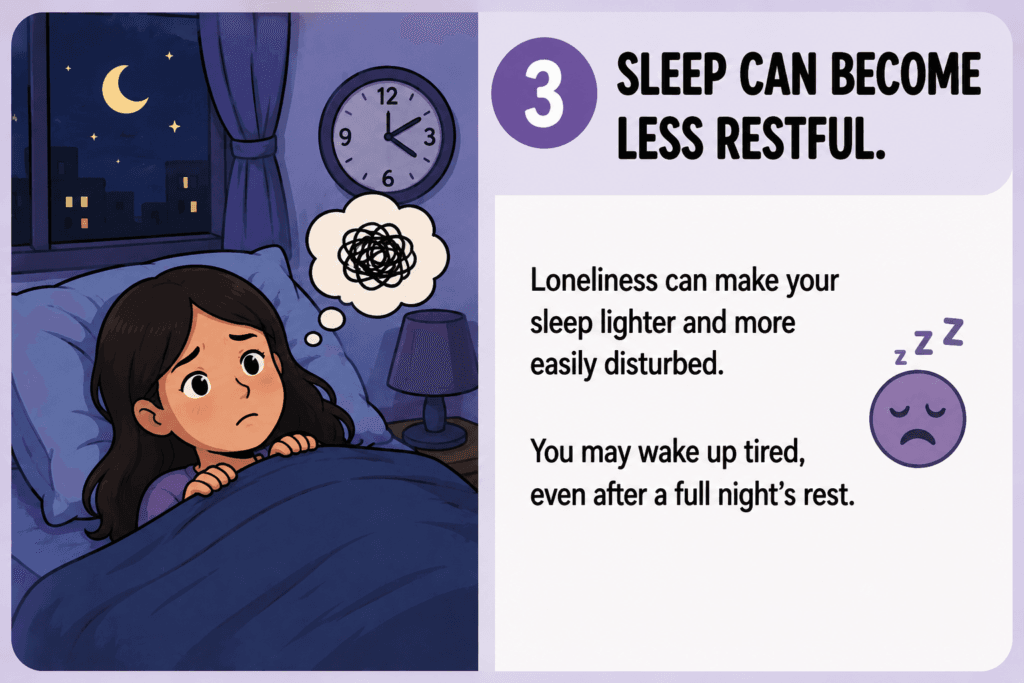
Even if you get enough hours in bed, you may wake up tired because your brain stays more alert than usual.
4. Your Immune System May Be Affected
Chronic loneliness has been linked to changes in immune function.
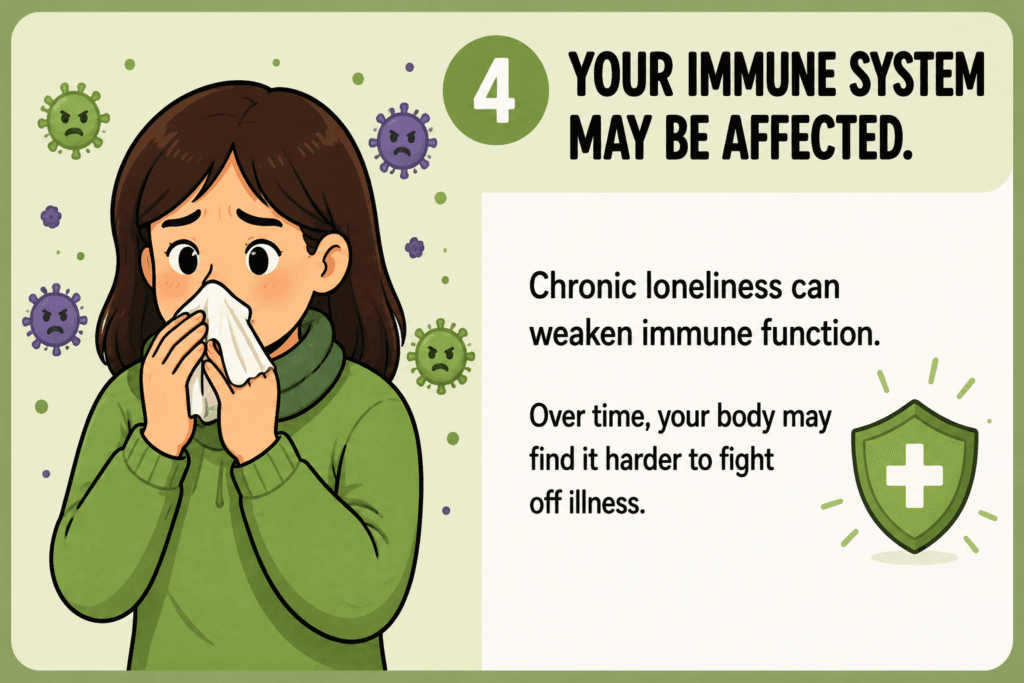
While loneliness alone doesn’t cause illness, the long-term stress associated with it may make it harder for your body to function optimally.
5. Everyday Aches Can Feel Worse
Emotional distress can affect how intensely you experience discomfort.
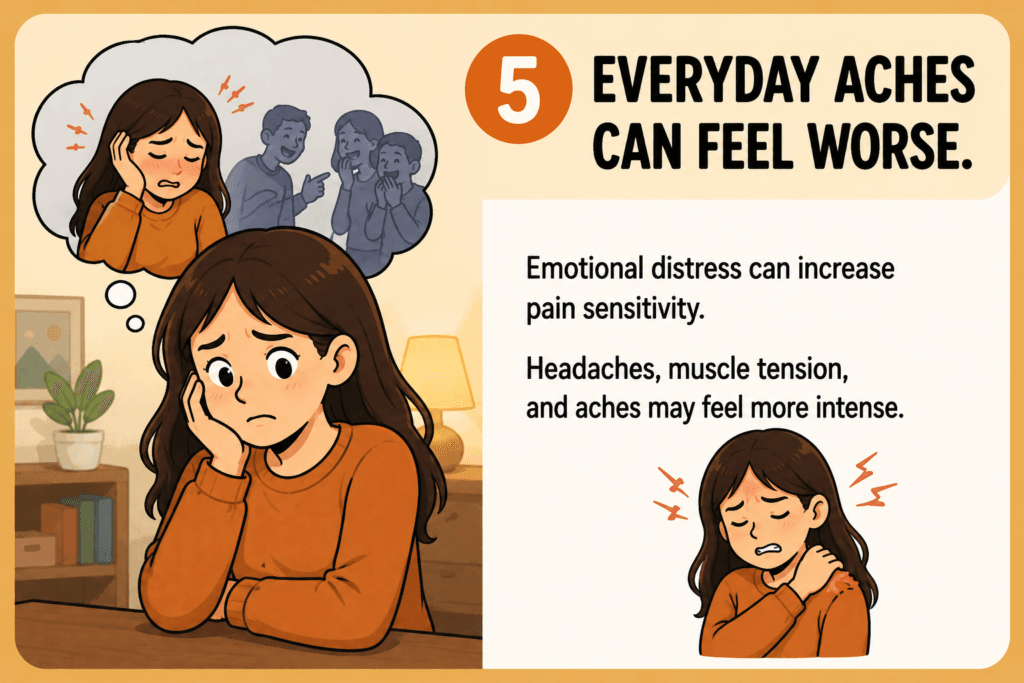
When feeling isolated, ordinary headaches, muscle tension, or minor aches may seem more noticeable due to emotional stress.
6. Your Motivation Can Drop
Loneliness often reduces motivation to exercise, socialize, eat well, or maintain healthy routines.
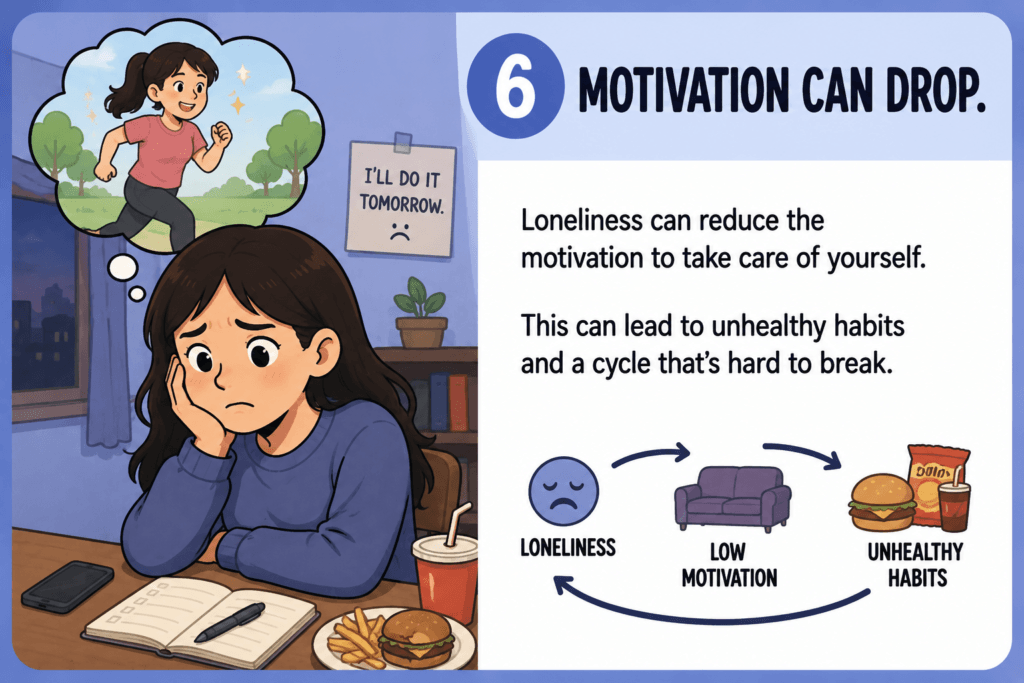
Unfortunately, these changes can create a cycle where poor habits increase feelings of loneliness even more.
7. Human Connection Is Part of Good Health
Humans are naturally social beings.
Supportive relationships help reduce stress, improve emotional resilience, and contribute to better overall health.
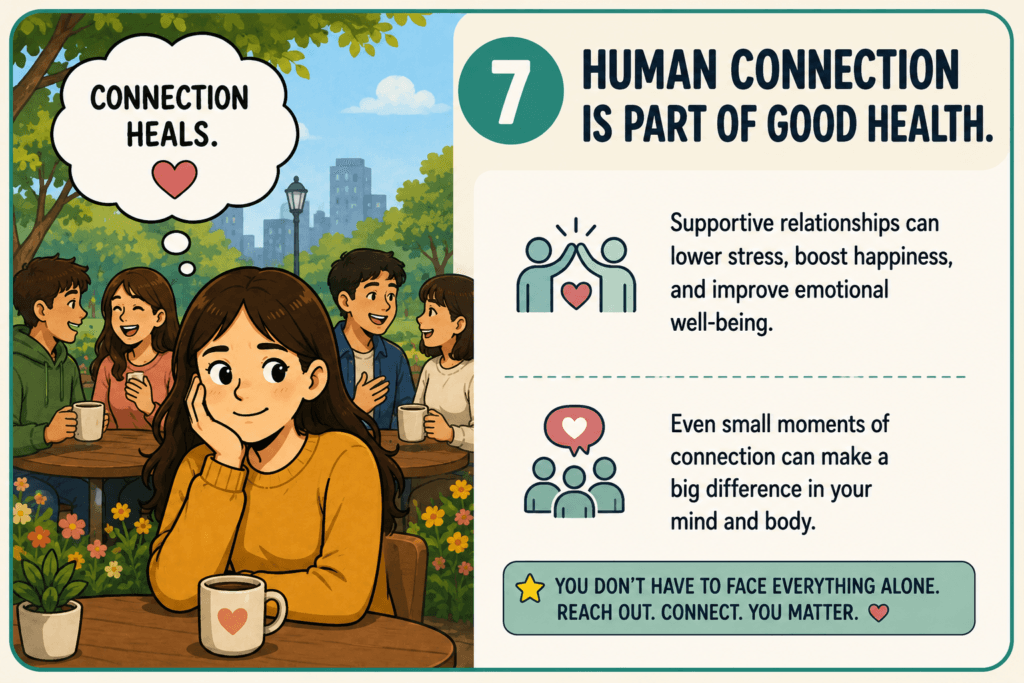
Even small moments of genuine connection—a conversation with a friend, time with family, or joining a community—can make a meaningful difference.
Final Thoughts
Loneliness is more than simply being alone.
It’s the feeling that meaningful connection is missing, and this feeling can influence both mind and body.
If you’ve been feeling lonely for a long time, remember you’re not alone in this experience.
Reaching out to someone you trust, reconnecting with supportive people, or speaking with a mental health professional can be an important first step.
Small, consistent connections often have a bigger impact than we realize.