
Every parent hopes their child will grow up respectful and responsible. Yet many families go through a stage where a son or daughter becomes rebellious. They may argue constantly, ignore rules, stay out late, or refuse to listen.
While this behavior is frustrating, reacting with anger or harsh punishment often makes things worse.
Rebellion isn’t always a sign that a child is “bad.” Often, it reflects a desire for independence, emotional struggles, peer influence, or difficulty expressing feelings.
The goal isn’t to win every argument—it’s to guide your child toward better choices while protecting your relationship.
1. Stay Calm Before You Respond
When emotions run high, it’s easy to yell or say things you’ll regret later.
Instead, take a moment to calm yourself before responding.
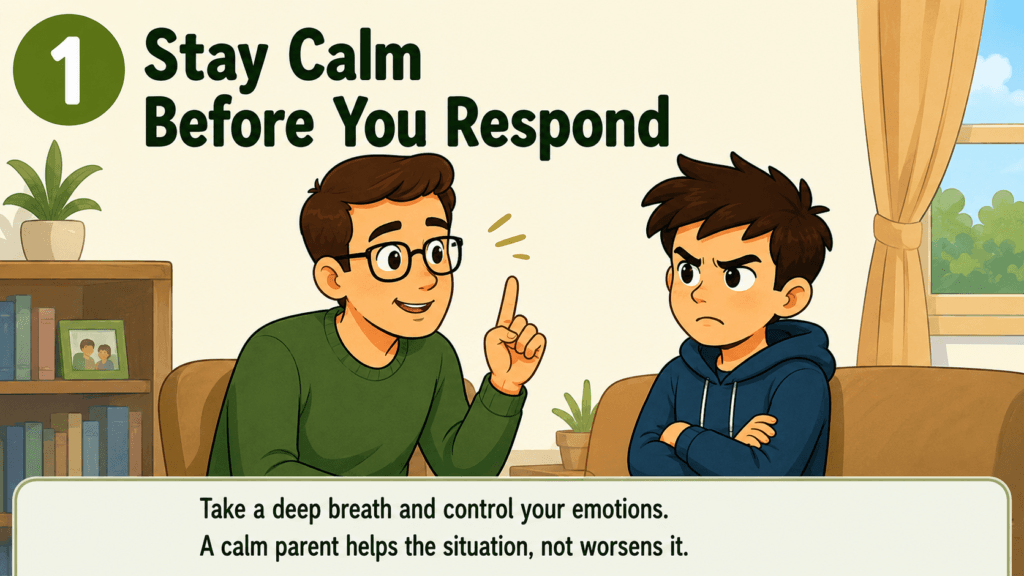
Children listen better when they feel safe rather than threatened.
Staying calm shows emotional maturity and sets the tone for a more productive conversation.
2. Listen Before You Lecture
Many rebellious children feel misunderstood.
Before giving advice or punishment, ask questions and genuinely listen to their side.
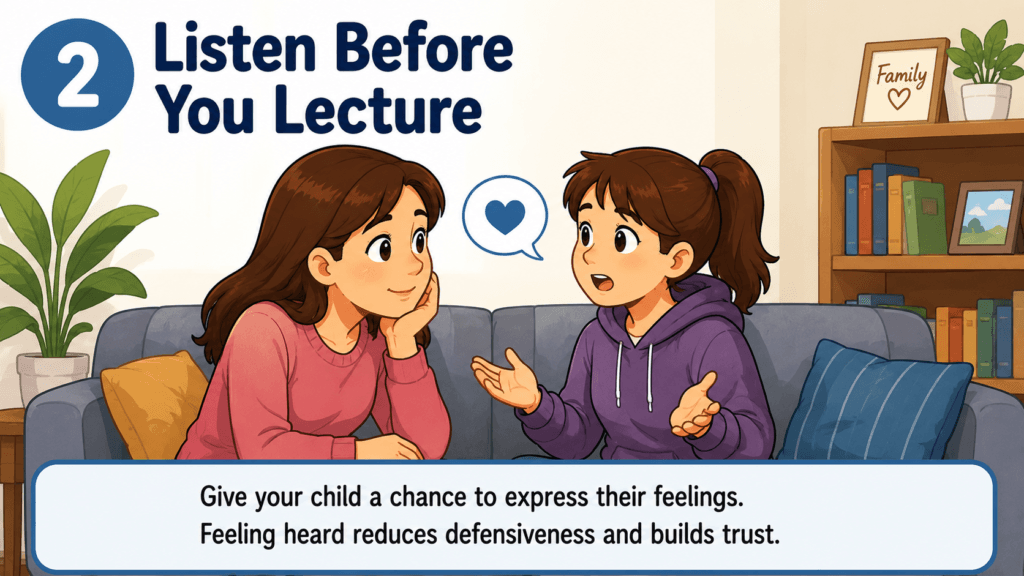
Listening doesn’t mean you agree with their behavior—it shows respect.
Feeling heard can lower defensiveness and make them more open to your perspective.
3. Set Clear and Consistent Boundaries
Rules are important but must be fair and consistently enforced.
Explain expectations clearly and let your child know the consequences of breaking them.
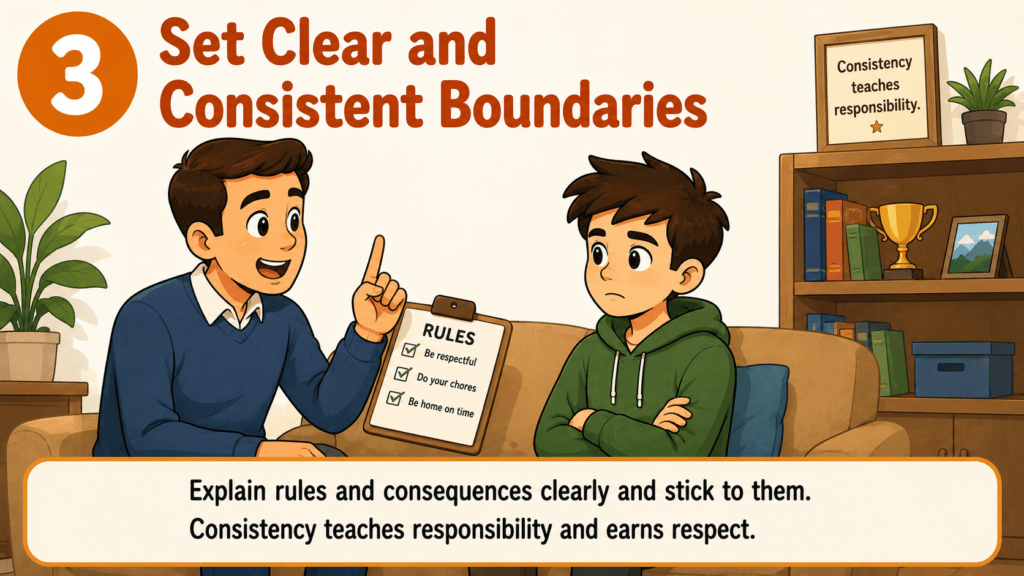
Avoid changing rules based on your mood—consistency builds trust and accountability.
4. Focus on the Behavior, Not Their Character
Instead of saying, “You’re a bad kid,” say, “That decision wasn’t a good choice.”
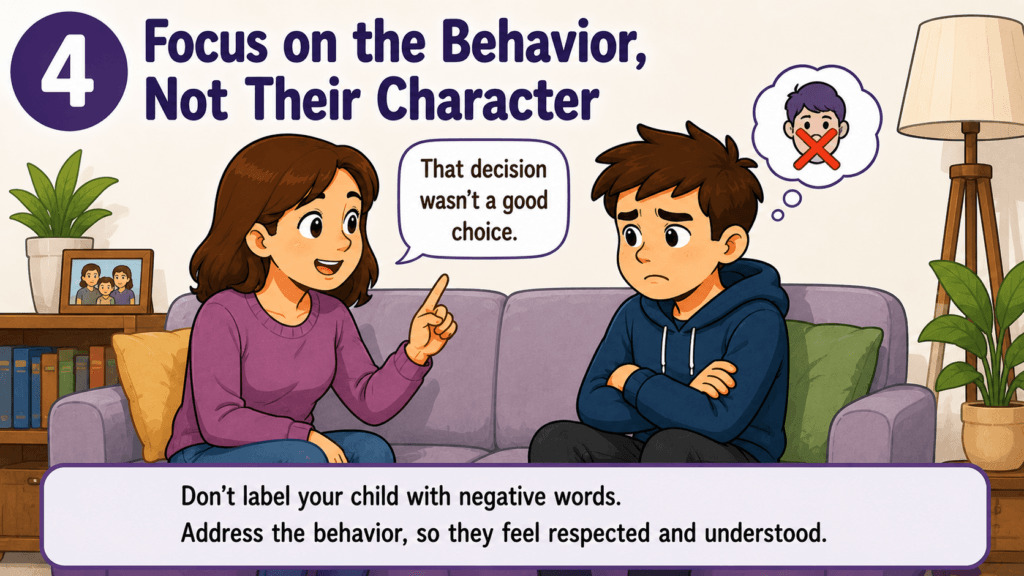
Separating behavior from the person protects your child’s self-esteem.
It also makes it clear that certain actions are unacceptable.
5. Spend Quality Time Together
A rebellious child may act like they don’t want your attention, but many still crave connection.
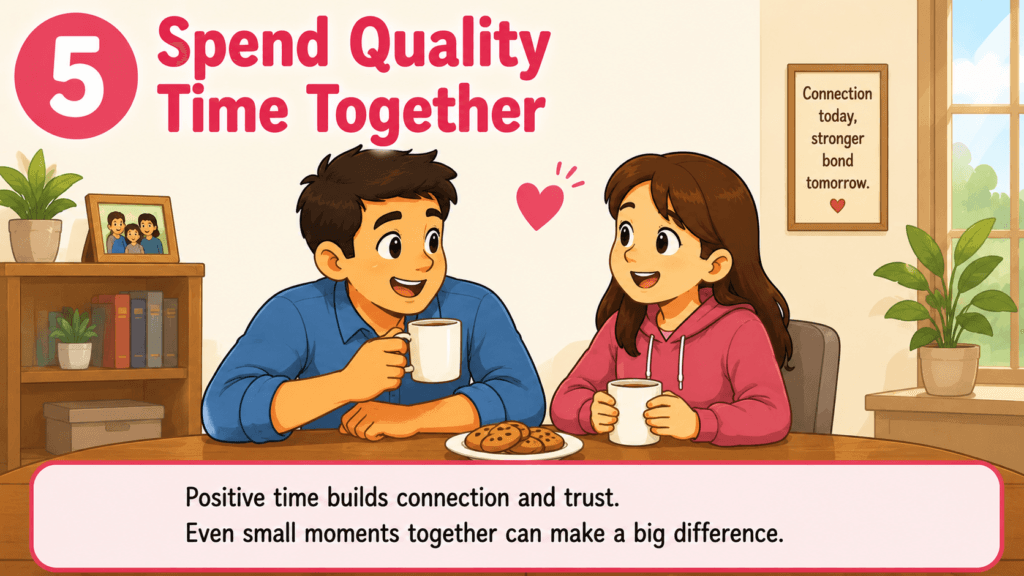
Spend time doing simple activities together such as:
- Sharing a meal
- Taking a walk
- Talking during a drive
Positive moments outside conflict help rebuild trust.
6. Let Natural Consequences Teach Responsibility
Parents often try to rescue children from every mistake.
While guidance is important, allowing them to experience reasonable consequences teaches valuable lessons.
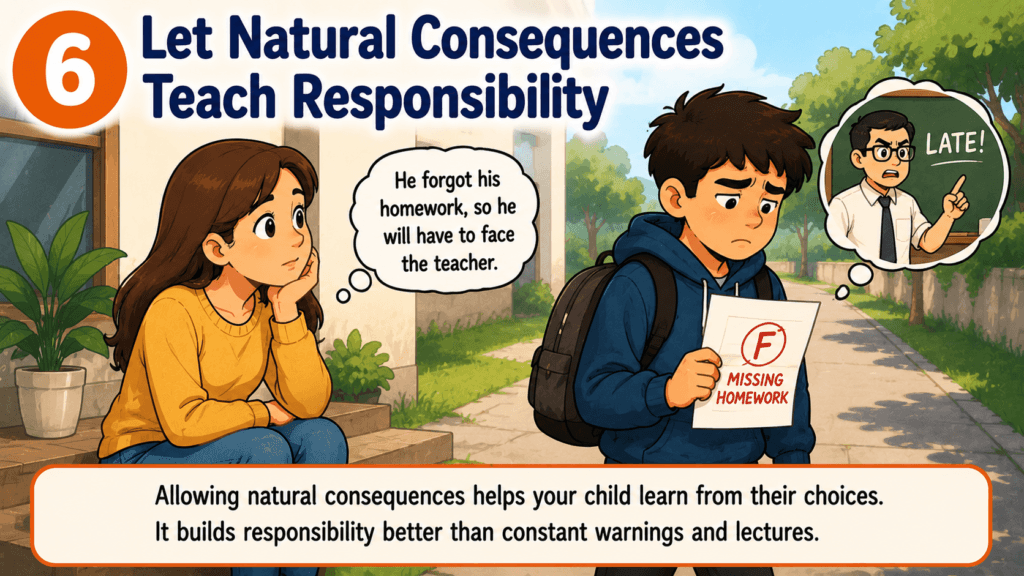
Learning from their own decisions often has a stronger impact than repeated lectures.
7. Know When to Ask for Help
If your child’s behavior becomes dangerous, violent, involves substance abuse, or seriously affects school or family life, seek support from a qualified professional.
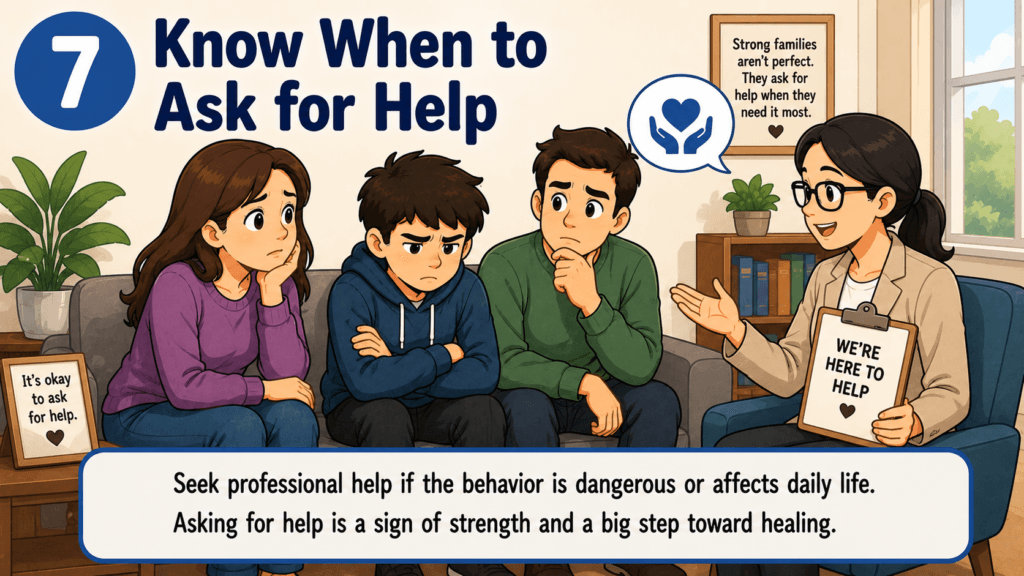
Asking for help is not a sign of failure.
It’s a proactive step toward helping your child and strengthening your family.
Final Thoughts
Raising a rebellious son or daughter is one of the hardest challenges a parent can face.
There is no quick fix, but patience, consistency, empathy, and open communication can make a meaningful difference over time.
Remember, your goal isn’t simply to stop the rebellion.
It’s to help your child become a responsible, confident, and emotionally healthy adult while preserving the relationship that matters most.