
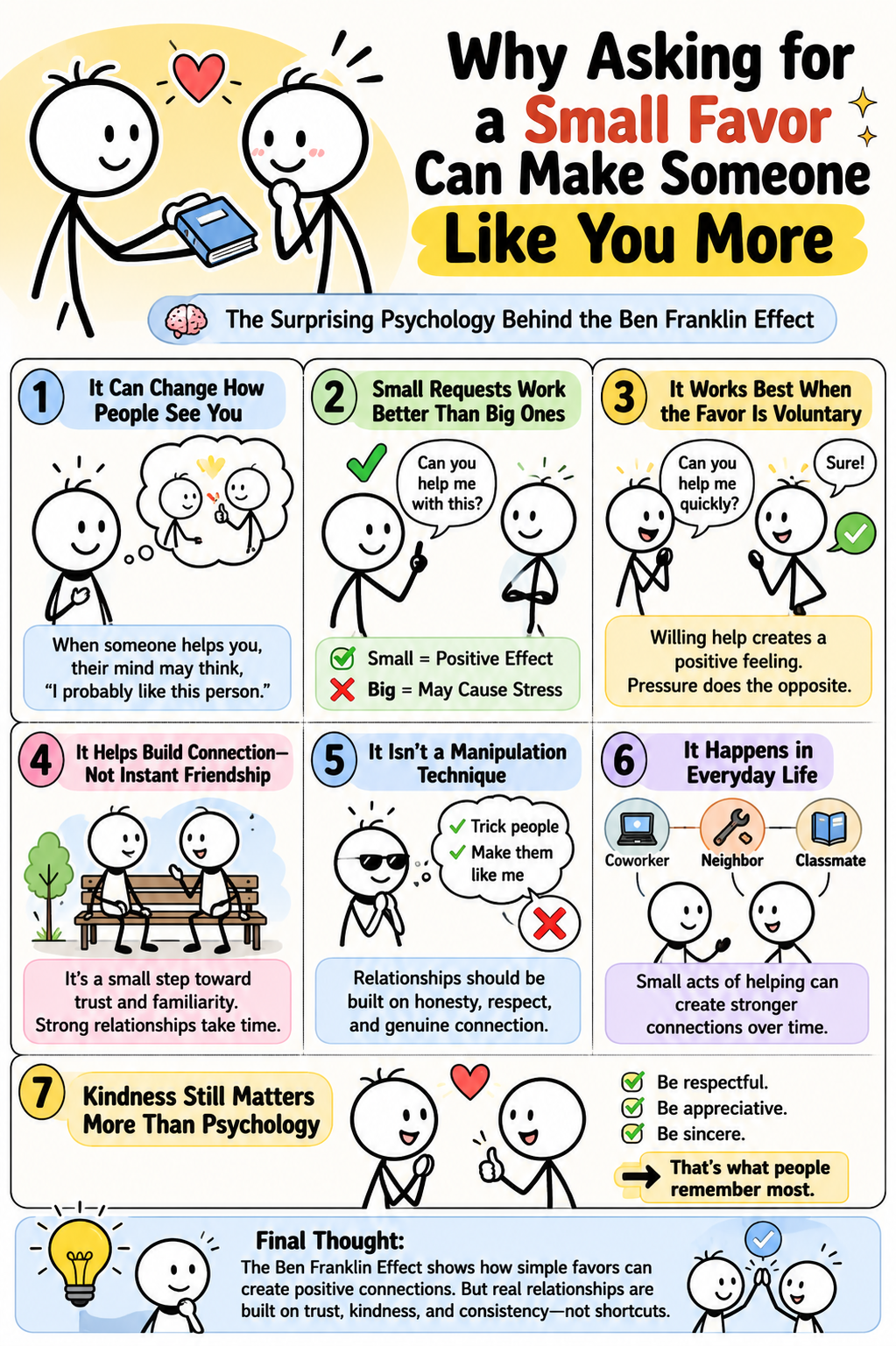
Have you ever noticed that sometimes a person becomes friendlier after doing you a small favor? It may seem backward. Many assume we help those we already like, but psychology suggests the opposite can sometimes happen too.
This idea is known as the Ben Franklin Effect. It suggests that when someone willingly does a small favor for another person, they may begin to see that person more positively.
While it isn’t a magic trick or a guarantee, research shows it can influence how people think about a relationship.
What Is the Ben Franklin Effect?
The Ben Franklin Effect is based on the idea that people like their actions to match their beliefs. If someone chooses to help you, their mind may unconsciously think, “I helped this person, so I probably like them.”
Instead of changing their behavior to match their feelings, their feelings may shift to match what they already did.
7 Things to Know About the Ben Franklin Effect
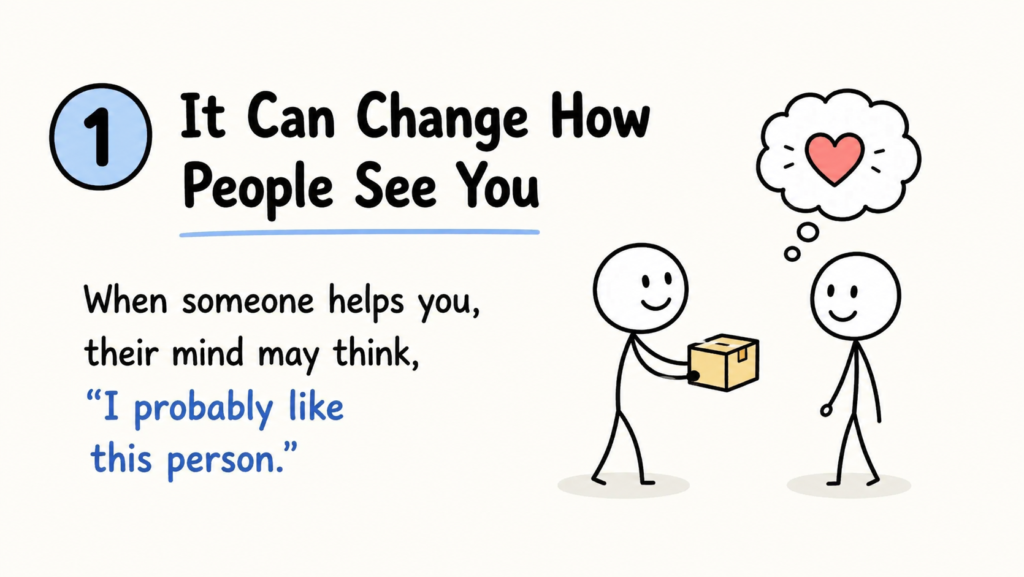
1. It Can Change How People See You
When someone does you a favor, their perception of you can improve. Their mind aligns their feelings with their helpful action.
2. Small Requests Work Better Than Big Ones
The key word is small.
- Asking to hold a door
- Recommending a book
- Answering a quick question
These are more effective than large requests like money or major commitments.
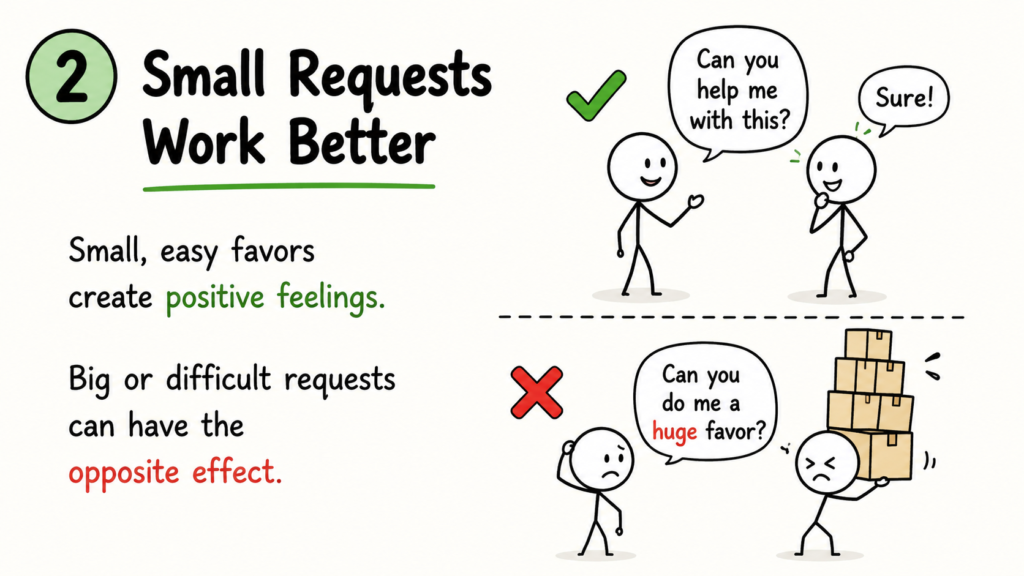
Reasonable favors create positive experiences, while large or inconvenient requests can harm relationships.
3. It Works Best When the Favor Is Voluntary
People must choose to help willingly.
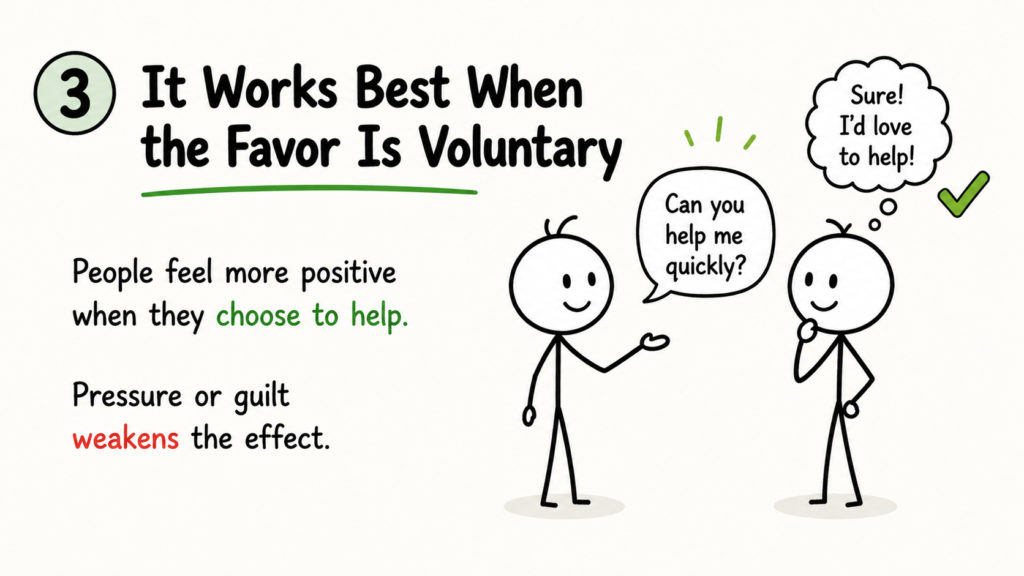
If they feel pressured or forced, the psychological benefit weakens. Genuine willingness matters more than obligation.
4. It Helps Build Connection—Not Instant Friendship
Doing a small favor won’t instantly make someone your best friend.
Instead, it serves as a small step toward trust and familiarity.
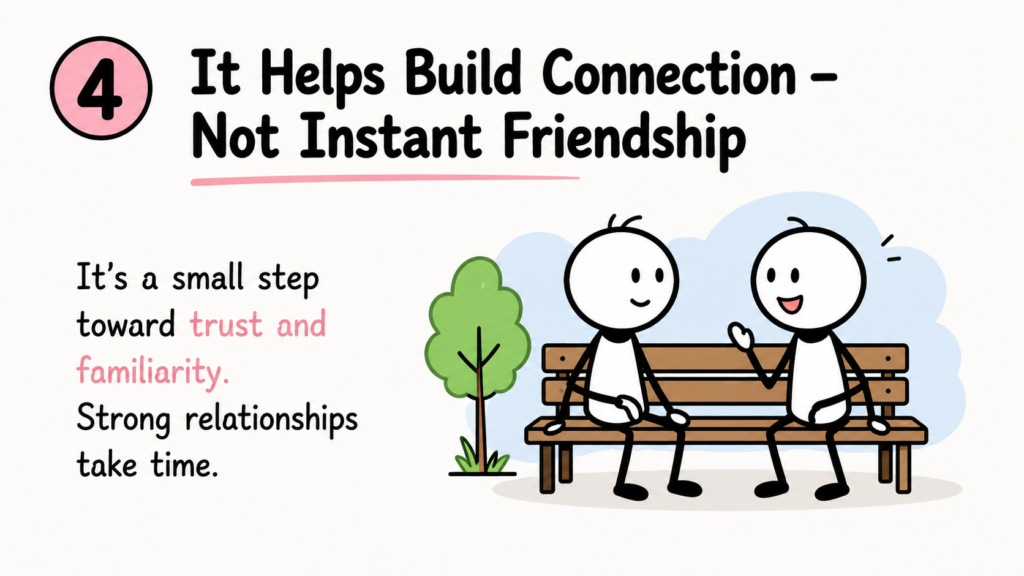
Strong relationships still require kindness, honesty, respect, and consistent positive interactions over time.
5. It Isn’t a Manipulation Technique
Some describe the Ben Franklin Effect as a way to “make people like you.”
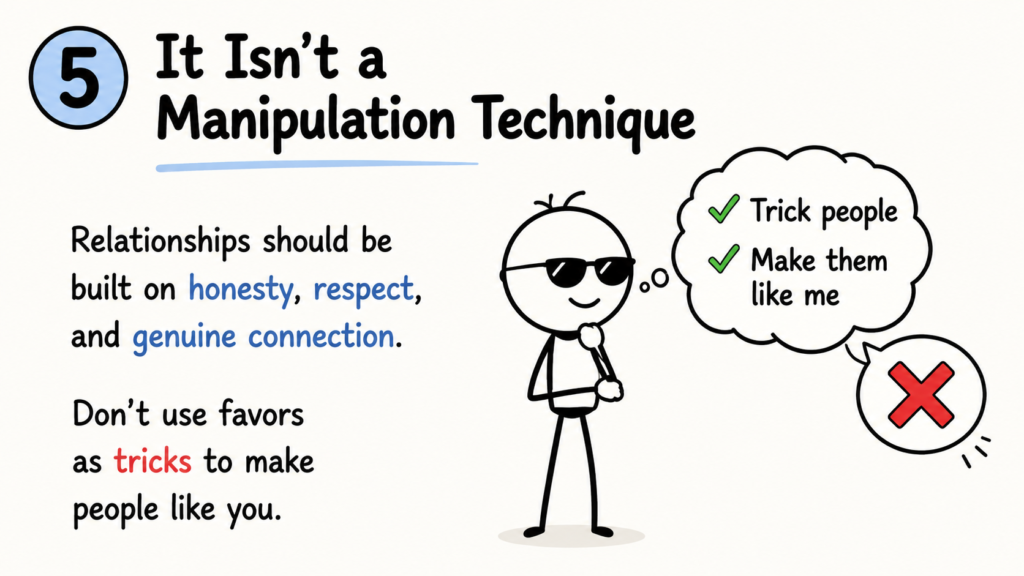
This oversimplifies the idea.
Psychology explains behavior patterns but doesn’t guarantee results. Relationships should never be built on manipulation.
The healthiest approach is to ask for help only when you genuinely need it.
6. It Happens in Everyday Life
You may have experienced this effect without realizing it.
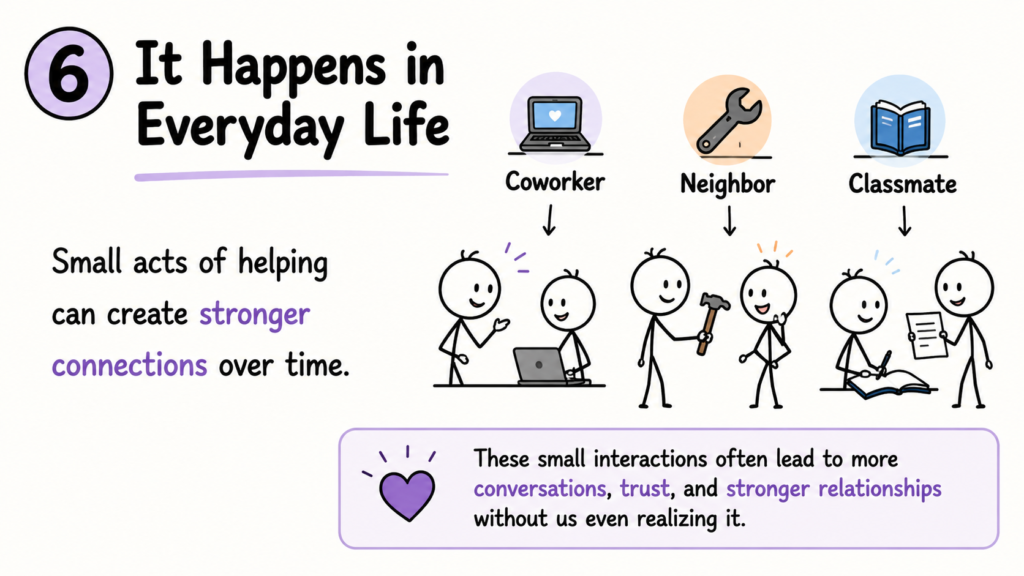
- A coworker helps solve a problem
- A neighbor lends a tool
- A classmate explains a lesson
These small interactions create opportunities for future conversations and stronger social connections.
7. Kindness Still Matters More Than Psychology
Knowing about the Ben Franklin Effect doesn’t replace being a good person.
People enjoy your company more when you are respectful, appreciative, and considerate.
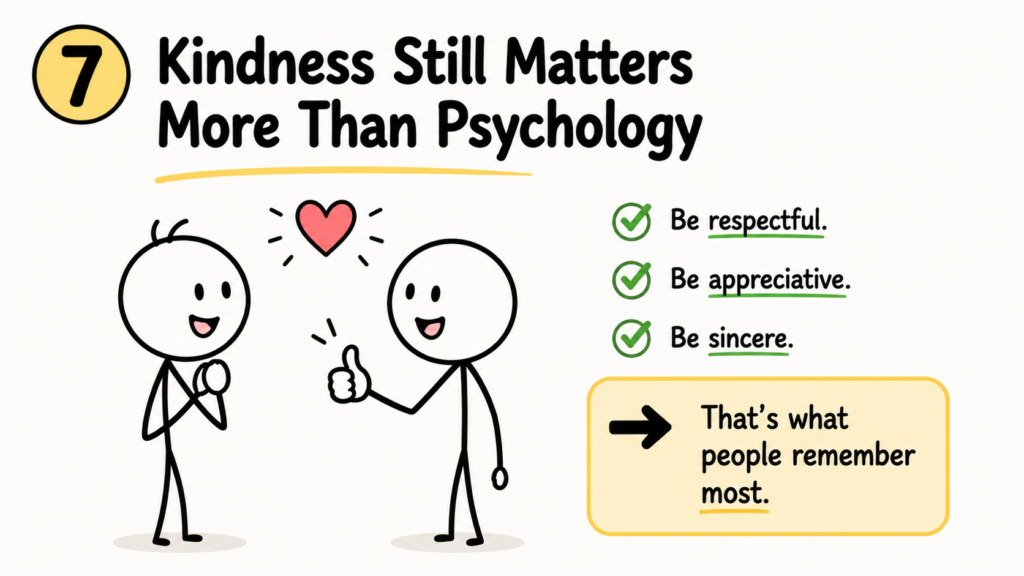
Expressing sincere gratitude is often more powerful than trying to use psychology to influence someone.
Final Thoughts
The Ben Franklin Effect reminds us that human relationships can be surprisingly complex.
Sometimes, a simple favor can become the first step toward a stronger connection.
But it isn’t a shortcut to friendship or love.
Think of it as one small psychological principle that helps explain how relationships grow through everyday acts of kindness and cooperation.