
🤔🤔🤔
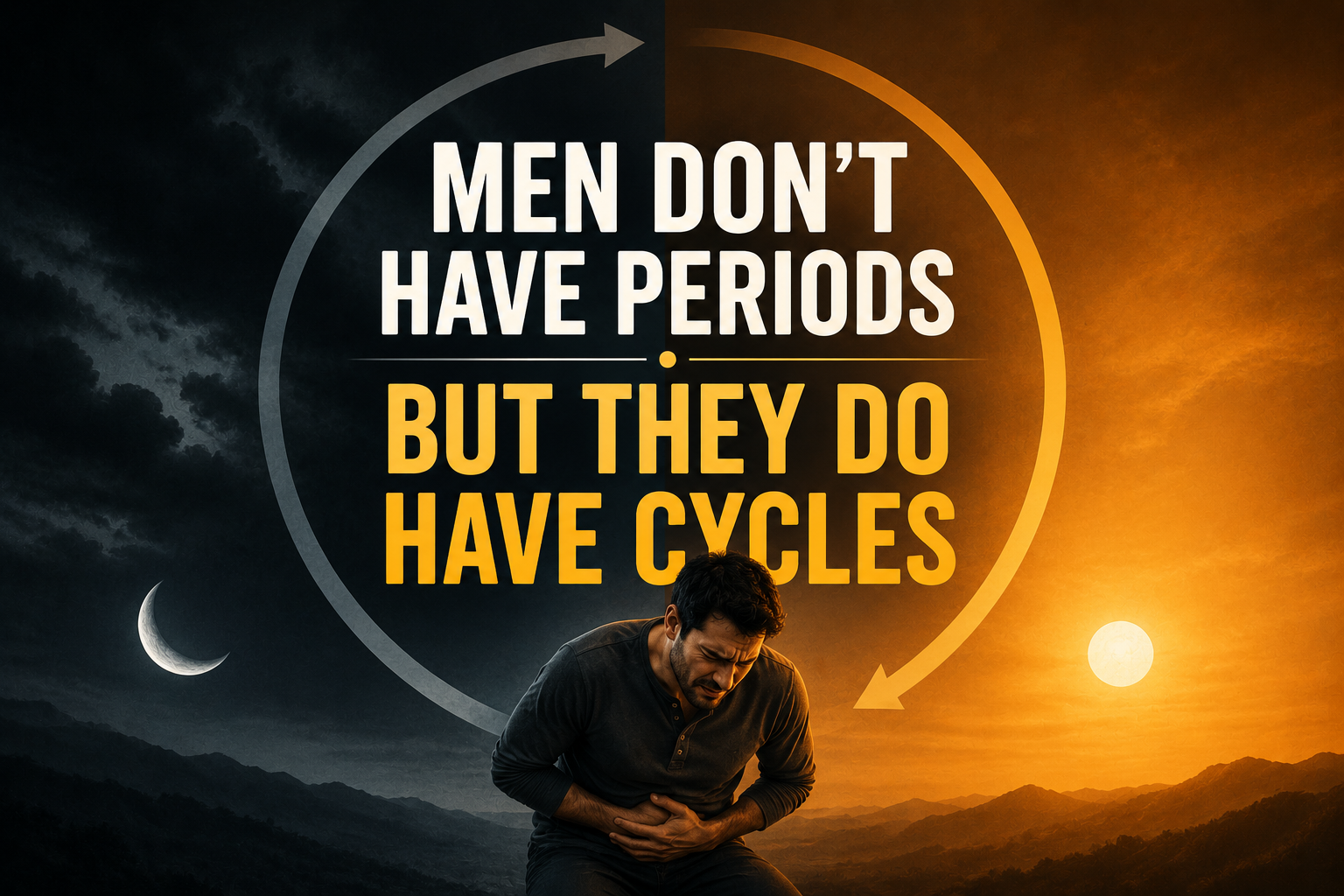
Most people grow up hearing about women’s emotional cycles, mood swings, and hormonal changes. But what many people never talk about is that men also go through emotional patterns — just in different ways.
Not every man reacts the same, and these “cycles” are not medical periods. Psychology shows that stress, pressure, confidence, emotional connection, and mental exhaustion can strongly affect a man’s behavior, mood, and relationships.

Sometimes what looks like anger, silence, distance, or coldness is actually emotional overload hiding underneath.
The Pressure Cycle
Many men are taught to carry problems silently.
Bills. Work. Family expectations. Responsibility. Fear of failure.
Instead of talking about stress openly, some men try to suppress it and keep functioning normally. On the outside, they may look calm or “fine,” but internally the pressure slowly builds.
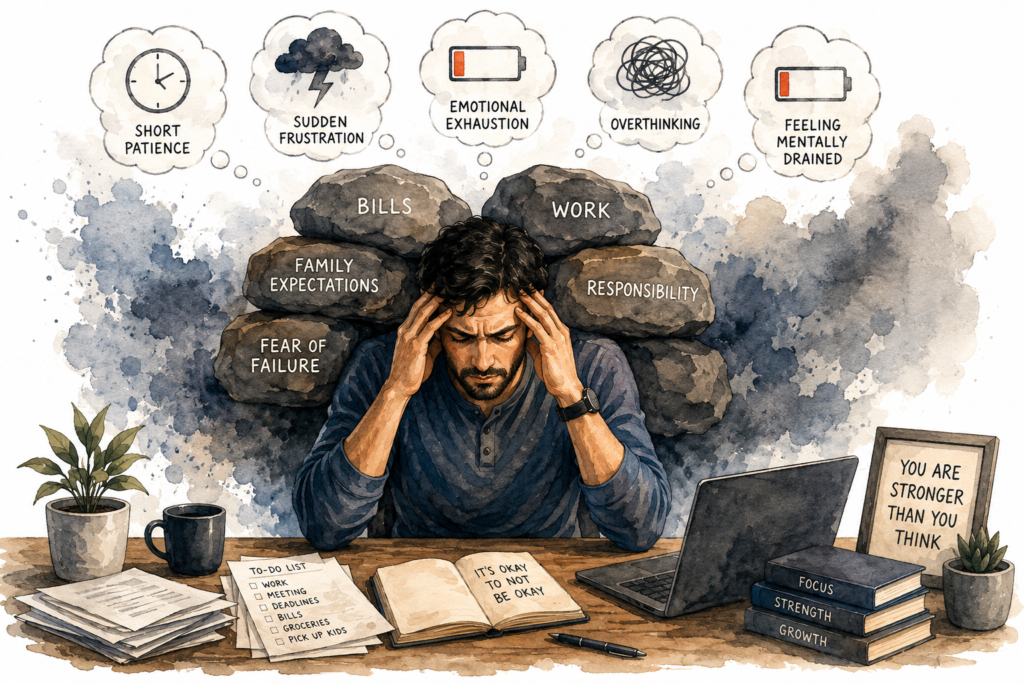
Over time, even small things can start irritating them:
- Short patience
- Sudden frustration
- Emotional exhaustion
- Overthinking
- Feeling mentally drained
Psychologists often describe this as emotional suppression. When stress is ignored too long, it eventually leaks out through mood, irritability, or burnout.
The problem is that many men were raised to believe vulnerability is weakness, so they suffer quietly instead of asking for help.
The Withdrawal Cycle
When overwhelmed, some men become quiet and emotionally distant.
This does not always mean they stopped loving someone.
Sometimes silence is how they try to regain control of their emotions before they say something hurtful or embarrassing.
Research on stress responses shows that some people react to emotional overload by withdrawing inward rather than expressing themselves outwardly.
This can look like:
- Taking longer to reply
- Wanting space
- Avoiding arguments
- Spending more time alone
- Becoming emotionally unavailable temporarily
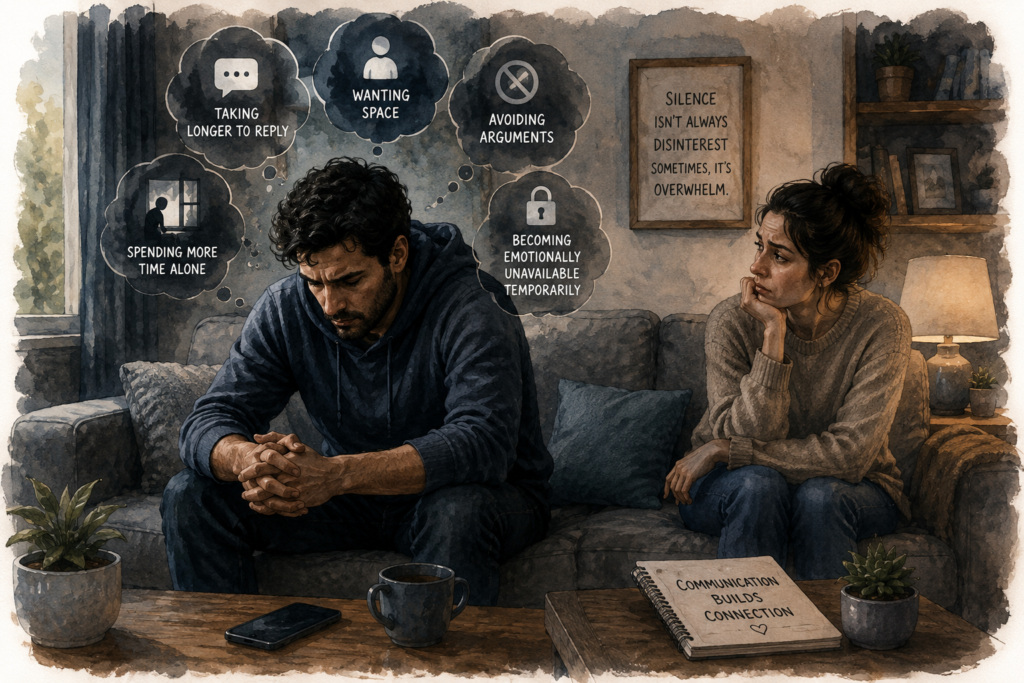
To partners, this can feel confusing or painful. But often, the man himself may not fully understand what he’s feeling either.
Healthy communication matters here. Silence should not become permanent emotional neglect, but temporary withdrawal during stress is more common than many realize.
The Confidence Cycle
A man’s emotional energy often changes depending on how he sees himself.
When he feels respected, appreciated, trusted, and valued, his confidence usually grows. He may become:
- More affectionate
- More motivated
- More emotionally open
- More protective
- More present in the relationship
But constant criticism, humiliation, or feeling “never enough” can slowly damage emotional confidence.
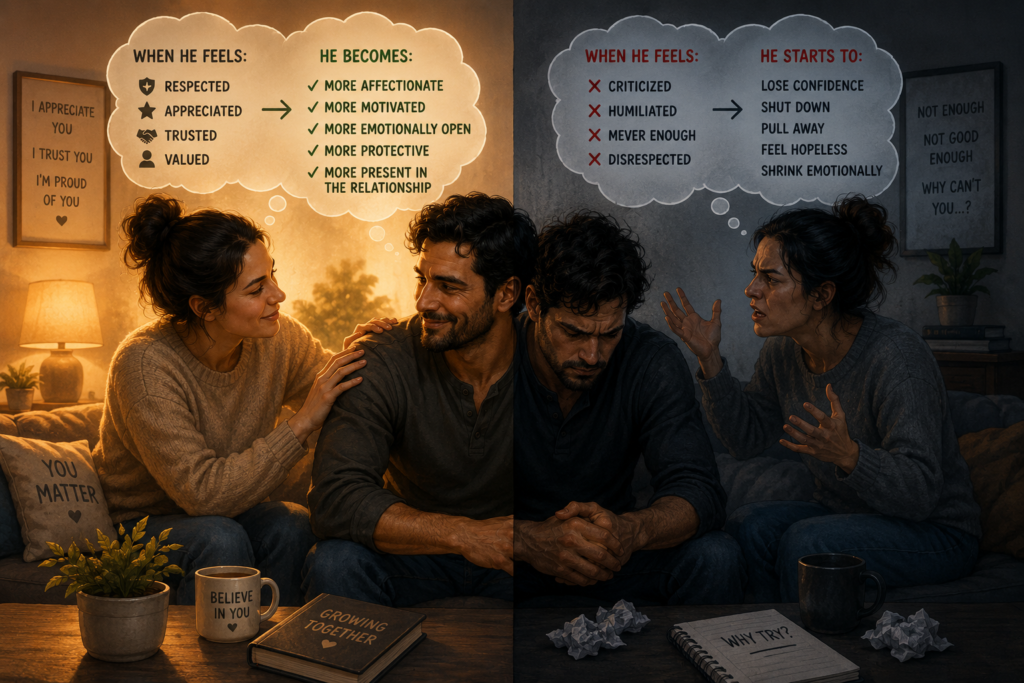
Over time, some men begin shutting down emotionally because they feel they cannot meet expectations no matter what they do.
This does not mean men only want praise. Everyone needs accountability and growth.
But psychology consistently shows that encouragement and emotional safety help people thrive more than constant negativity.
The Intimacy Cycle
For many men, intimacy is not only physical.
It is emotional reassurance.
Simple affection, attention, closeness, appreciation, and emotional connection can deeply affect how emotionally secure a man feels in a relationship.
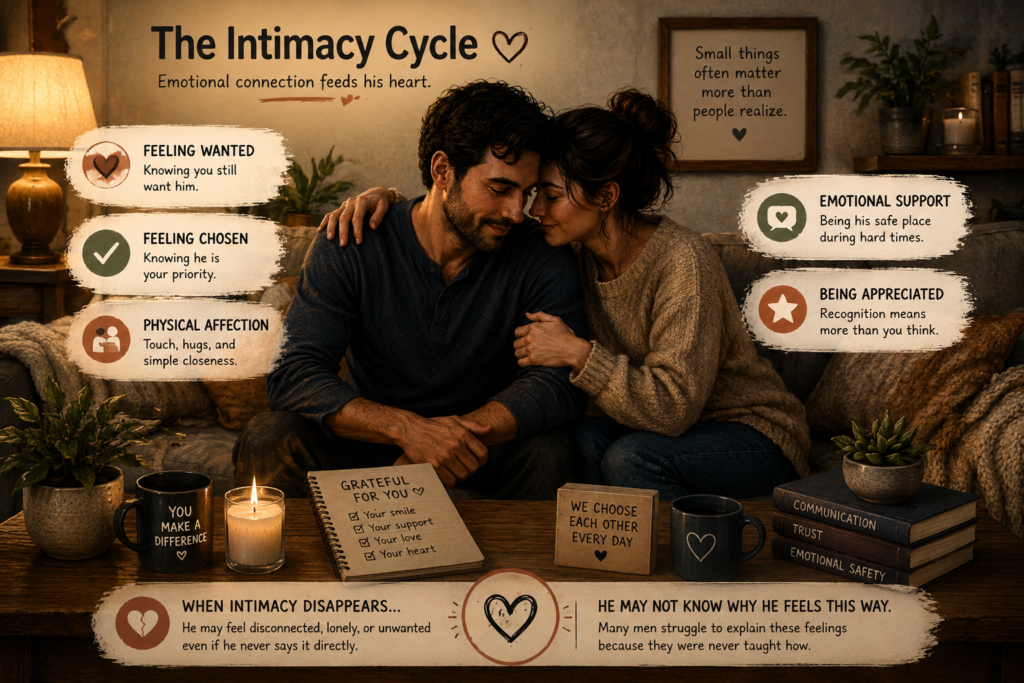
Small things often matter more than people realize:
- Feeling wanted
- Feeling chosen
- Physical affection
- Emotional support
- Being appreciated during hard times
When emotional intimacy disappears for long periods, some men begin feeling emotionally disconnected, lonely, or unwanted even if they never say it directly.
Many struggle to explain these feelings because they were never taught how.
The Truth Most People Miss
Men are often expected to stay strong no matter what.
Many grow up hearing:
- “Man up.”
- “Stop being emotional.”
- “Handle it yourself.”
Because of this, some men learn to hide stress instead of processing it in healthy ways.
That hidden emotional weight can eventually show up as:
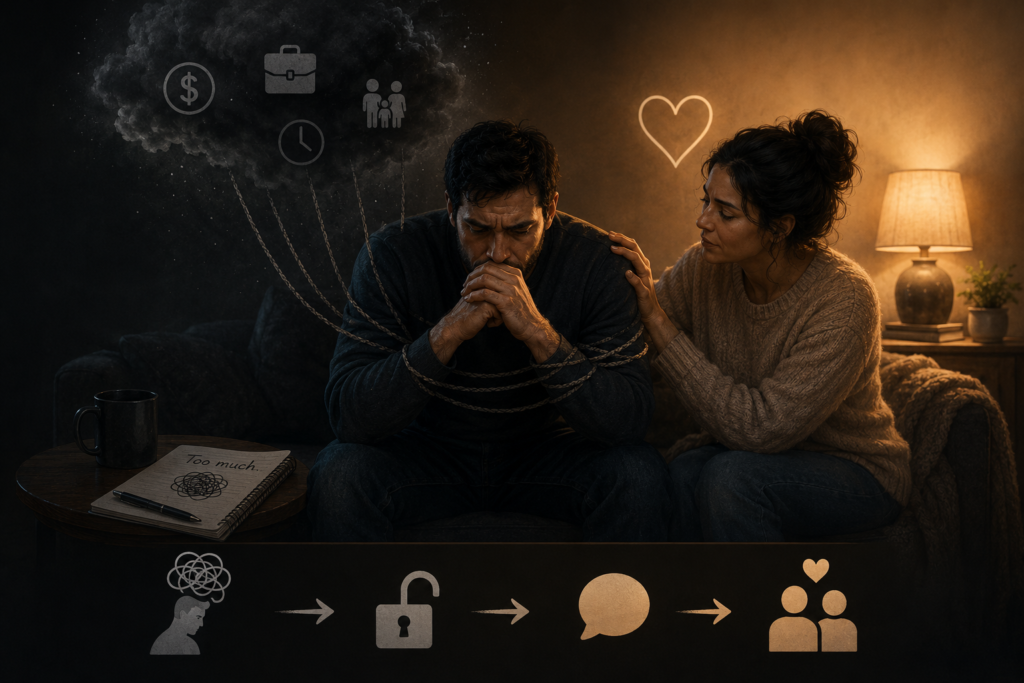
- Anger
- Withdrawal
- Burnout
- Emotional numbness
- Relationship problems
- Mental exhaustion
This does not excuse toxic behavior, cruelty, or emotional neglect. Everyone is responsible for how they treat others.
But understanding emotional patterns can help people communicate better instead of assuming silence always means lack of love.
Sometimes the strongest-looking people are simply the ones suffering quietly.
Final Thoughts
Men may not experience periods the way women do, but many still go through emotional cycles shaped by stress, pressure, confidence, emotional connection, and mental fatigue.
The difference is that society often teaches them to hide it.
A healthier relationship starts when both people stop treating emotions like weakness and start treating communication like strength.