
Truth, Myths, and What Relationships Really Teach Us
Social media is full of bold claims about women, dating, and relationships. Videos like these often sound confident and “deep,” but many mix real psychology with exaggeration, stereotypes, or personal opinions.
Instead of treating them as absolute truths, it’s better to look at them with balance.
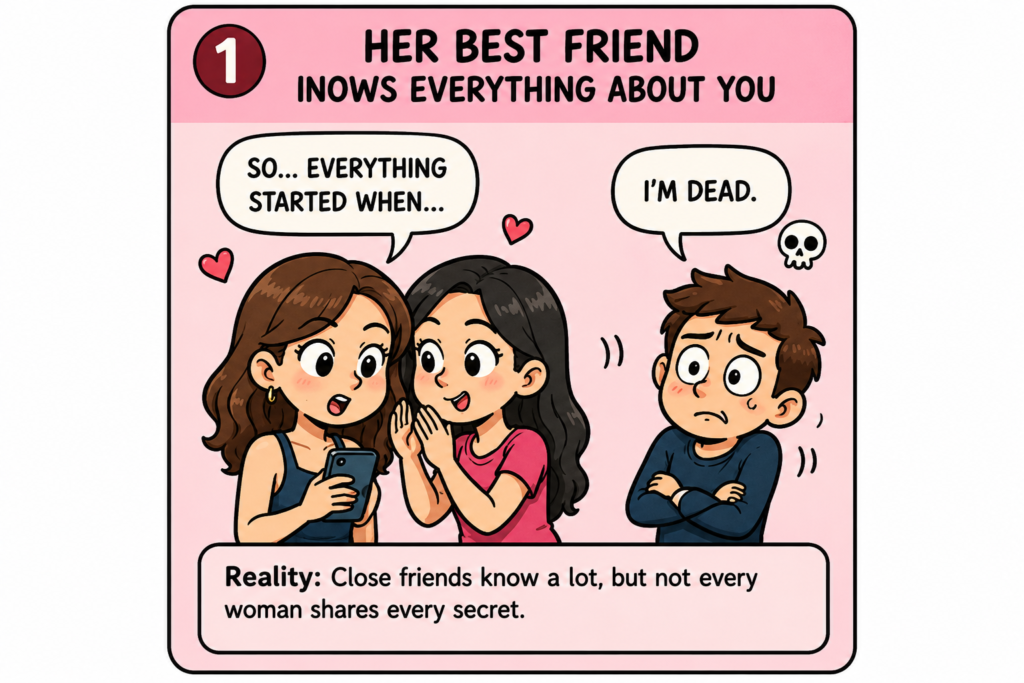
1. “Her best friend knows everything about you”
There is some truth here — many people, not just women, talk to close friends about their relationships.
Friends often become advisers, emotional support, or someone to vent to after arguments.
But it’s not universal. Some women are very private and never share intimate details.
Others may only tell trusted friends certain things.
The reality:
A close friend may know a lot, but it doesn’t mean every woman shares secrets or relationship details.
2. “Women check out other men”
This one is partly true — because humans notice attractive people.
Men notice attractive women, and women notice attractive men.
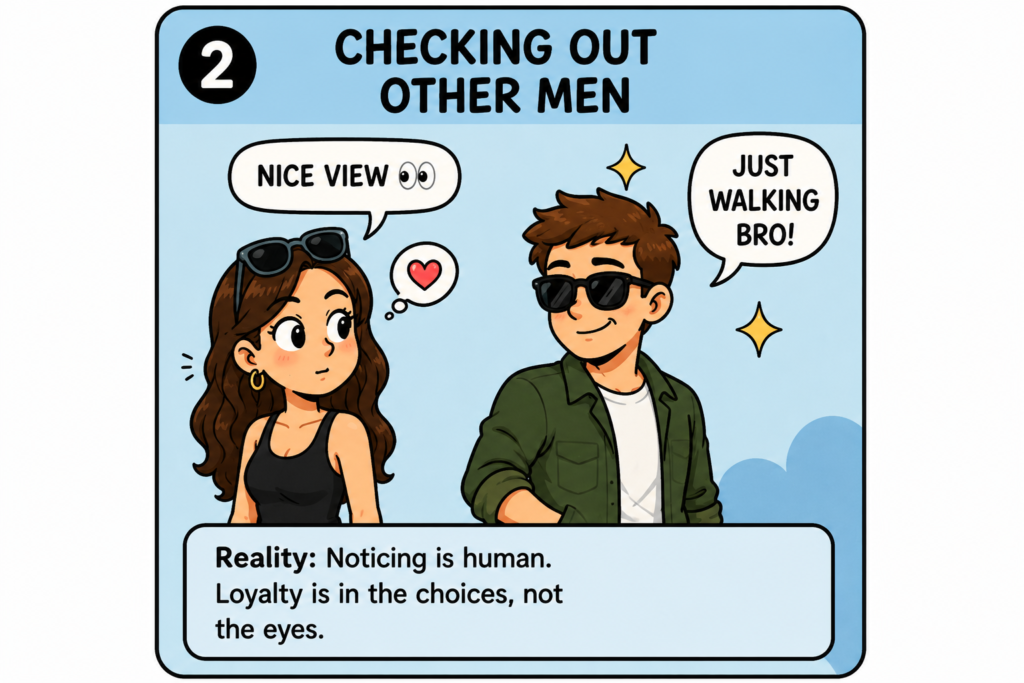
Noticing someone attractive doesn’t automatically mean cheating or lack of love.
The reality:
Being in a relationship doesn’t suddenly make someone blind. What matters more is behavior, loyalty, and boundaries.
3. “Women compare you to others”
Comparison happens in relationships — for both men and women.
Someone may compare:
- Communication
- Effort
- Emotional support
- Lifestyle
- Respect
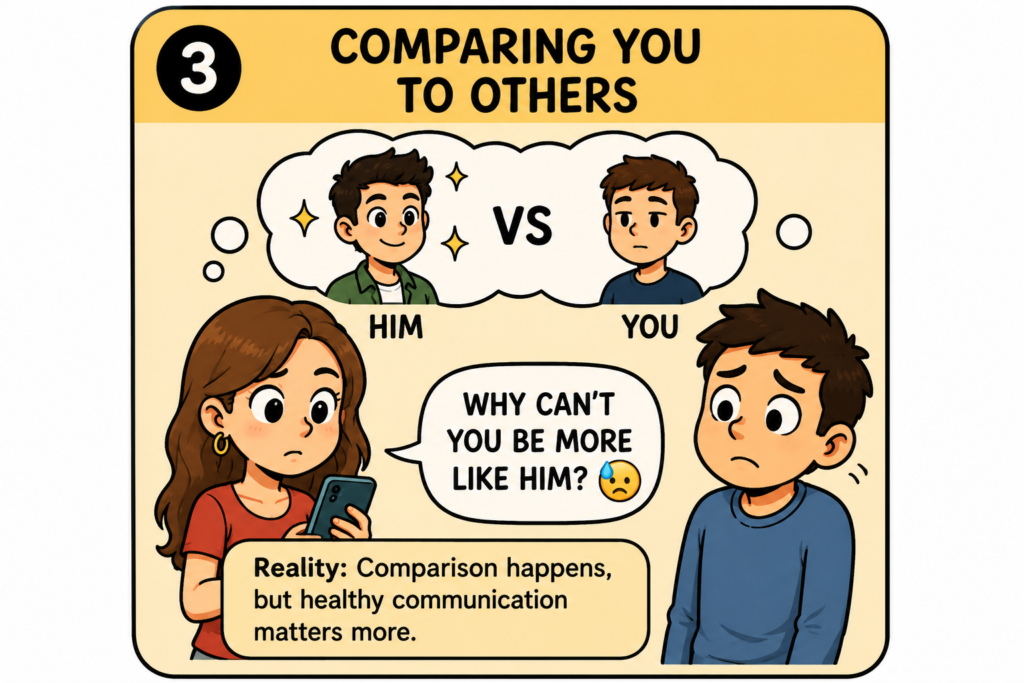
Sometimes comparisons are subconscious, based on past experiences or expectations.
The reality:
Healthy comparison can help someone understand what they want or don’t want.
Constant unfair comparison, however, can hurt a relationship.
4. “Women are loyal to emotions”
Emotions play a huge role in many relationships, but saying women are only loyal to emotions is too simplistic.
Men and women both make emotional decisions sometimes.
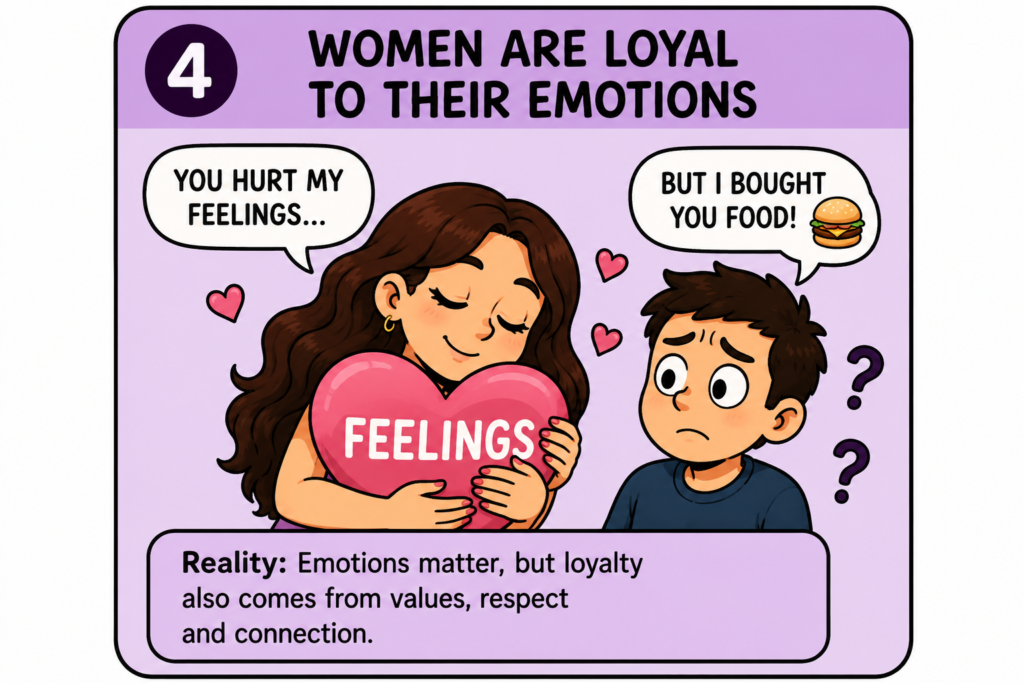
At the same time, people also value loyalty, trust, sacrifice, shared memories, and commitment.
The reality:
Strong emotional connection matters — but healthy relationships usually combine emotion, trust, communication, and respect.
5. “She’s always testing you”
Sometimes people test boundaries without realizing it — for example:
- Seeing how patient you are
- Observing consistency
- Checking reliability
- Looking for confidence or emotional maturity
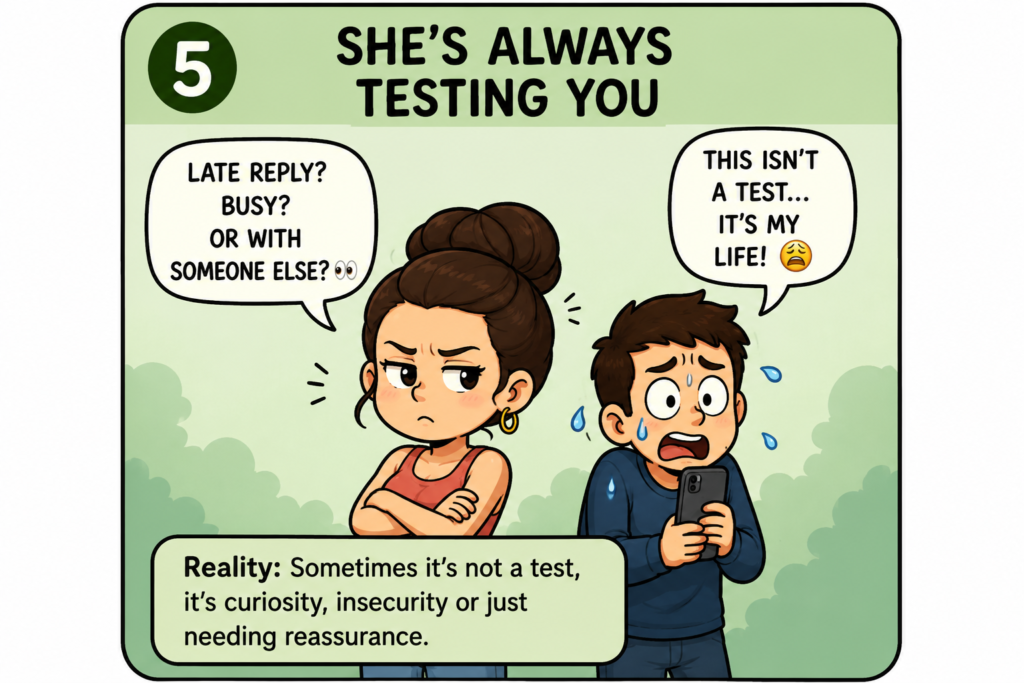
But framing every disagreement or question as a “test” can become unhealthy thinking.
The reality:
Many situations are not tests — they’re communication, curiosity, or emotional needs.
6. “Women enjoy cheating”
This claim is misleading and unfair as a blanket statement.
Cheating can happen with anyone — male or female — and reasons vary:
- Emotional disconnection
- Unmet needs
- Opportunity
- Personal issues
- Poor boundaries
- Immaturity
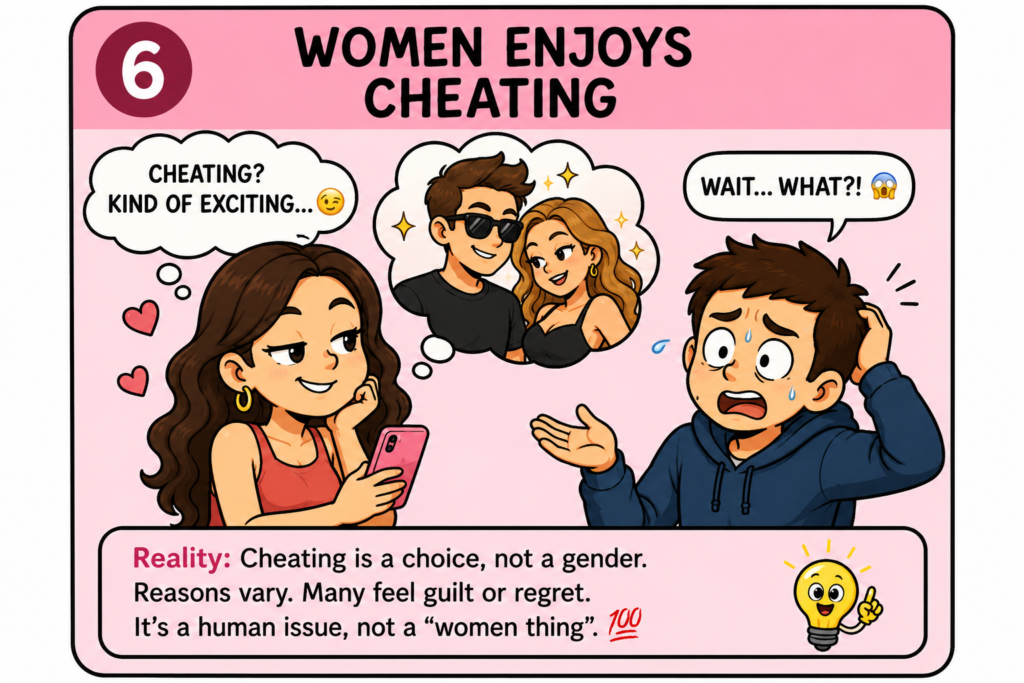
Many people who cheat later feel guilt, regret, or shame. Others justify it. It depends on the person, not gender alone.
The reality:
Cheating is a human issue, not a “women psychology” issue.
7. The biggest truth: every person is different
The mistake many viral dating posts make is treating all women — or all men — as the same.
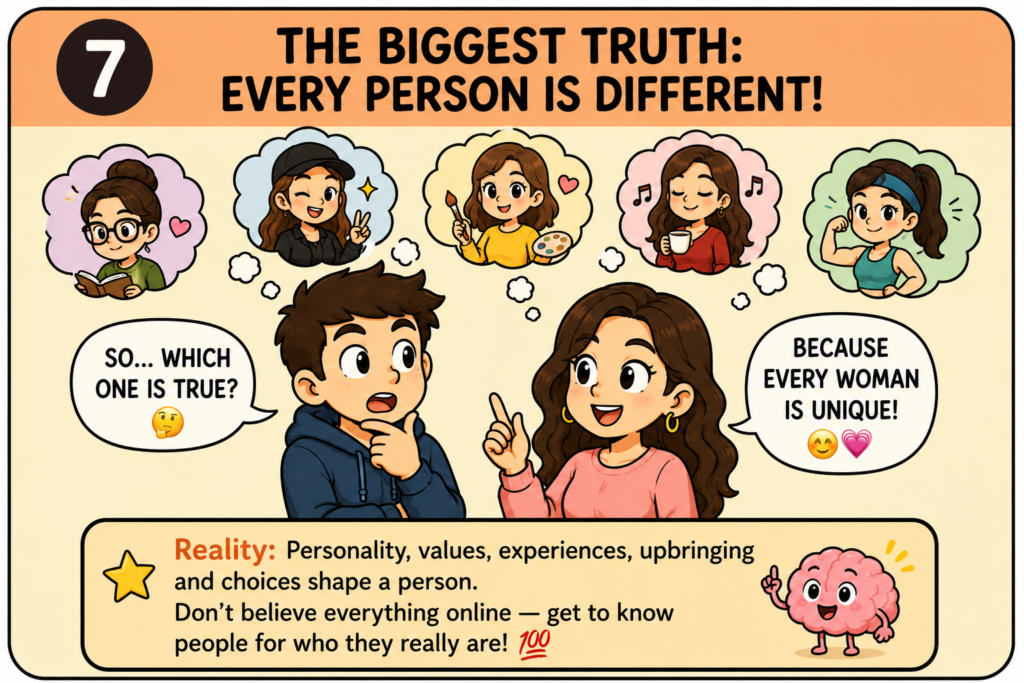
Psychology is more complicated than:
- “All women do this”
- “All men do that”
Personality, maturity, values, upbringing, attachment style, and experiences matter far more.
Final Thought
Instead of asking, “What are women really like?”, a better question is:
“How do I build a healthy relationship with the right person?”
Because trust, communication, respect, and emotional maturity usually matter more than viral “psychological secrets.”