

Human behavior is fascinating. Many so-called “mind games” spread online because they sound powerful and mysterious. While some are based on real psychological principles, others are exaggerated or unlikely to work in real-life situations.
Let’s break down six “darkest mind games” and examine the psychology behind them.
1. When Interrupted, Stop Talking and Maintain Eye Contact
When someone interrupts you, immediately fighting for attention often escalates tension.
Instead, pausing and calmly maintaining eye contact can create a moment of social discomfort.
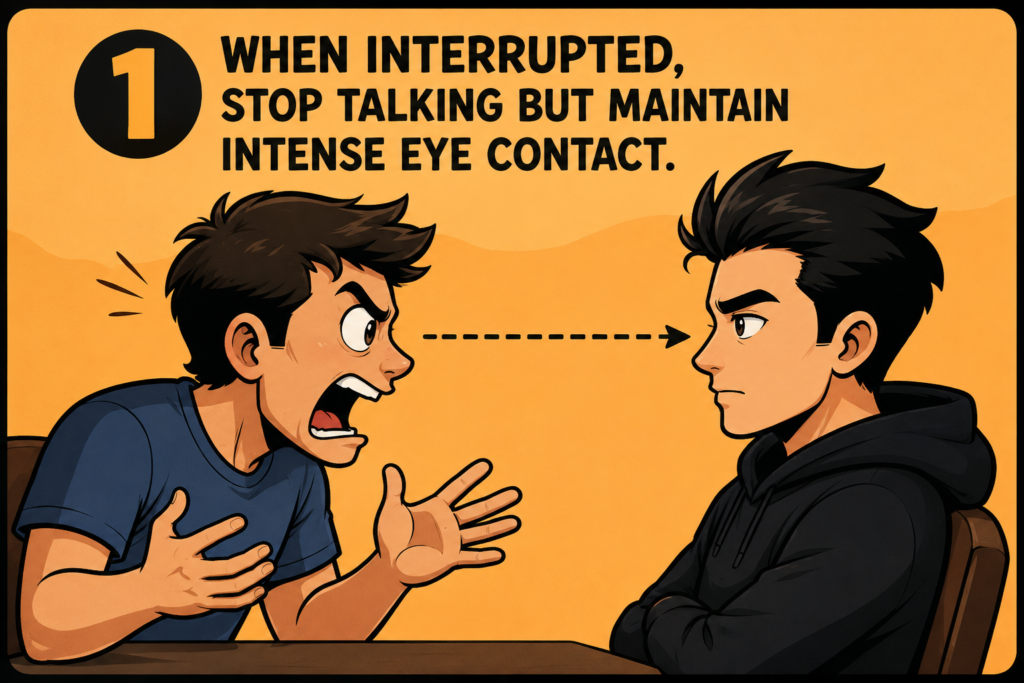
Why it works:
- It signals confidence without aggression.
- It makes the interrupter aware of their behavior.
- It often encourages them to stop and let you continue.
However, avoid turning it into a staring contest. The goal is calm confidence, not intimidation.
2. Respond to Yelling with Unexpected Behavior
Some suggest quietly saying random numbers when someone is yelling at you.
The psychology behind it:
- Unexpected responses can interrupt emotional patterns.
- The brain briefly shifts from anger to confusion.
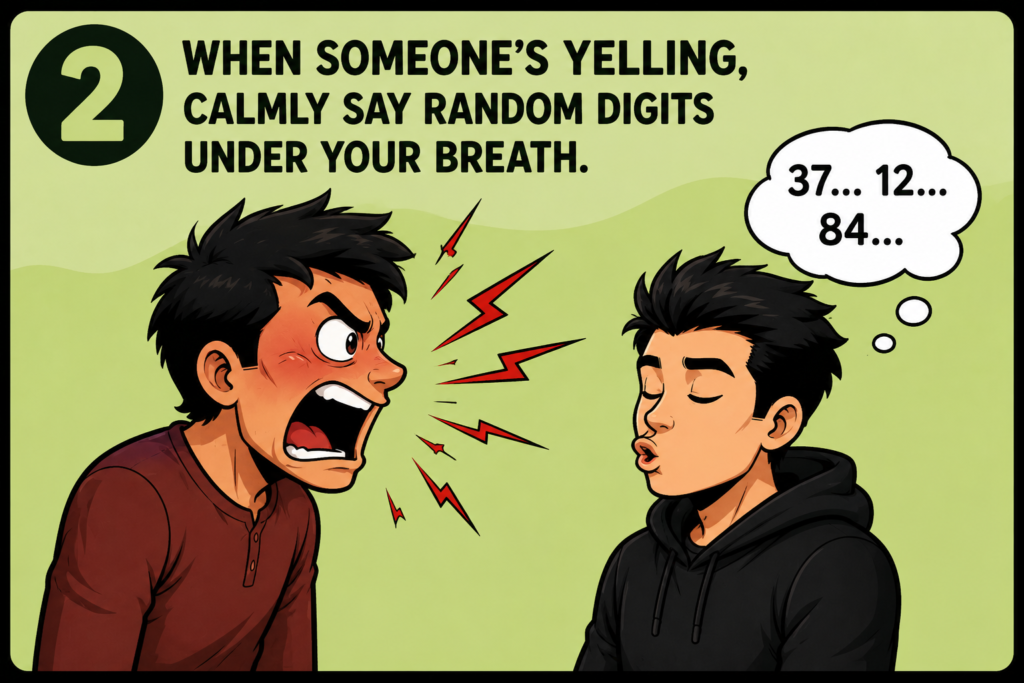
In reality, this tactic may not always work and could even make the situation worse.
A better approach is staying calm and speaking in a lower tone, which often encourages others to lower their voices as well.
3. Walk Away from Pointless Arguments
One of the strongest psychological moves is knowing when a discussion is no longer productive.
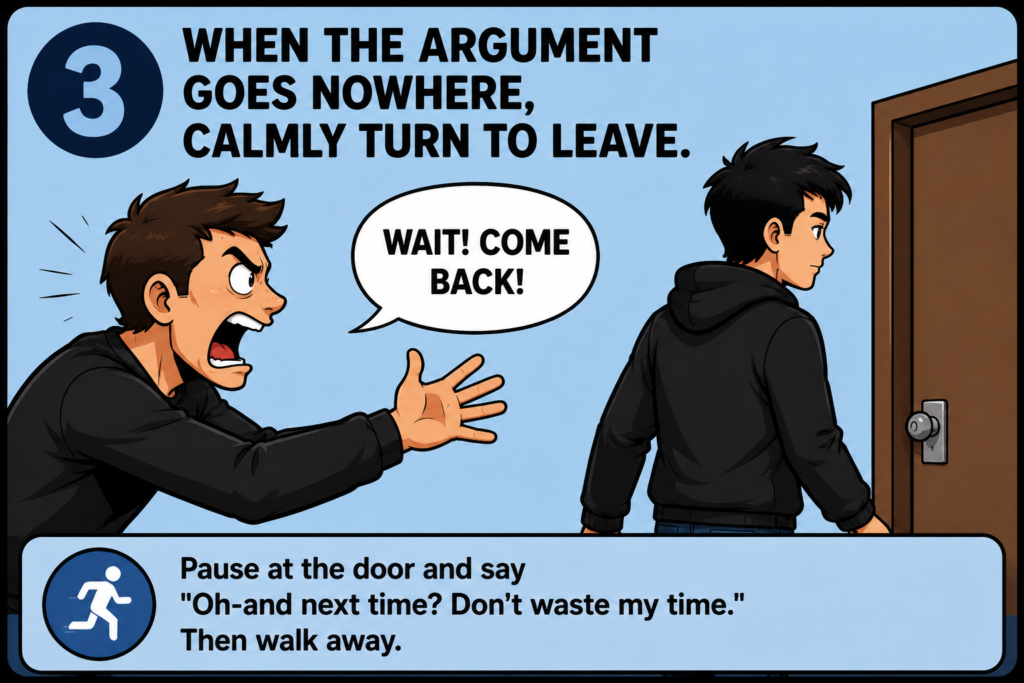
Why it works:
- It protects your emotional energy.
- It prevents unnecessary conflict.
- It shows self-respect and emotional control.
Not every battle deserves your attention. Sometimes walking away is the smartest response.
4. Use Strategic Silence
Nodding a few times and then remaining silent can encourage people to keep talking.
This works because:
- Many people feel uncomfortable with silence.
- They often continue speaking to fill the gap.
- In doing so, they may reveal additional thoughts or information.
This technique is commonly used in interviews, negotiations, and counseling sessions.
5. Apply the 3-Day, 3-Week, 3-Month Rule
Before reacting emotionally, ask yourself:
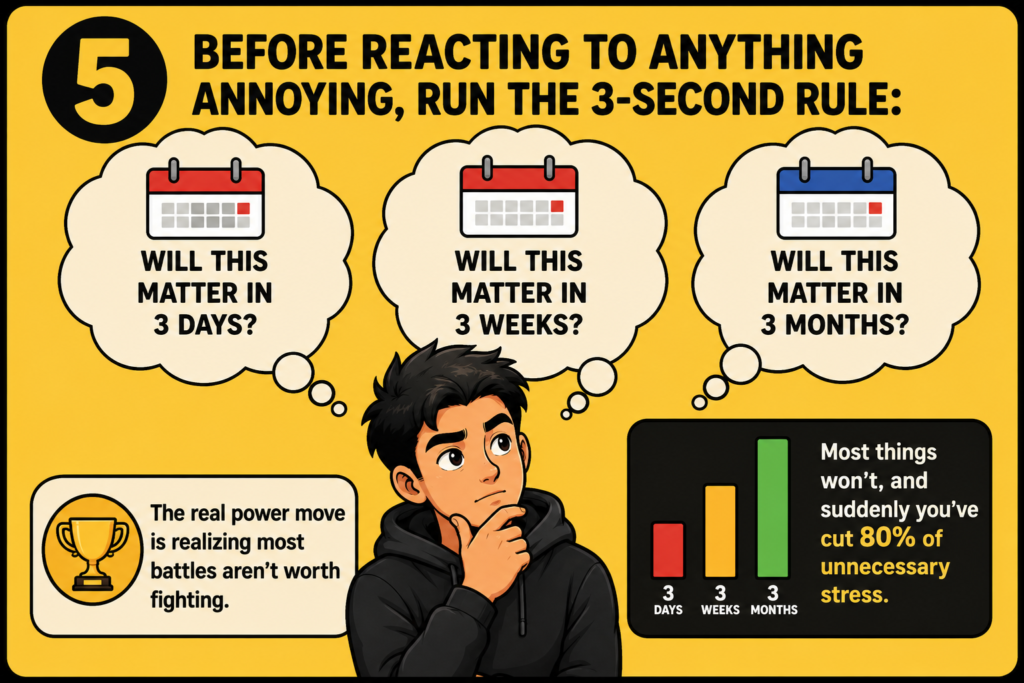
- Will this matter in 3 days?
- Will this matter in 3 weeks?
- Will this matter in 3 months?
This simple mental filter helps reduce stress and prevent overreactions.
Benefits include:
- Better emotional control.
- Less anxiety over small problems.
- Greater focus on what truly matters.
Many daily frustrations lose significance with time.
6. Understand the Power of Scarcity
The final point in the post says that if you don’t follow them, you may never see them again.
This uses a psychological principle called scarcity.

Why it works:
- People value things they think they might lose.
- Fear of missing out (FOMO) influences decisions.
- Limited opportunities often feel more important.
Marketers and social media creators use this technique frequently to gain attention and encourage action.
Final Thoughts
The most effective psychological tactics aren’t about manipulating people—they’re about controlling yourself.
Real power comes from:
- Staying calm under pressure.
- Knowing when to speak and when to stay silent.
- Walking away from pointless conflict.
- Managing emotions instead of letting emotions manage you.
The strongest mind game is emotional self-control. When you master your reactions, you become much harder for others to influence.