
Being single can be a wonderful opportunity for self-growth, independence, and personal freedom. However, when someone remains single for an extended period, certain challenges may arise.
While not everyone experiences these effects, the following are among the most common.
1. Increased Feelings of Loneliness
Humans are naturally social creatures. Even those who enjoy solitude may occasionally crave emotional connection and companionship.
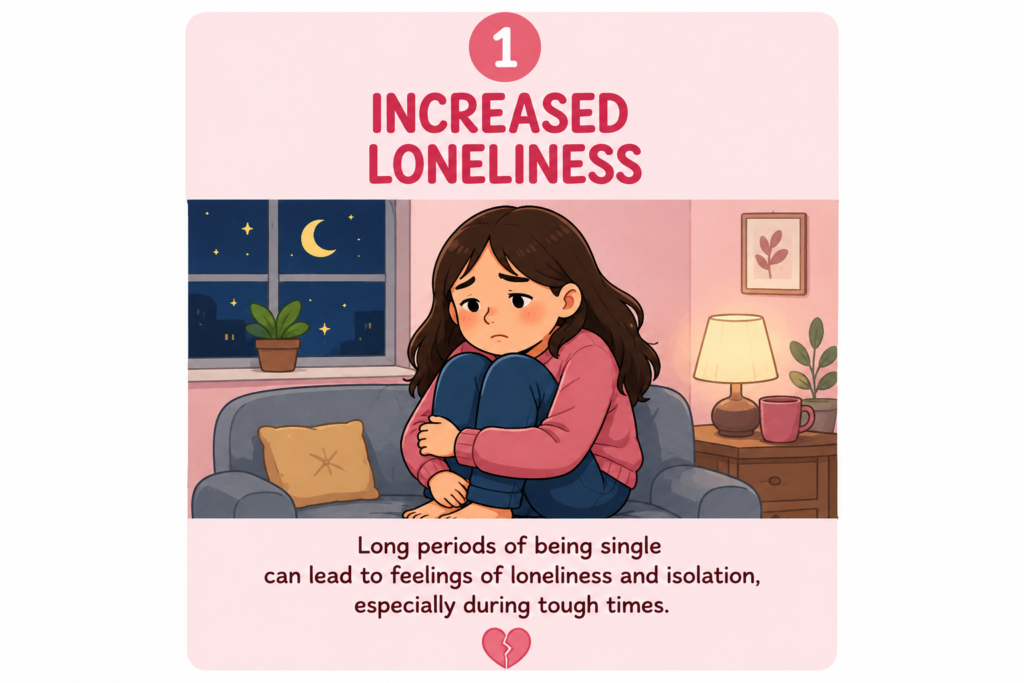
Long-term singleness can sometimes lead to feelings of loneliness, especially during difficult times when emotional support is needed most.
2. Difficulty Being Vulnerable
Handling life’s challenges alone for years can make it hard to open up to others.
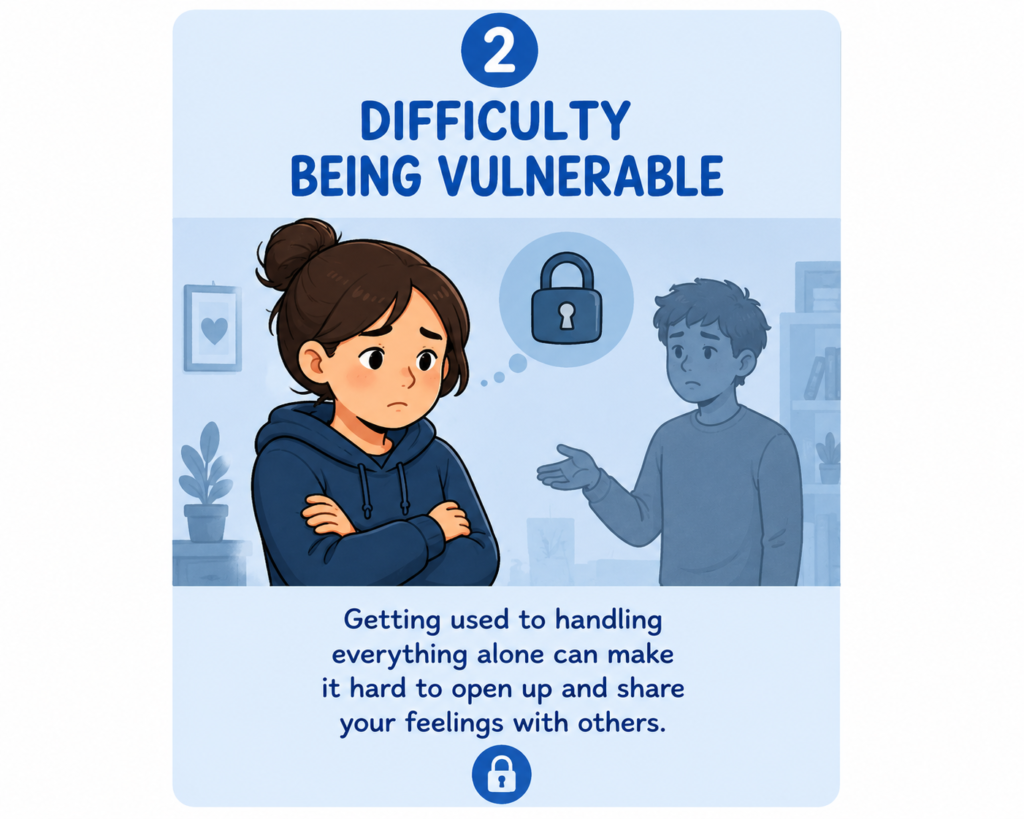
Sharing emotions, fears, and personal struggles may feel uncomfortable because you’ve grown accustomed to relying solely on yourself.
3. Becoming Too Comfortable With Independence
Independence is valuable, but too much of it can make relationships challenging.
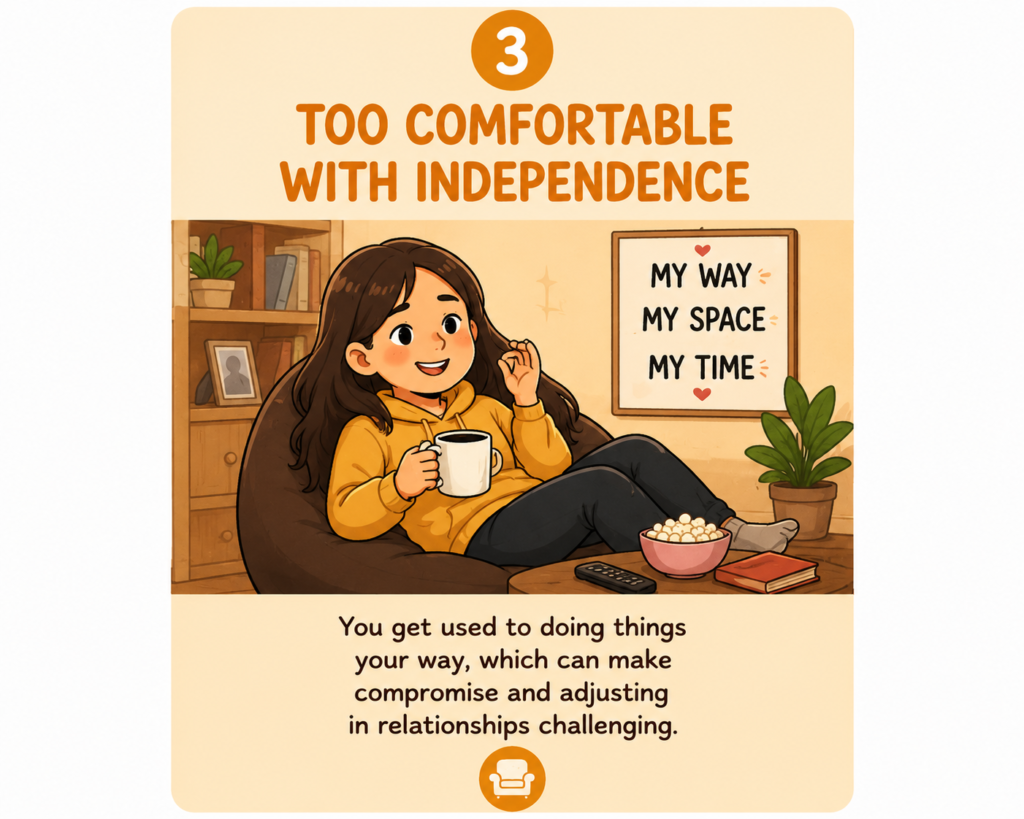
People who have been single for a long time might struggle to compromise, adjust routines, or make room for another person in their daily life.
4. Lack of Physical and Emotional Affection
Physical affection like hugs, hand-holding, and cuddling positively impacts emotional well-being.
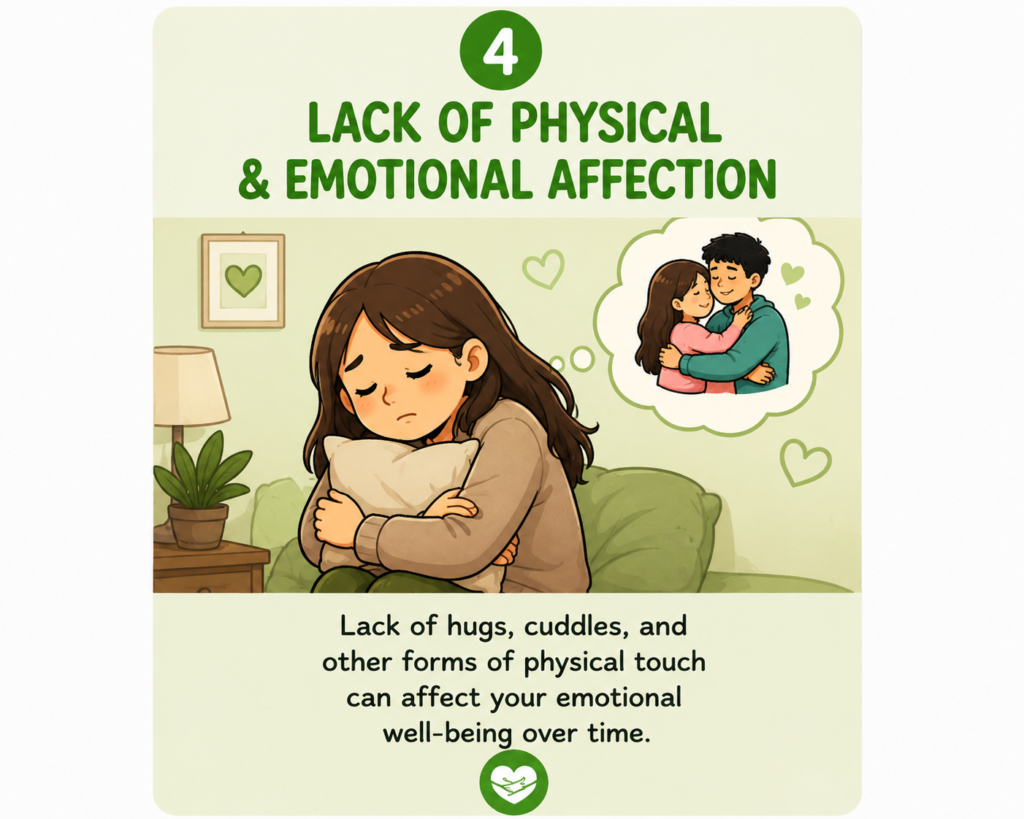
Extended periods without this kind of connection may leave some feeling emotionally disconnected or touch-deprived.
5. Growing Fear of Relationships
The longer someone stays single, the easier it can become to avoid dating altogether.
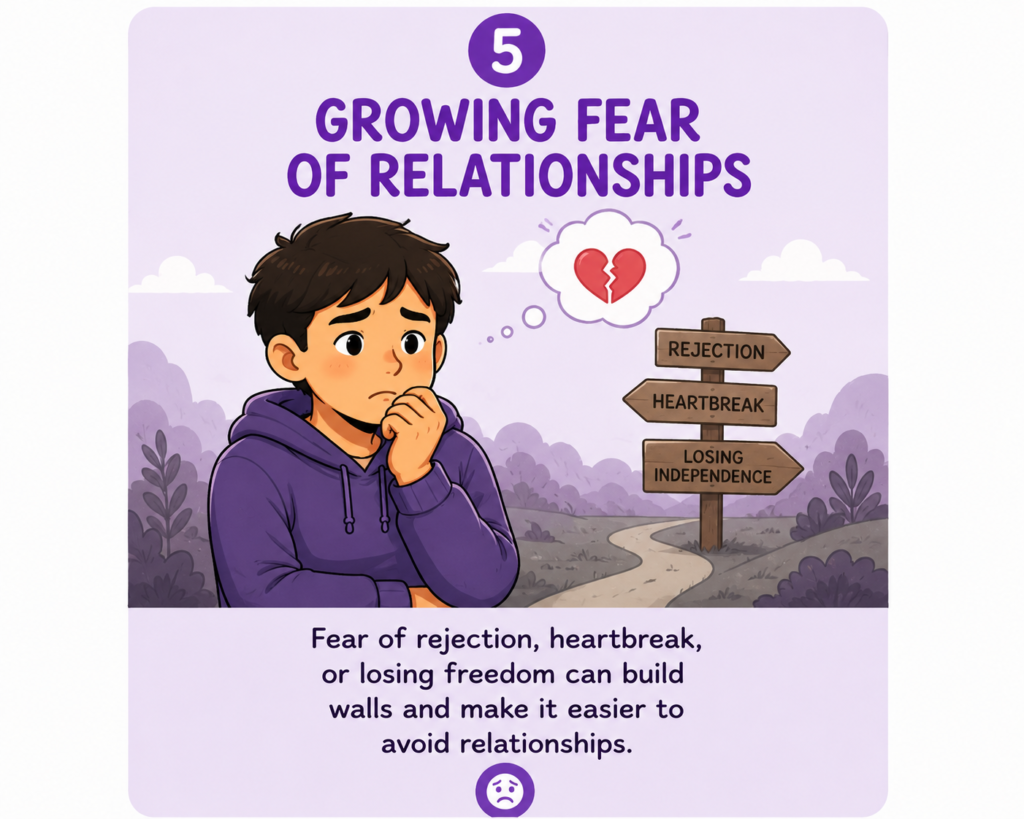
Fear of rejection, heartbreak, or losing personal freedom may create barriers that prevent meaningful relationships from developing.
Final Thoughts
Being single is not a problem in itself. Many people live happy and fulfilling lives without a romantic partner.
However, maintaining strong friendships, family connections, and social relationships is important for emotional well-being.
The goal is not simply to avoid being single but to build meaningful connections that enrich life.