
Psychology Facts About Love
Love is one of the most powerful emotions humans can experience. It brings joy, excitement, comfort, and sometimes heartbreak.
While love often feels magical, psychology and neuroscience reveal fascinating science behind many feelings we associate with romance.
From reducing stress and improving well-being to affecting the brain in ways similar to physical pain, love has a remarkable impact on our thoughts, emotions, and behavior.
Understanding the psychology behind love helps us appreciate the deep connections that shape our lives.
Fascinating Psychology Facts About Love
1. Feeling Loved Improves Overall Well-Being
People who feel loved and supported often report greater happiness, confidence, and life satisfaction.
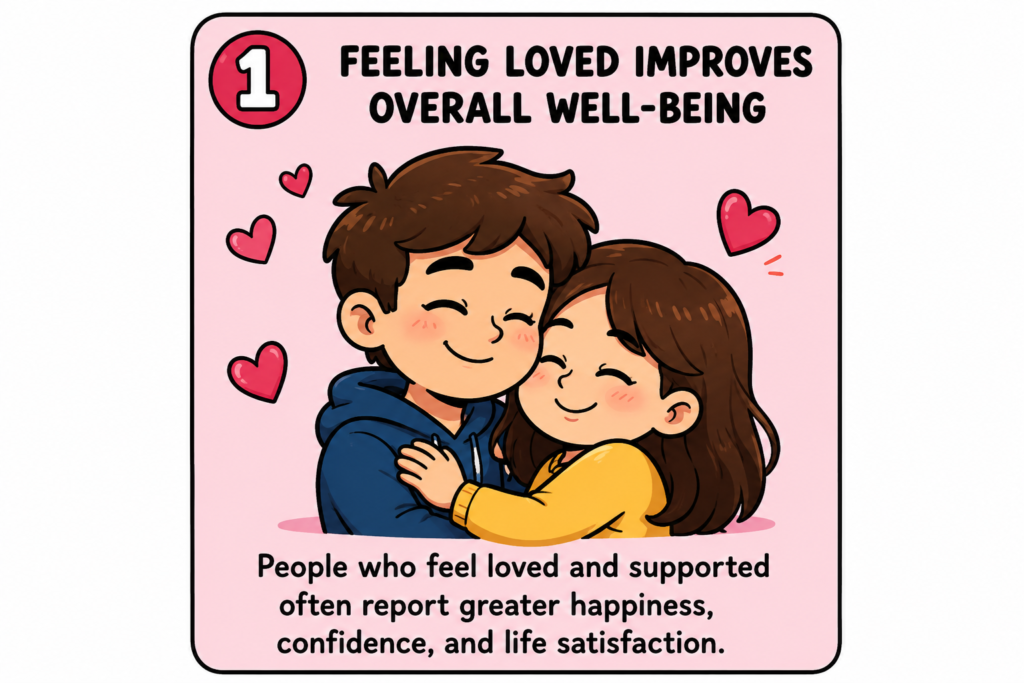
Healthy relationships positively affect both mental and physical health.
2. Your Heartbeat Can Synchronize With Your Partner’s
Research shows couples who are emotionally close may experience synchronized heart rates and breathing patterns when spending time together.
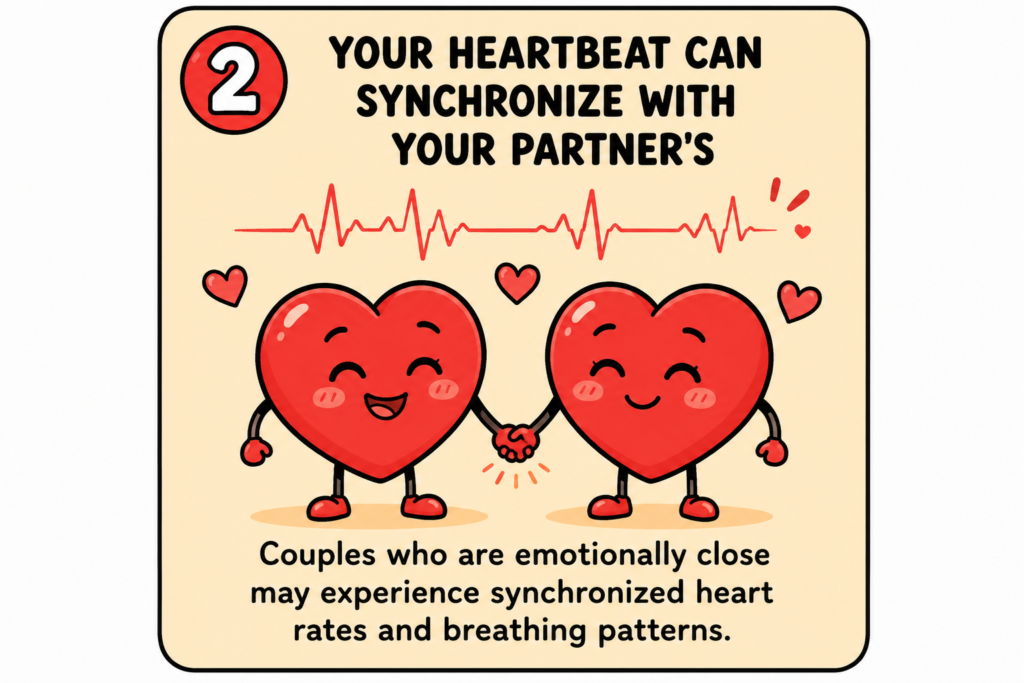
This reflects the strong connection that can develop between two people.
3. Love Can Reduce Stress
Being around someone you love can lower stress levels and help the body feel calmer.
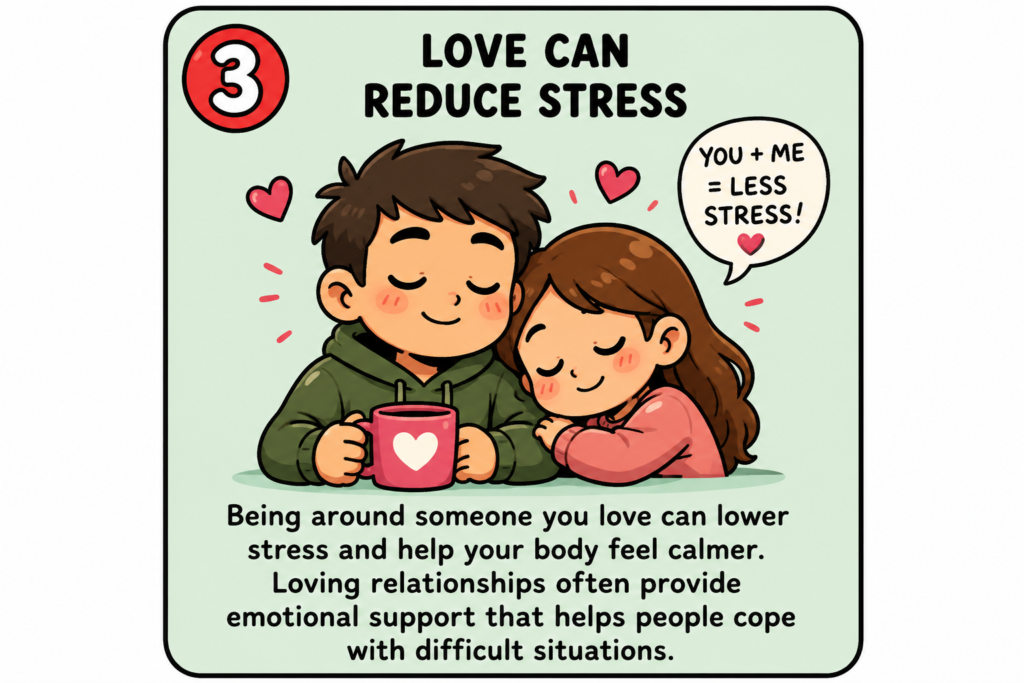
Loving relationships provide emotional support that helps people cope with difficult situations.
4. Eye Contact Can Strengthen Romantic Feelings
Maintaining eye contact with someone you care about can increase feelings of closeness and trust.
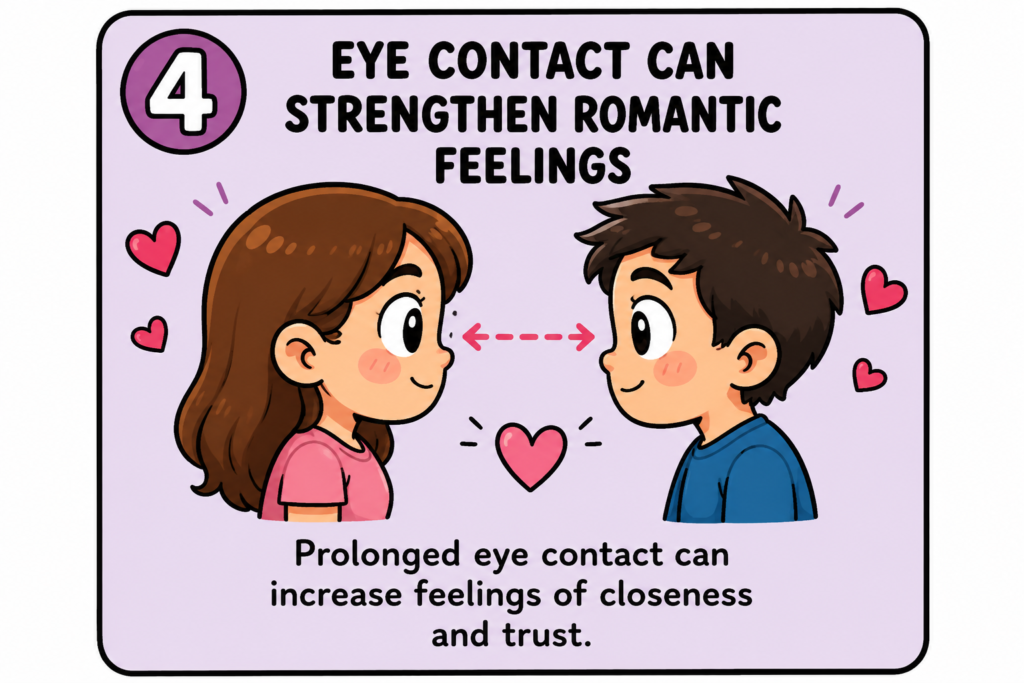
Studies suggest prolonged eye contact may boost emotional connection between partners.
5. Love Improves Memory and Focus
Thinking about someone you deeply care about can increase motivation and attention.
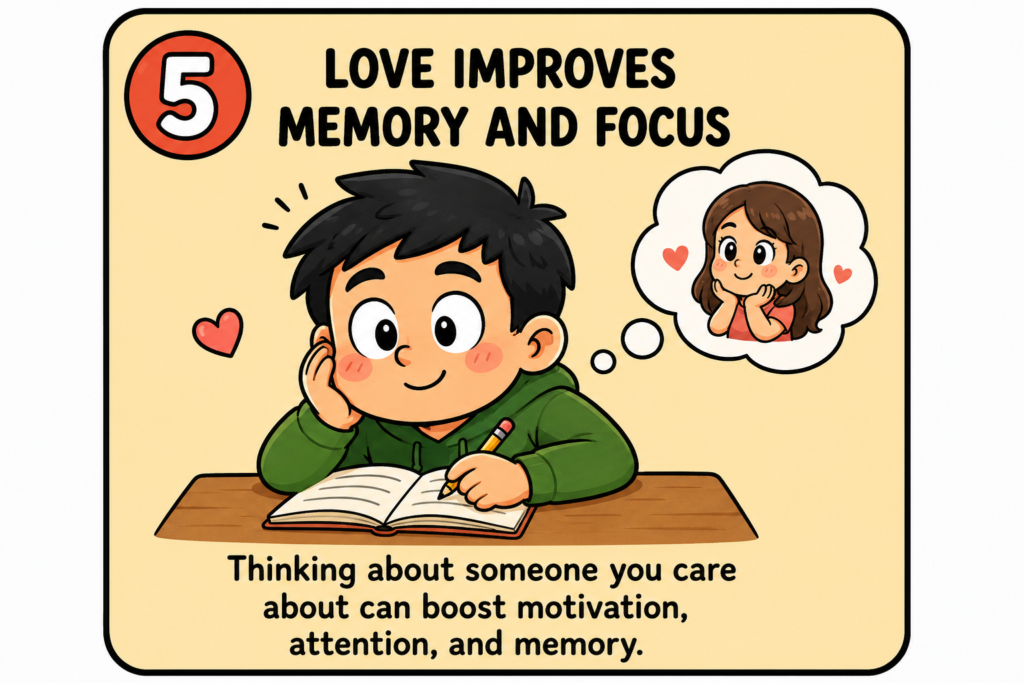
Positive emotions tied to love may help improve concentration and create stronger memories.
How Love Influences Behavior and Brain Function
6. Couples Who Laugh Together Stay Together Longer
Shared laughter helps build trust, improve communication, and strengthen emotional intimacy.

A good sense of humor is considered a strong predictor of relationship satisfaction.
7. Missing Someone Activates the Brain Like Physical Pain
Longing for someone you love triggers brain activity similar to physical discomfort.
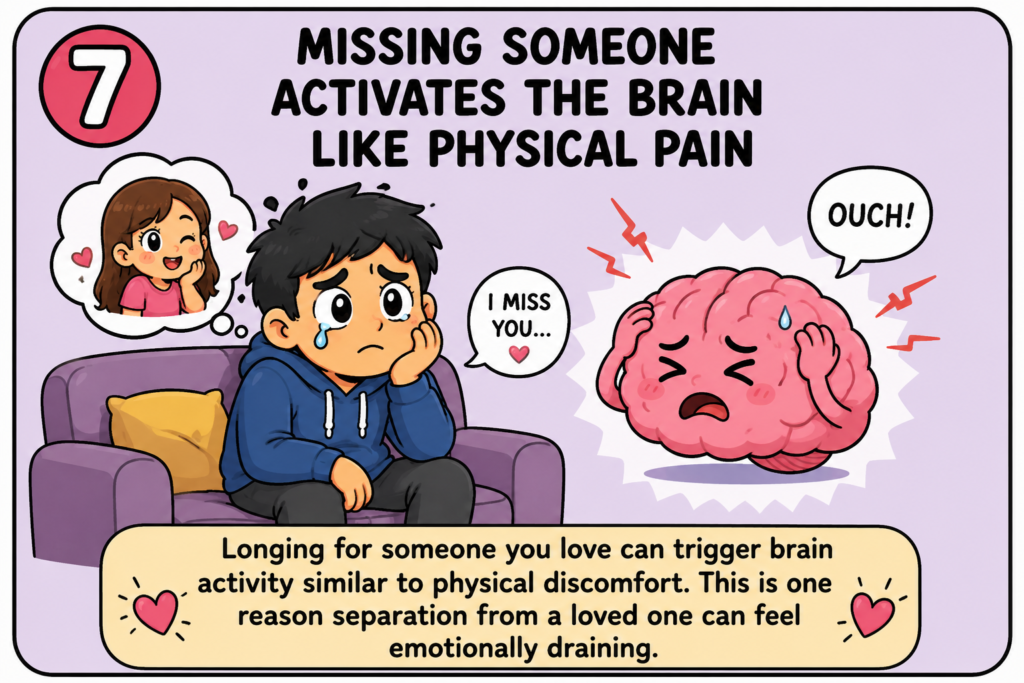
This explains why separation from a loved one can feel emotionally draining.
8. Emotional Pain From Love Can Last Longer Than Physical Wounds
Physical injuries often heal with time, but emotional wounds can remain in memory for years.
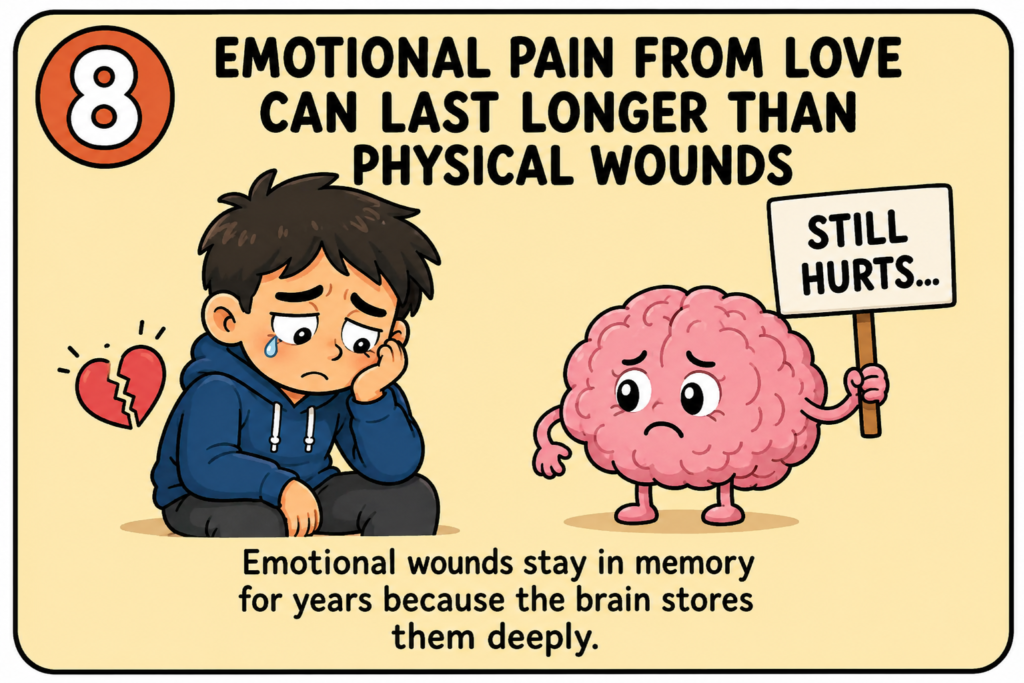
The brain stores emotional experiences deeply, making some feelings last longer.
9. Holding Hands With Someone You Love Reduces Pain
Holding the hand of a trusted partner can lower stress and lessen the intensity of discomfort.
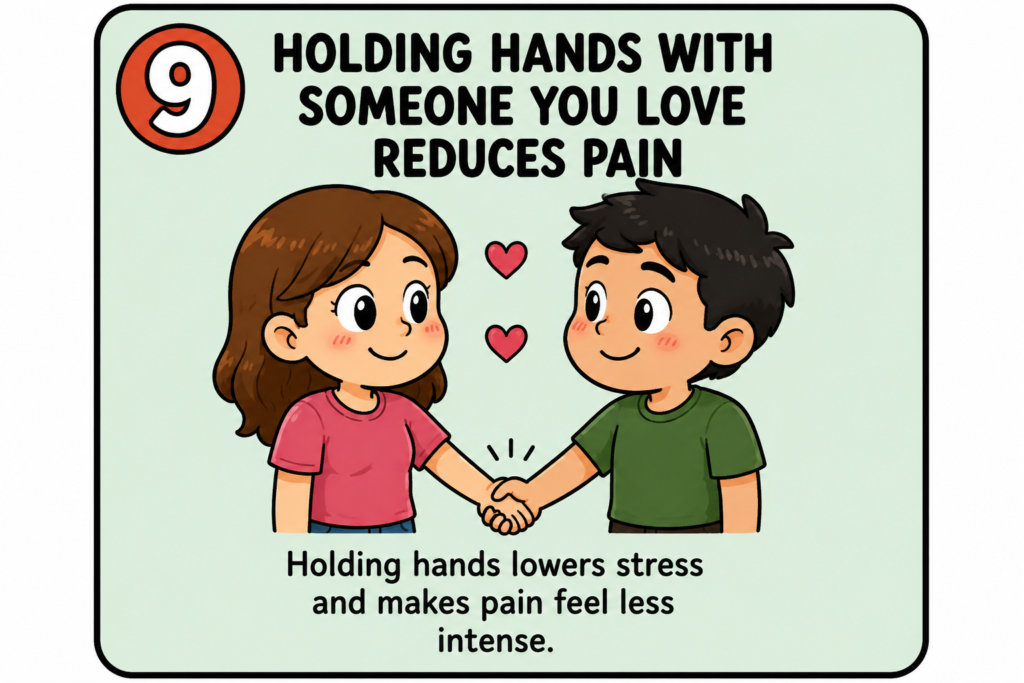
Emotional support helps the brain process pain differently.
10. Lovers Subconsciously Copy Each Other’s Habits and Speech
People in close relationships often mirror each other’s gestures, speech patterns, and behaviors.
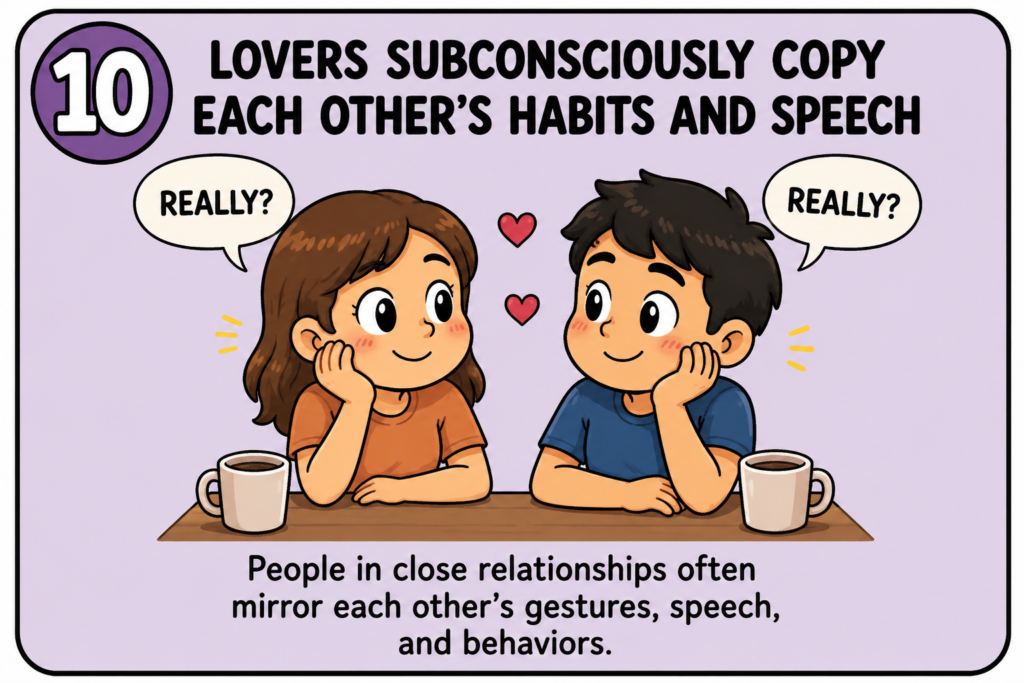
This mirroring helps strengthen emotional bonds.
The Science of Falling in Love
11. A Broken Heart Can Mimic a Heart Attack
Heartbreak is not just emotional.
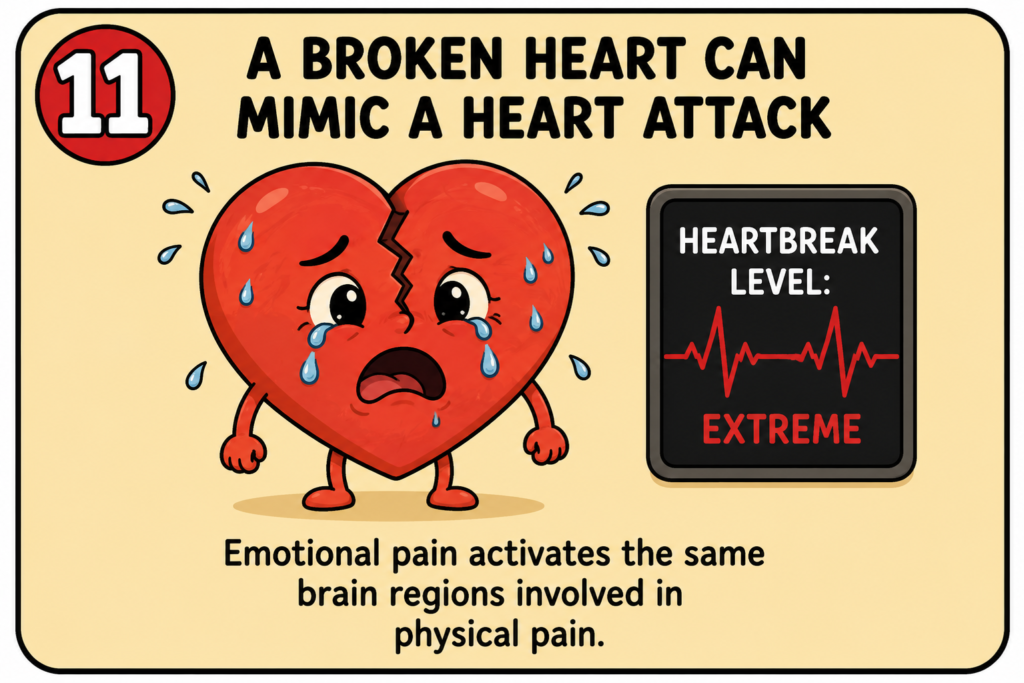
Studies show emotional pain activates brain regions involved in physical pain, making a broken heart feel real.
12. It Takes Just Minutes to Fall in Love
Research suggests strong romantic impressions can form within minutes.
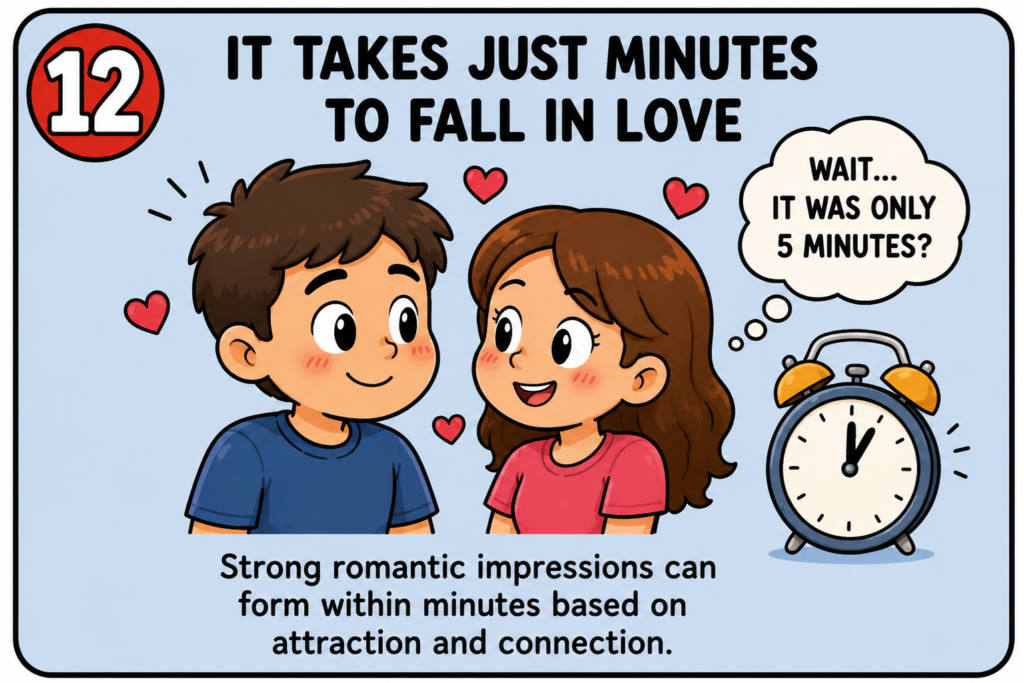
Factors like eye contact, confidence, and emotional connection play major roles.
13. Falling in Love Feels Like a Drug
When you fall in love, your brain releases dopamine, a neurotransmitter linked to pleasure and reward.
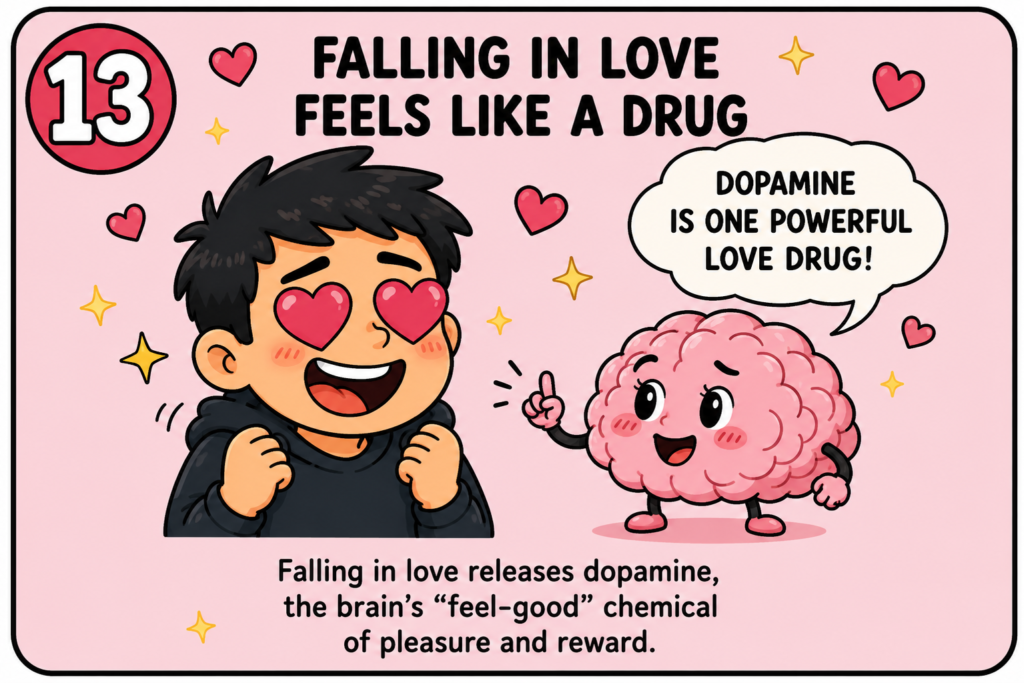
This creates feelings of excitement, happiness, and the desire to be near that person constantly.
Final Thoughts
Love is more than just a feeling—it’s a powerful force influencing the brain, body, and behavior.
Whether it’s the joy of being together, the comfort of emotional support, or the pain of missing someone, love shapes many aspects of our lives.
Understanding these psychological facts helps us appreciate the incredible connections that make life meaningful.