
Families don’t need to be perfect to be healthy. In fact, strong families often grow from simple habits and principles that build trust, respect, and emotional safety over time.
While every family is unique, certain rules can help create a home where everyone feels valued and supported.
Six Family Rules Everyone Deserves to Know
1. No Family Member Should Feel Like a Guest in Their Own Home
Home should be the one place where people feel accepted and comfortable.
Unfortunately, some family members may feel ignored, unwelcome, or afraid to express themselves.
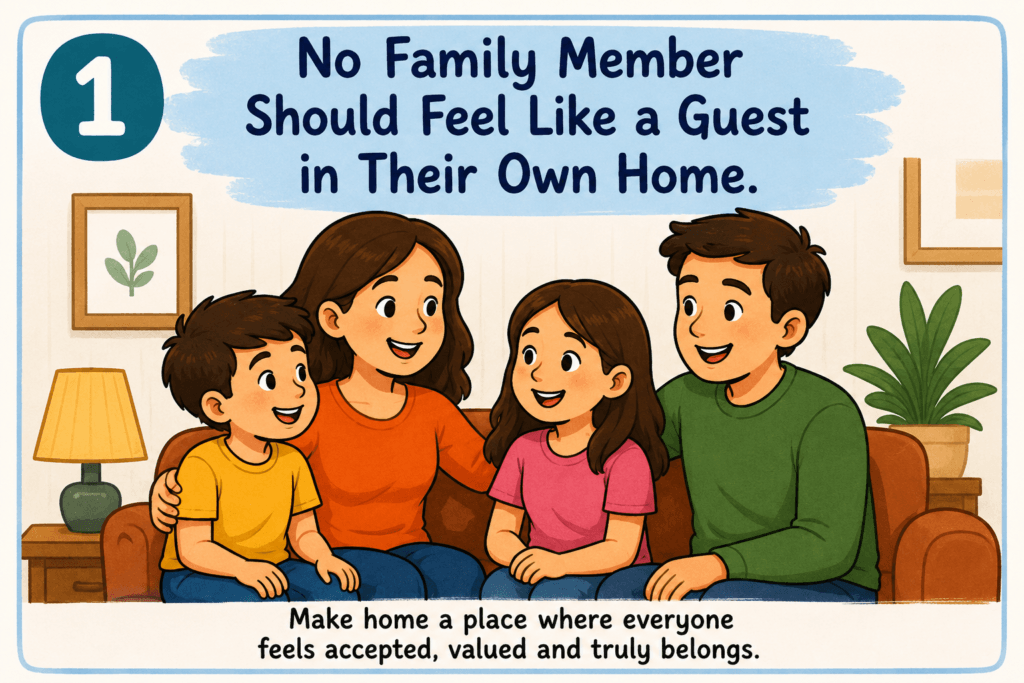
Whether it’s a child, a spouse, or an elderly parent, everyone deserves to feel that they belong.
A healthy home is not just a place to live — it’s a place where people feel seen, heard, and appreciated.
When family members truly belong, stronger relationships naturally follow.
2. Never Joke About Someone’s Insecurities
What seems funny to one person can leave a lasting scar on another.
Many insecurities start with repeated comments about appearance, intelligence, abilities, or personal struggles.
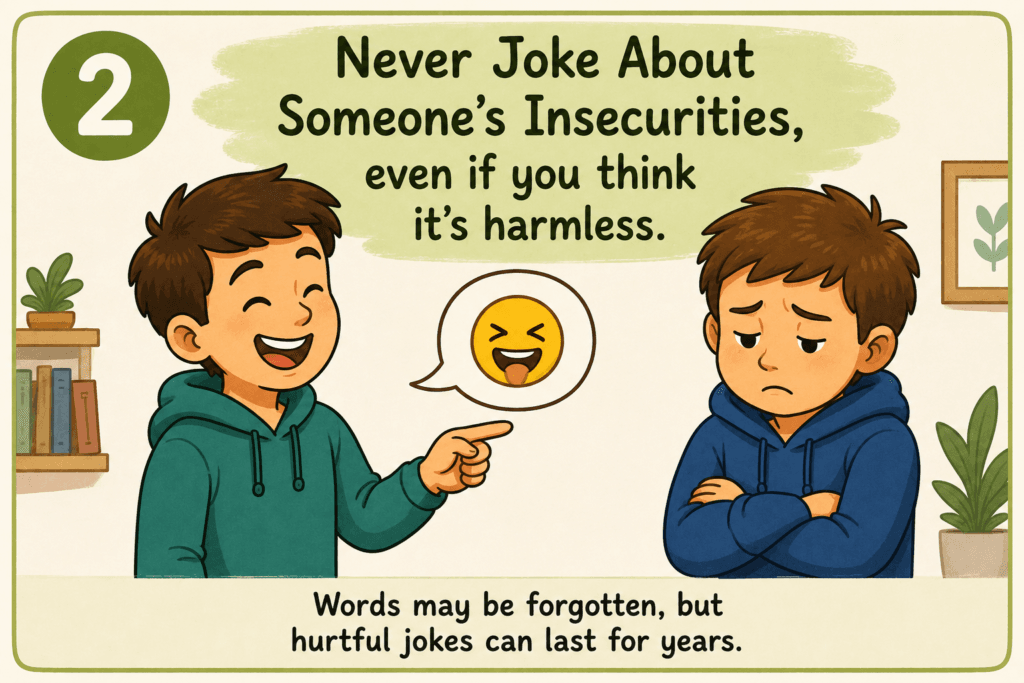
Even jokes can slowly damage a person’s confidence.
Family should be a source of encouragement, not embarrassment.
Before joking, consider if your words build someone up or tear them down.
Kind words are remembered just as long as hurtful ones.
3. Forgive Mistakes, but Pay Attention to Repeated Behavior
Everyone makes mistakes. Healthy families practice forgiveness.
However, forgiveness doesn’t mean ignoring patterns.
Repeated harmful behavior without change may signal a deeper issue that needs addressing.
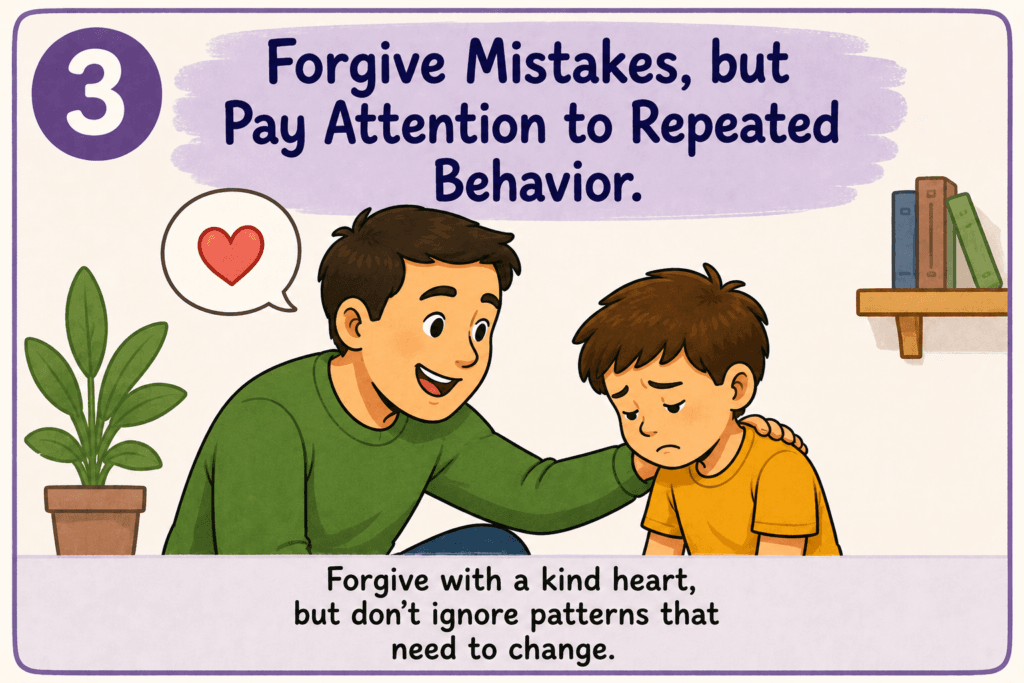
Strong families balance compassion with accountability.
They forgive honest mistakes while encouraging growth and responsibility.
Trust grows when actions consistently match words.
4. Don’t Force Children to Hug Anyone
Teaching respect is important, but teaching consent is equally vital.
Many adults encourage children to hug relatives even when the child feels uncomfortable.
While well-intentioned, children should learn they have control over their personal boundaries.
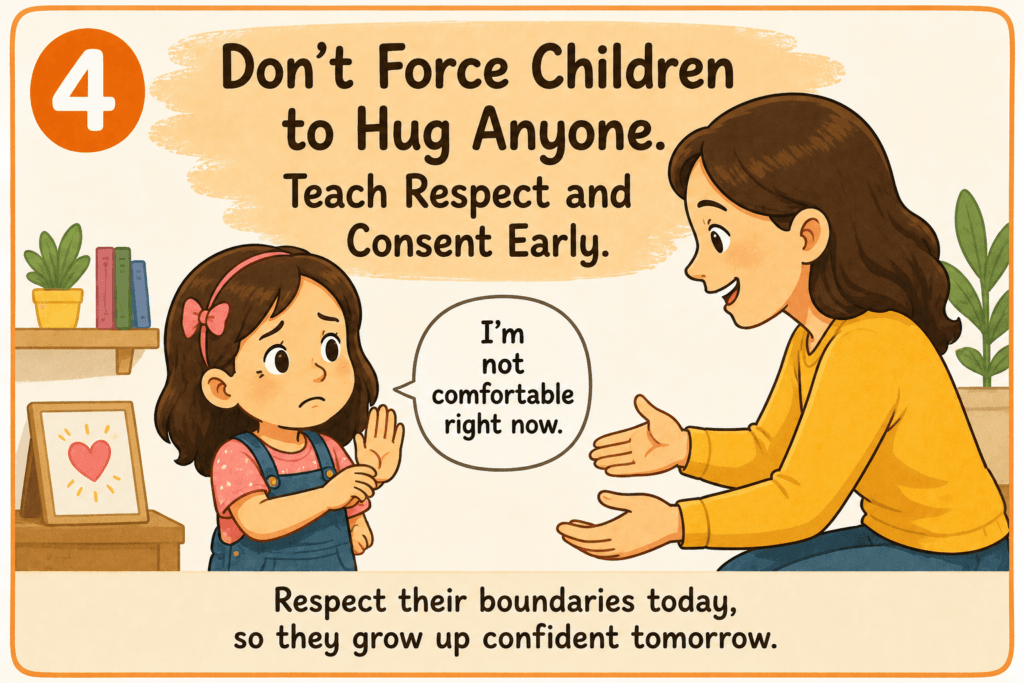
A child can be respectful without physical affection.
Teaching consent early helps children develop confidence, self-respect, and healthy boundaries.
Respect should never require discomfort.
5. Never Compare Siblings
Comparisons often create competition, resentment, and emotional distance.
Every child has different strengths, weaknesses, talents, and personalities.
Constant comparison can make siblings feel misunderstood.
Instead, focus on helping each child become the best version of themselves.
Growth happens when people are appreciated for who they are, not judged against others.
6. Say “I’m Proud of You” More Often Than “Do Better”
Many people spend years chasing approval because they rarely heard encouragement growing up.
Constructive feedback is important, but so is recognition.
Family members need to know their efforts, progress, and achievements are noticed.
A simple “I’m proud of you” can boost confidence and strengthen relationships.
People often forget criticism but rarely forget genuine encouragement.
Final Thoughts
Strong families aren’t built through grand gestures.
They form through everyday actions, respectful communication, and consistent support.
When family members feel accepted, respected, encouraged, and valued, home becomes more than a place to live.
It becomes a place where everyone can truly thrive.
Sometimes the smallest family rules create the biggest impact.