
Psychology is fascinating because it helps us understand human behavior, emotions, and relationships. However, many statements that circulate online are often presented as absolute truths when, in reality, human behavior is far more complicated.
Let’s take a closer look at seven popular psychology claims and what they really mean.
1. The Poorer a Person Is, the More Honestly They Tend to Work
Many hardworking people come from humble backgrounds and often develop strong work ethics because they understand the value of money and opportunity.
However, honesty and work ethic are not determined by wealth alone.
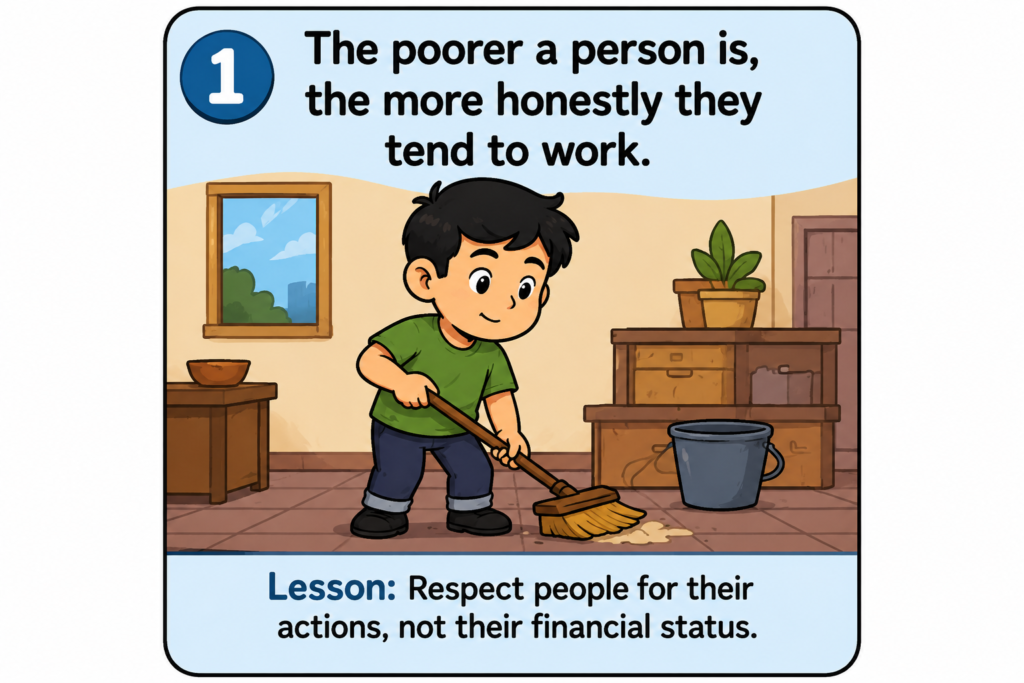
Character is shaped by upbringing, values, experiences, and personal choices—not simply by income level.
Lesson: Respect people for their actions, not their financial status.
2. The Richer a Person Is, the More Miserly and Selfish They Become
Some wealthy individuals may become protective of their resources, while others use their wealth to support charities, communities, and causes they care about.
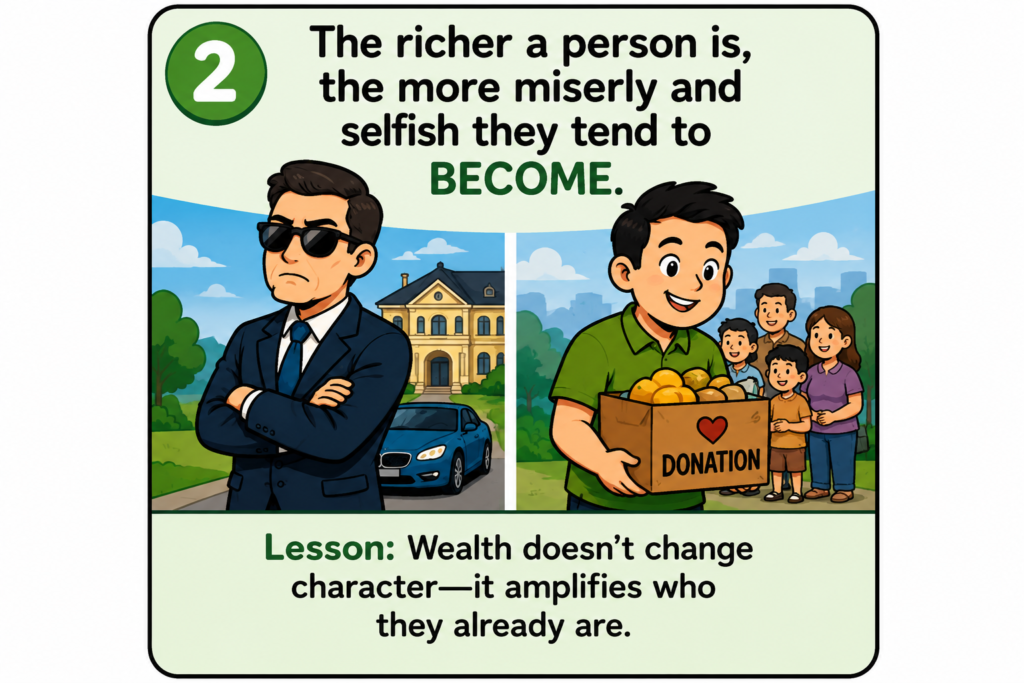
Research shows that generosity and selfishness can be found across all income levels.
Lesson: Wealth doesn’t automatically change someone’s character—it simply amplifies who they already are.
3. The Quieter a Person Is, the More Intelligent and Dangerous They Can Be
Quiet people are often perceived as thoughtful because they spend more time observing and listening.
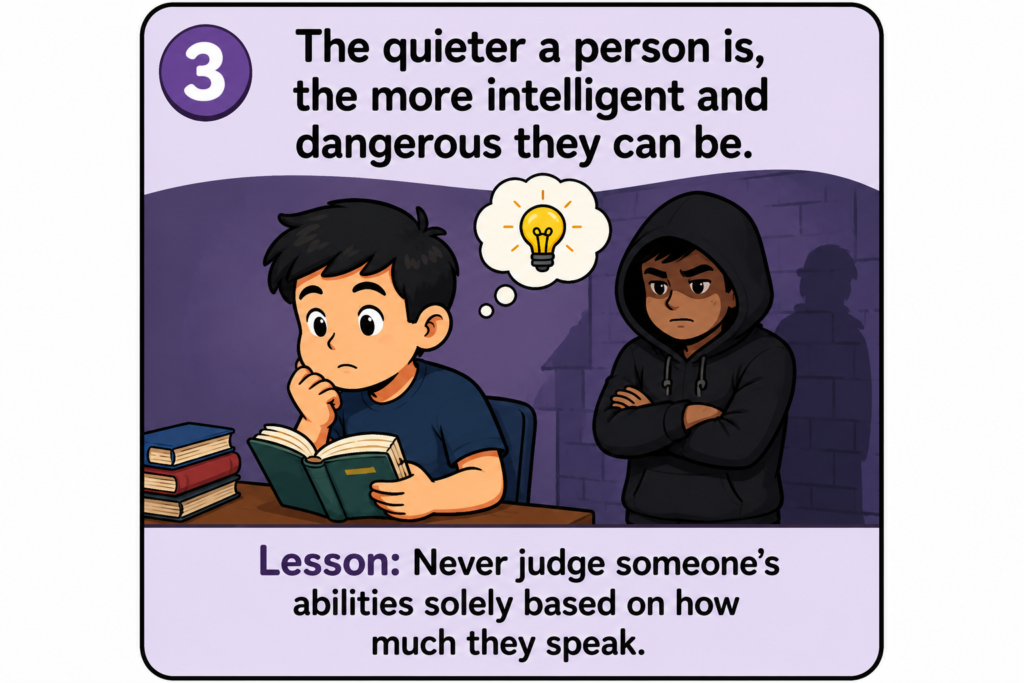
However, silence does not automatically indicate intelligence, nor does it mean someone is dangerous.
Some quiet people are highly intelligent, while others may simply be shy, introverted, or reserved.
Lesson: Never judge someone’s abilities solely based on how much they speak.
4. The More Attractive a Person Looks, the More Arrogant and Proud They Tend to Be
Physical attractiveness can influence how people are treated, but it doesn’t determine personality.
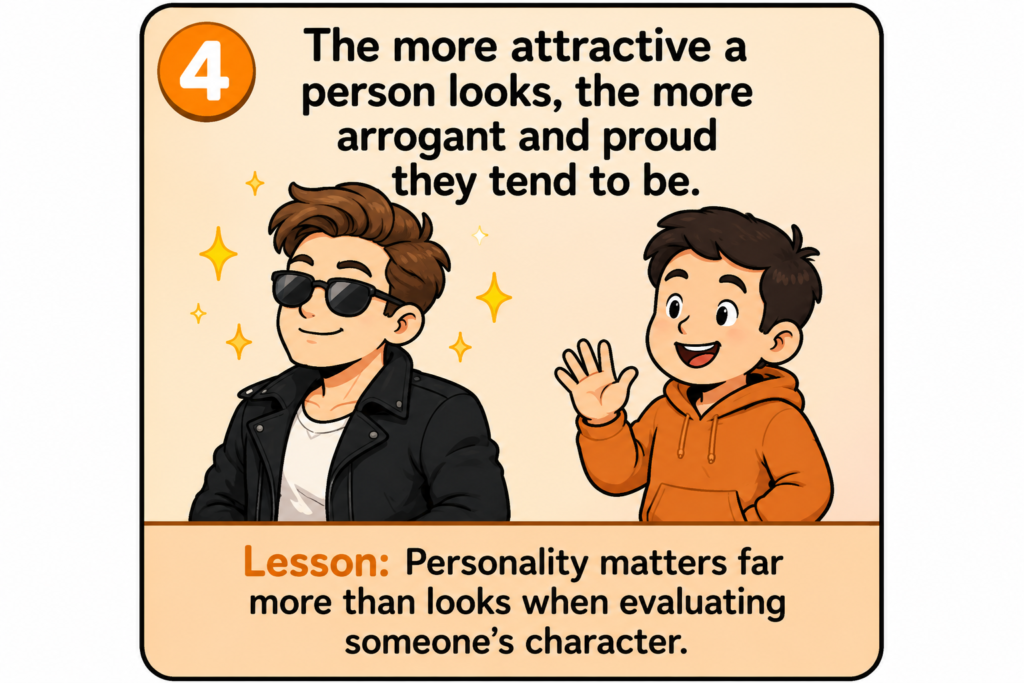
Many attractive individuals are humble, kind, and respectful, while arrogance can exist in people of any appearance.
Lesson: Personality matters far more than looks when evaluating someone’s character.
5. The Sweeter Someone Speaks, the More Deceitful They May Be
Manipulative people sometimes use charm and kindness to gain trust.
However, being polite, friendly, or soft-spoken does not mean someone is dishonest.
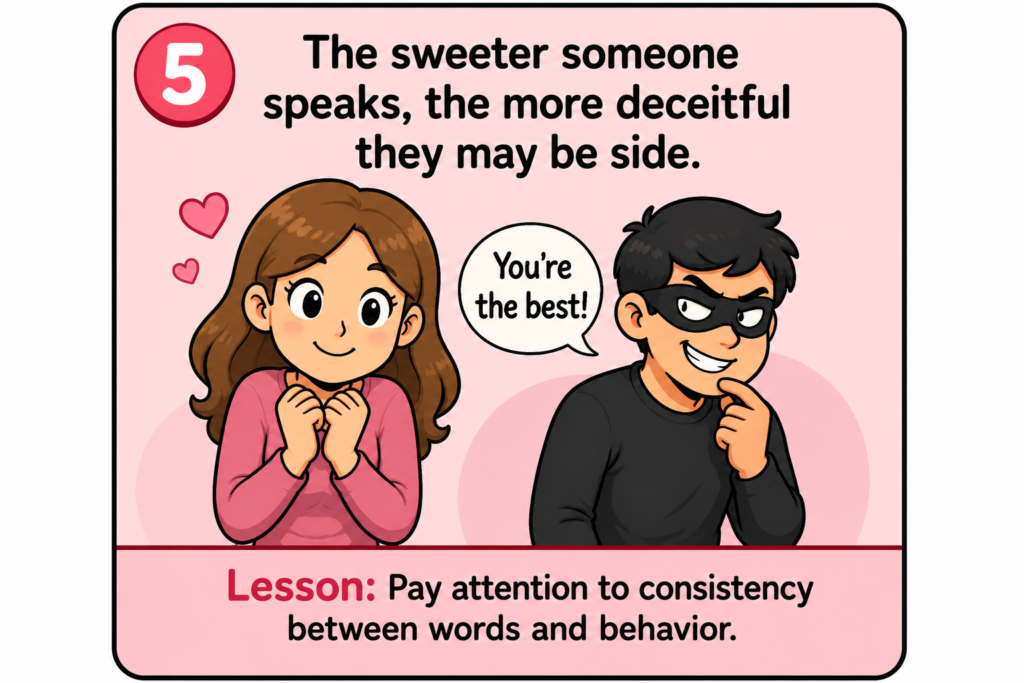
Genuine kindness still exists, and many people are sincere in their words and actions.
Lesson: Pay attention to consistency between words and behavior.
6. The More a Person Complains, the Weaker They Are
People complain for many reasons. Sometimes it’s negativity, but other times it’s a healthy way of expressing stress, frustration, or emotional pain.
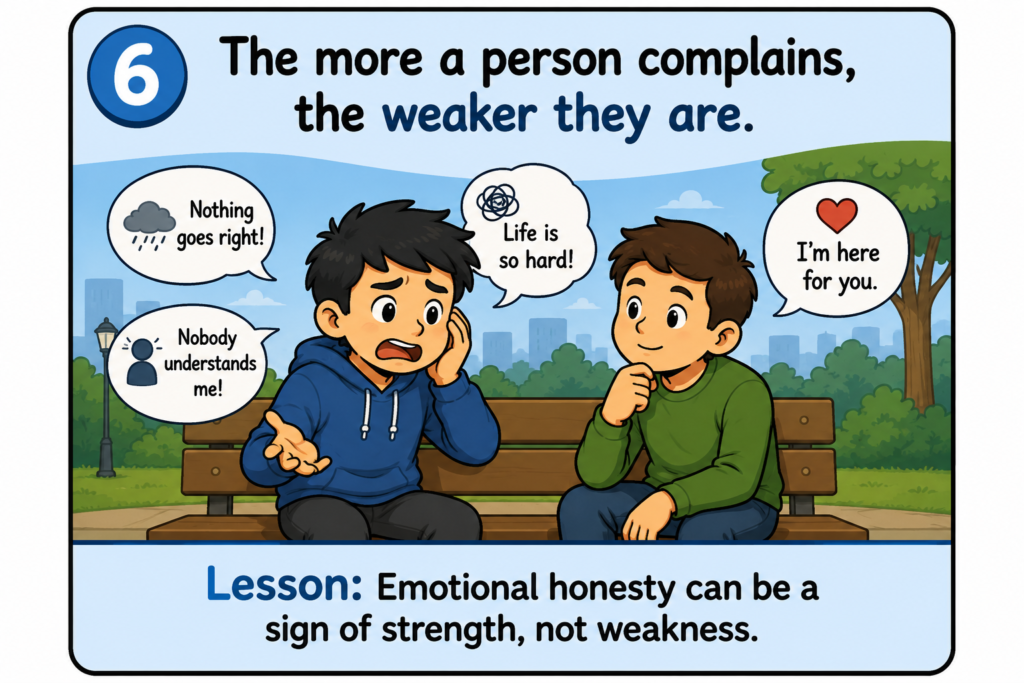
Strong people can struggle too, and asking for support doesn’t make someone weak.
Lesson: Emotional honesty can be a sign of strength, not weakness.
7. The One Who Makes Fun of Poverty Has a Dirty Heart
Mocking people for their financial struggles often reflects a lack of empathy and understanding.
Everyone faces different challenges in life, and poverty is often influenced by circumstances beyond a person’s control.
Compassion and respect are qualities that build stronger communities.
Lesson: Treat every person with dignity, regardless of their financial situation.
Final Thoughts
These statements contain small pieces of truth, but they should never be treated as universal rules.
Human behavior is influenced by personality, experiences, culture, environment, and countless other factors.
The most important lesson from psychology is this:
- Avoid judging people based on stereotypes
- Observe their actions
- Understand their circumstances
- Remember that every individual is unique