
Cats are among the most beloved pets in the world, yet many of their behaviors remain a mystery. From their unique biology to surprising instincts, cats have fascinating traits that set them apart from other animals.
Here are eight interesting cat facts that might change the way you see your feline friend.
1. Cats Cannot Taste Sweetness
Unlike humans and most other mammals, cats cannot taste sweet flavors. Scientists believe this is because cats lack the functional taste receptors needed to detect sweetness.

Since cats are natural carnivores, they never evolved a need to enjoy sugary foods.
2. Most Male Cats Are Left-Pawed
Just as some humans are left-handed, many male cats tend to favor their left paw when performing tasks.
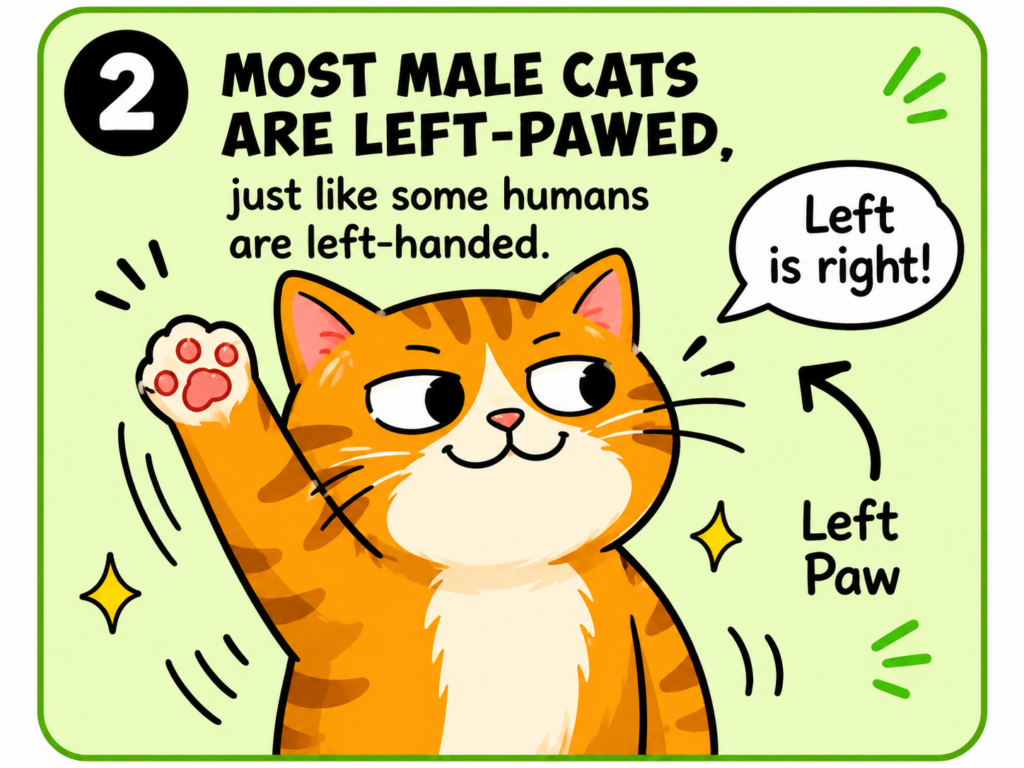
Female cats, on the other hand, are more likely to prefer their right paw. This shows that paw preference exists in animals too.
3. Cats Dislike Citrus Smells
Many cats naturally avoid strong citrus scents such as oranges, lemons, and limes.

This is why citrus peels are sometimes used as a natural deterrent to keep cats away from certain areas or plants.
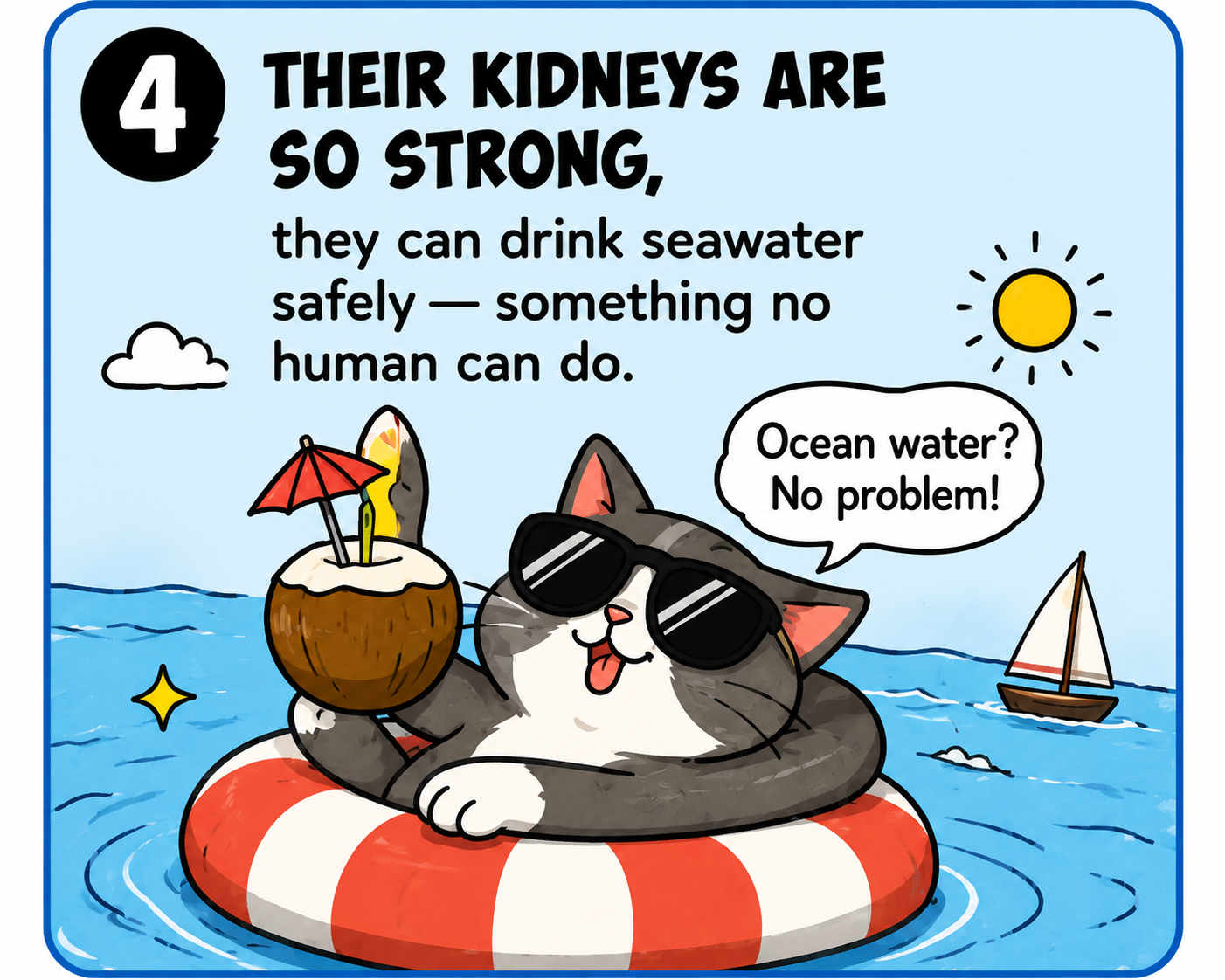
4. Cats Have Remarkably Efficient Kidneys
Cats evolved in dry environments and developed highly efficient kidneys that help conserve water.

While their bodies can process salt better than humans, seawater should never be intentionally given to pet cats because excessive salt can still be harmful.
5. Sick or Injured Cats Often Hide
If your cat suddenly disappears or starts hiding more than usual, it could be a sign that something is wrong.
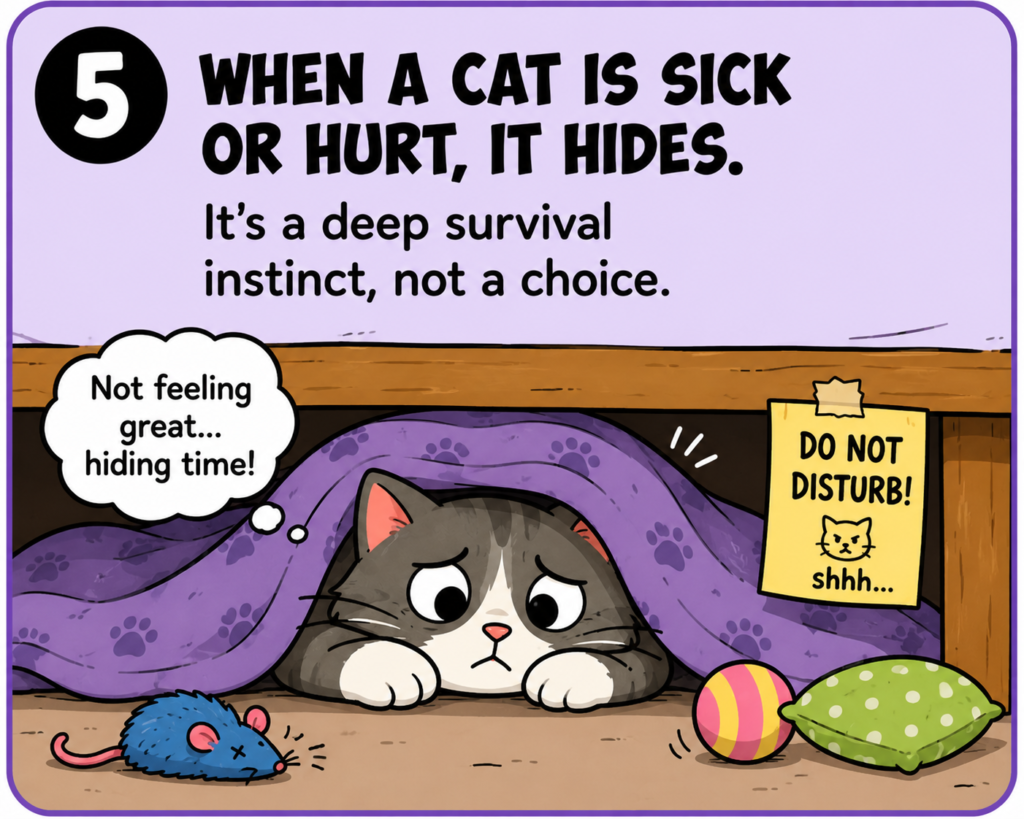
In the wild, showing weakness can make an animal vulnerable, so cats instinctively hide when they feel sick, injured, or stressed.
6. Your Cat Loves Watching You
Have you ever noticed your cat following you from room to room? While it may seem random, many cats simply enjoy observing their favorite human.

To them, you are often the most interesting thing happening in the house.
7. Cats Sleep Near Their Owners for Comfort
Some cats choose to sleep beside their owners because they feel safe and secure.
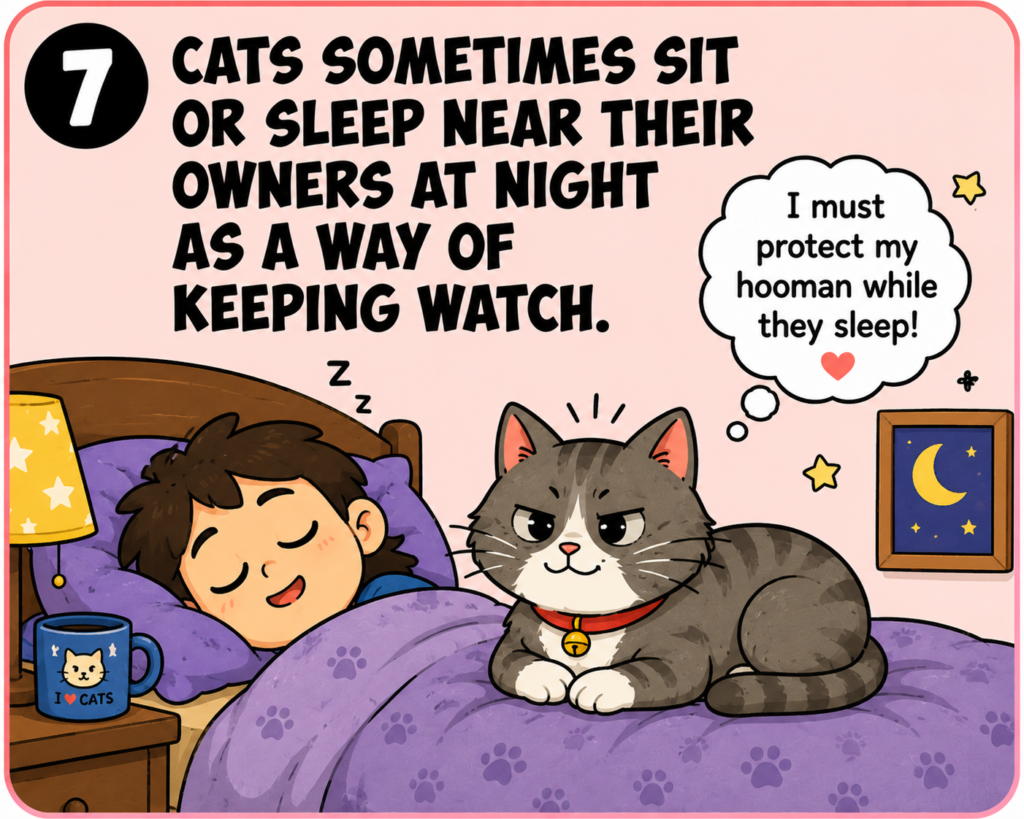
This behavior may also be a sign of trust and affection. Your cat sees you as part of its family and enjoys being close to you.
8. A Cat’s Purr May Help Promote Healing
A cat’s purr usually ranges between 25 and 150 Hertz, frequencies that researchers believe may support bone strength and tissue repair.
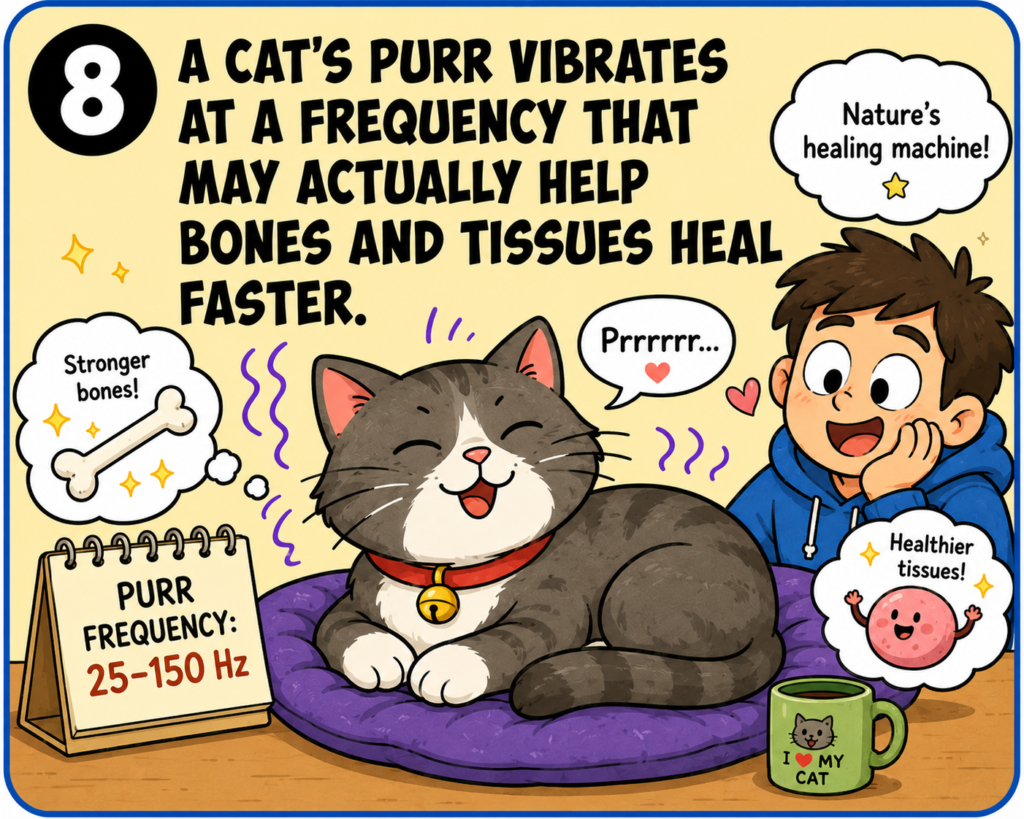
While more studies are needed, this could explain why purring is often associated with comfort and recovery.
Final Thoughts
Cats are far more complex than they appear. Their unique senses, instincts, and behaviors have been shaped by thousands of years of evolution.
Whether they are following you around the house, curling up beside you at night, or purring softly on your lap, every action reveals something fascinating about these remarkable animals.
If you share your home with a cat, there’s still plenty more to discover about your furry companion.