

Family shapes how we see ourselves, how we trust others, and how we handle emotions. While every family is different, certain experiences leave lasting patterns that can follow people into adulthood.
These insights aren’t true for everyone, but many people recognize parts of their own story in them.
1. The Quietest Child Often Saw the Most
Not every quiet child is shy. Sometimes, silence develops because a child grows up in an environment filled with conflict, tension, or unpredictability.
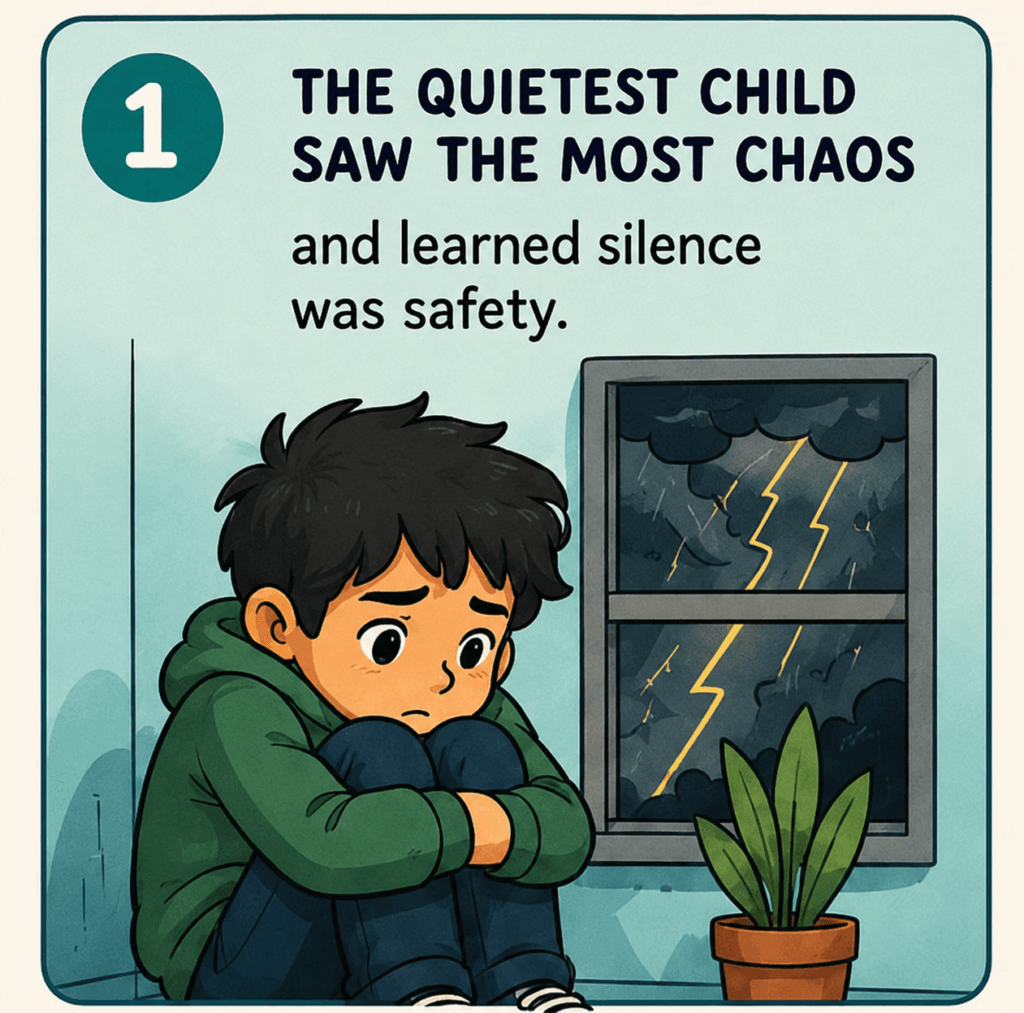
They learn that speaking up may lead to criticism, arguments, or unwanted attention.
Over time, staying silent feels safer than expressing themselves.
2. The “Strong” Family Member Didn’t Choose the Role
Every family seems to have a person who handles problems, supports others, and keeps everything together.
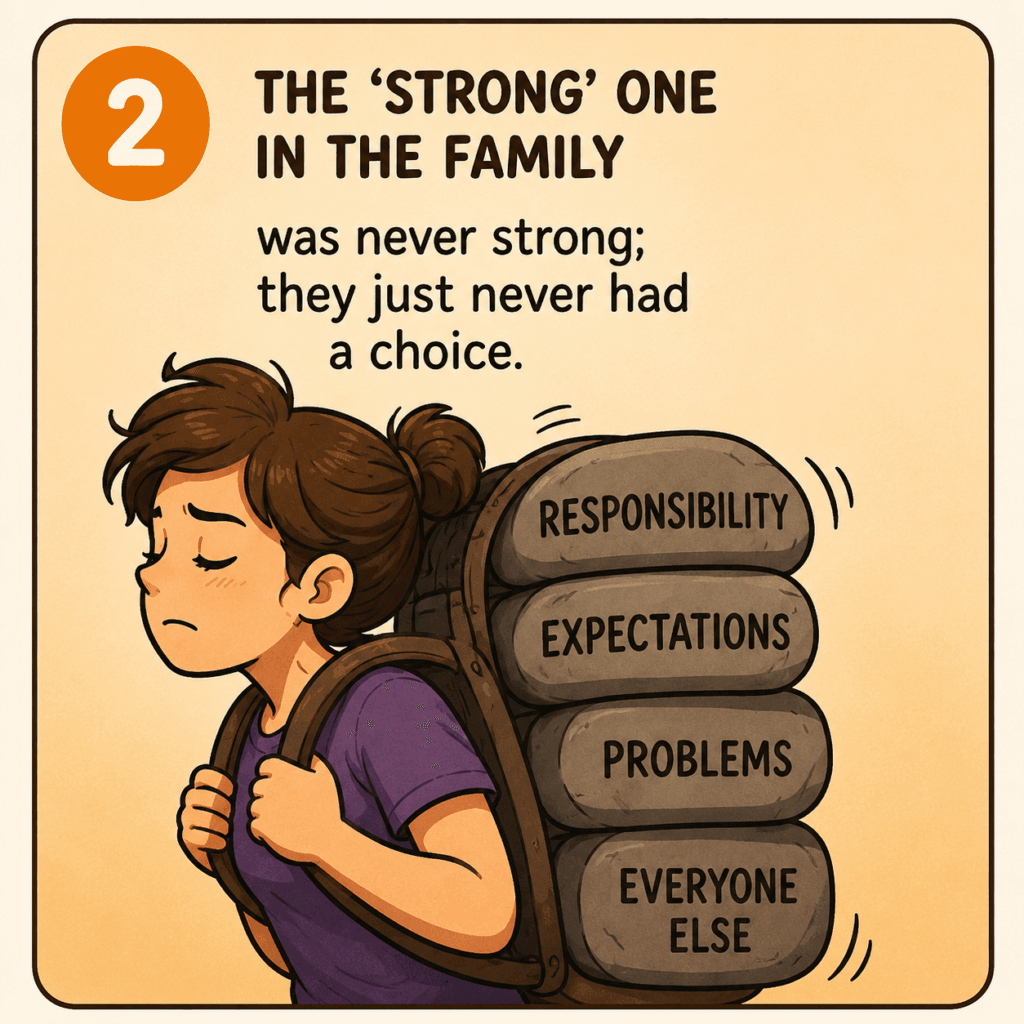
From the outside, they appear strong. But many became strong because they had no other option.
When responsibility arrives too early, strength becomes a survival skill rather than a choice.
3. Guilt Is Not the Same as Love
Parents often make sacrifices for their children, and those sacrifices deserve appreciation.
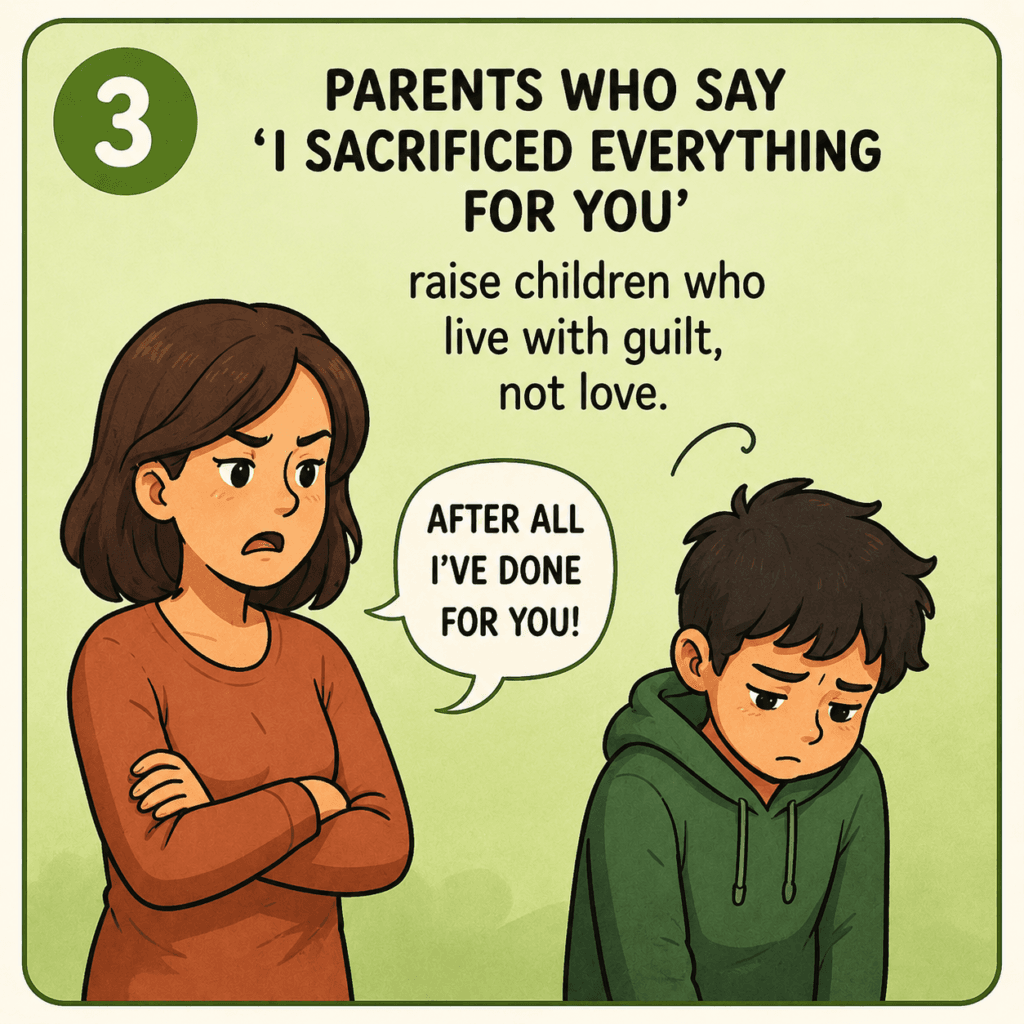
However, constantly reminding children of those sacrifices can unintentionally create guilt instead of genuine connection.
Healthy love inspires gratitude, not emotional debt.
4. The Person Who Distances Themselves May Be Emotionally Exhausted
Some people seem cold or detached from family gatherings and relationships.
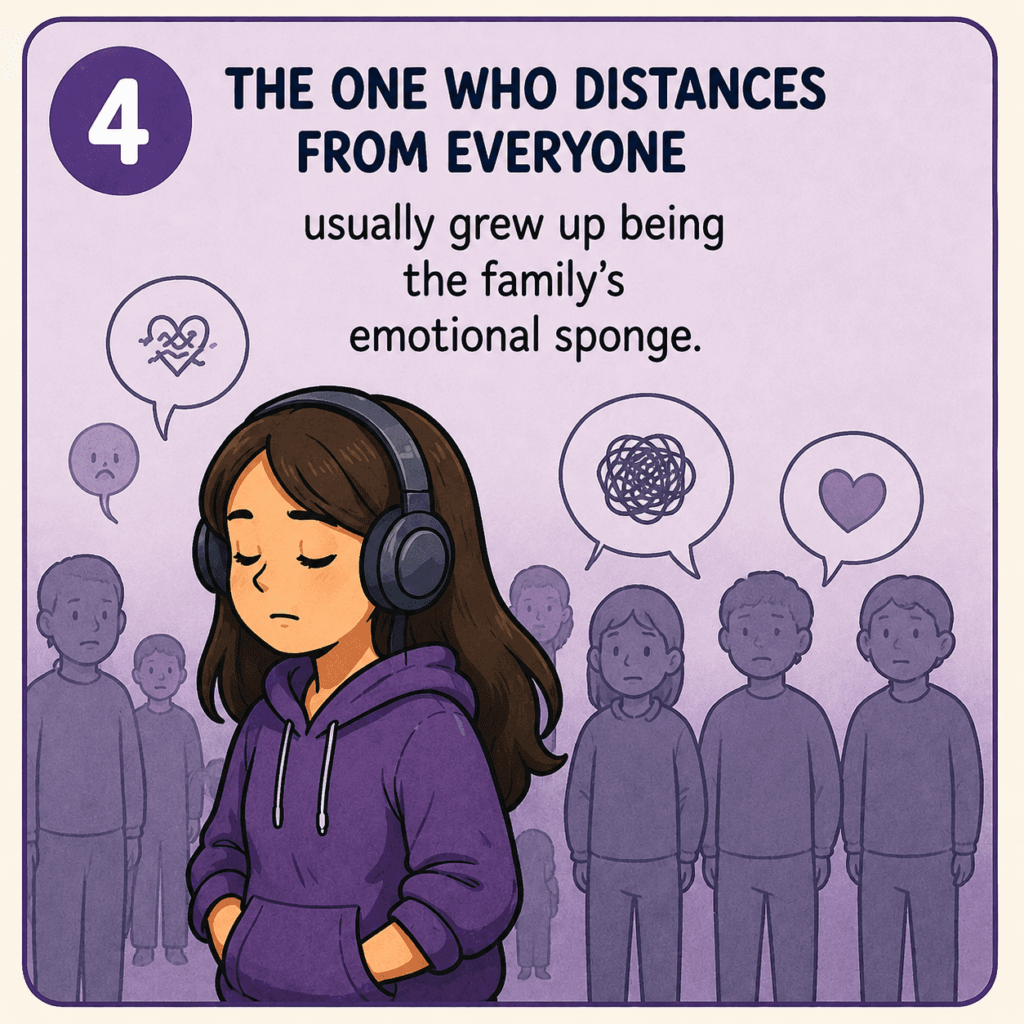
In reality, they may have spent years carrying everyone’s emotional problems, acting as the family therapist, mediator, or peacemaker.
Distance can sometimes be an attempt to protect their own mental well-being.
5. Humor Can Be a Coping Mechanism
Many siblings joke about difficult childhood experiences.
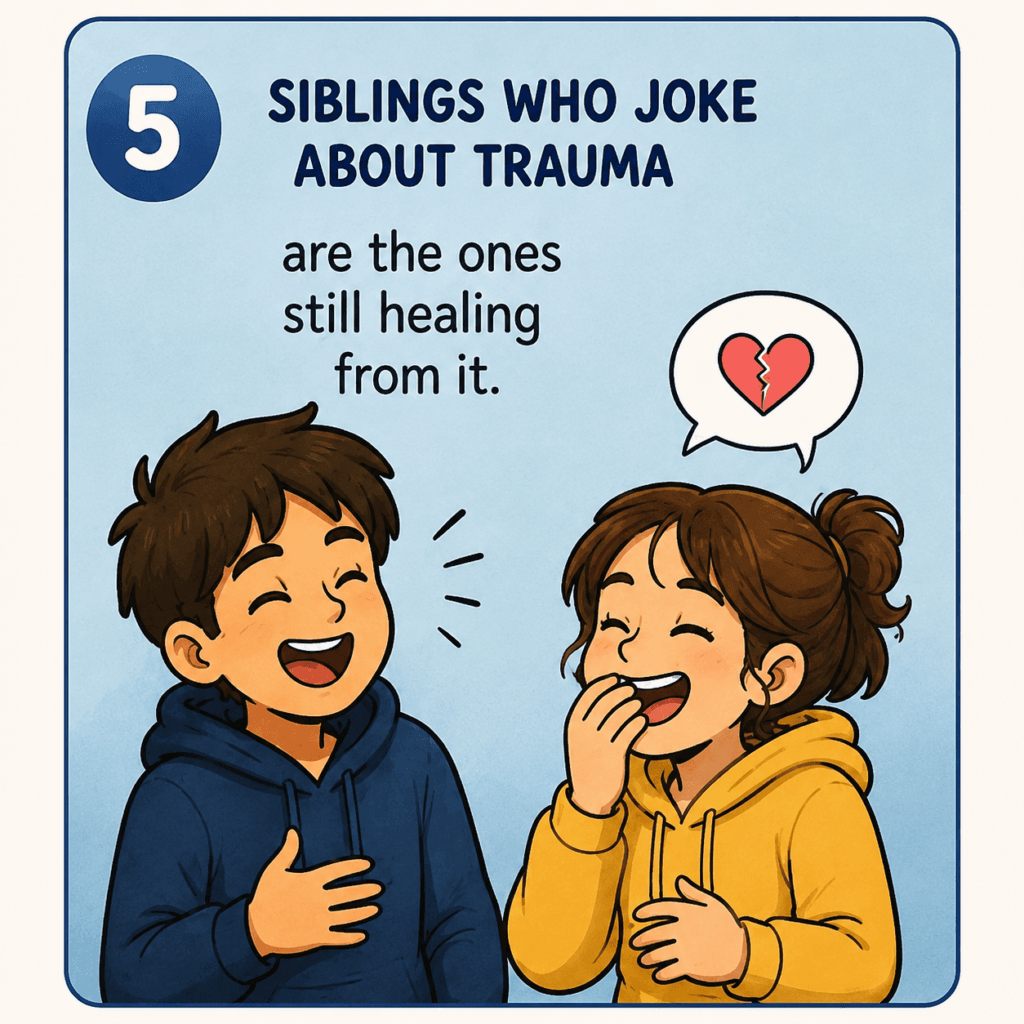
While laughter can be healing, it can also be a way to discuss painful memories without fully confronting the emotions behind them.
Sometimes, the funniest stories hide the deepest wounds.
6. Ignored Feelings Create Self-Doubt
When a child’s emotions are regularly dismissed with phrases like “You’re overreacting” or “Stop being dramatic,” they may begin questioning their own feelings.
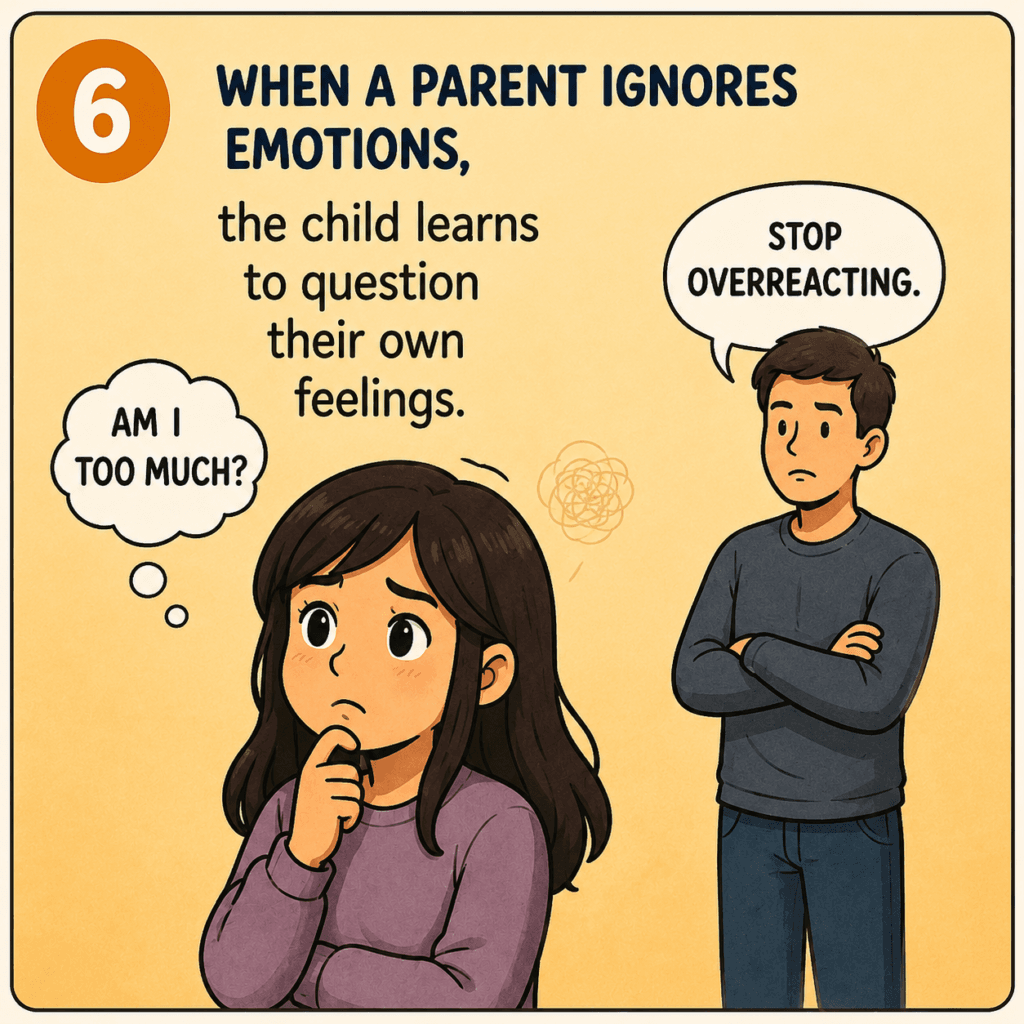
As adults, they often struggle to trust their emotions, needs, and instincts because they learned early that their experiences weren’t taken seriously.
7. Caretakers Often Needed Care Too
The person who constantly checks on everyone else, offers support, and solves problems may have learned those behaviors from their own unmet needs.
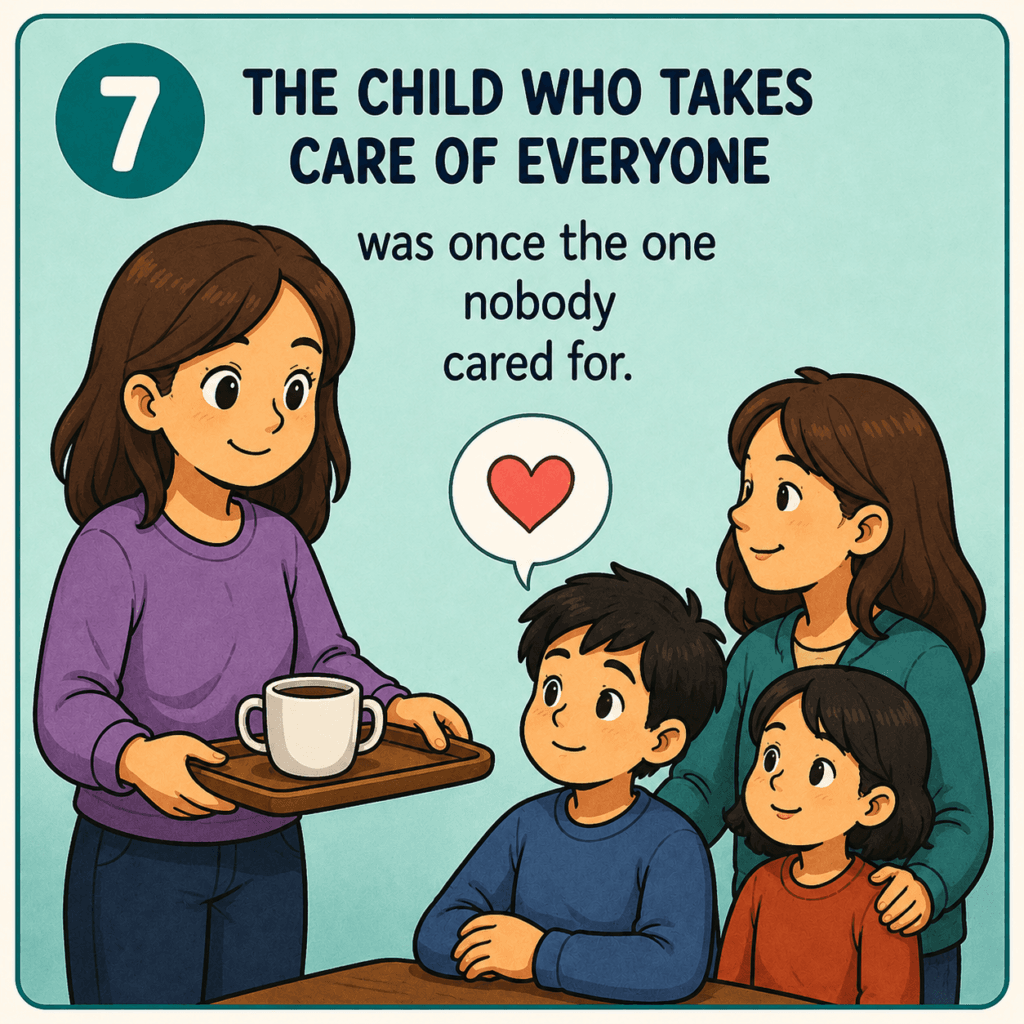
Many people become excellent caregivers because they know what it feels like to need help and not receive it.
8. Peace Can Feel Uncomfortable After Chaos
People who grow up surrounded by constant conflict often dream of a peaceful life.
Yet when they finally experience calmness, it may feel unfamiliar.
Some even mistake peace for boredom because their nervous system became accustomed to stress and unpredictability.
Final Thoughts
Family experiences can leave powerful marks on our beliefs, behaviors, and relationships.
Understanding these patterns isn’t about blaming parents or relatives—it’s about gaining awareness.
The more we understand where our habits and emotional responses come from, the better equipped we are to heal, grow, and build healthier relationships in the future.