

Human behavior is complex. While no rule applies to everyone, certain patterns often appear in relationships, friendships, and everyday interactions.
Understanding these behaviors can help you protect your peace, recognize genuine people, and make better judgments about those around you.
1. The Loudest Congratulations Aren’t Always the Most Genuine
Some people celebrate your success publicly while secretly feeling jealous or threatened by your achievements.

Their words may sound supportive, but their actions, expressions, or behavior afterward can reveal their true feelings.
Lesson: Pay attention to consistent actions, not just compliments.
2. Not Every Helping Hand Comes From Kindness
While many people genuinely want to help, others may offer assistance because it makes them feel important, powerful, or superior.
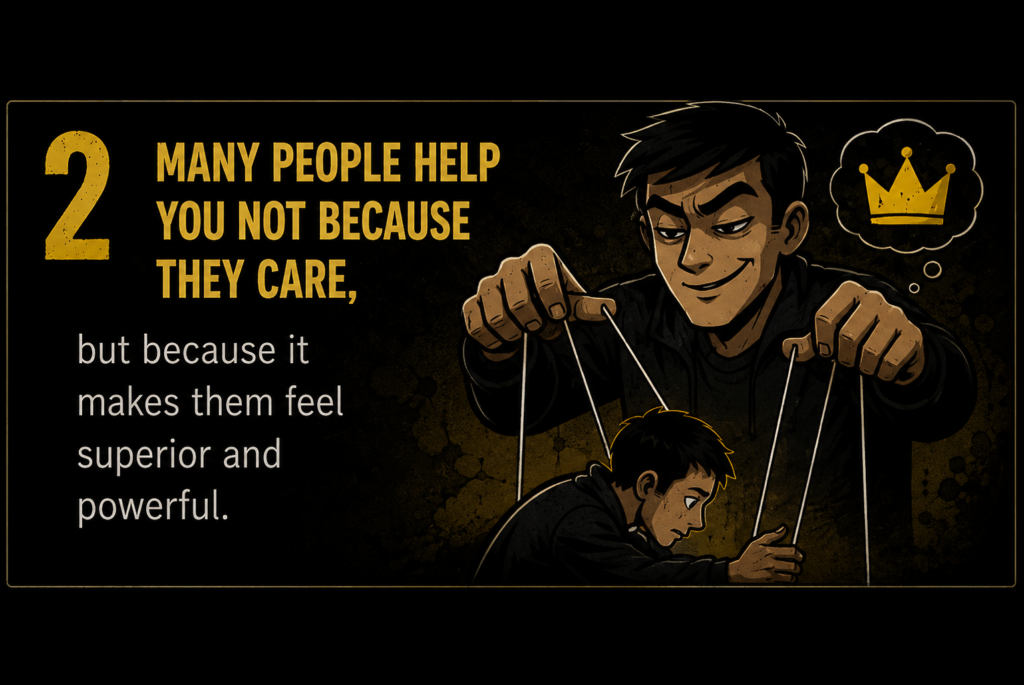
Sometimes helping becomes more about boosting their own ego than supporting someone else.
Lesson: Appreciate help, but understand people’s motivations can vary.
3. Anger Often Reveals Hidden Feelings
When emotions run high, people tend to lower their filters and say things they usually keep inside.
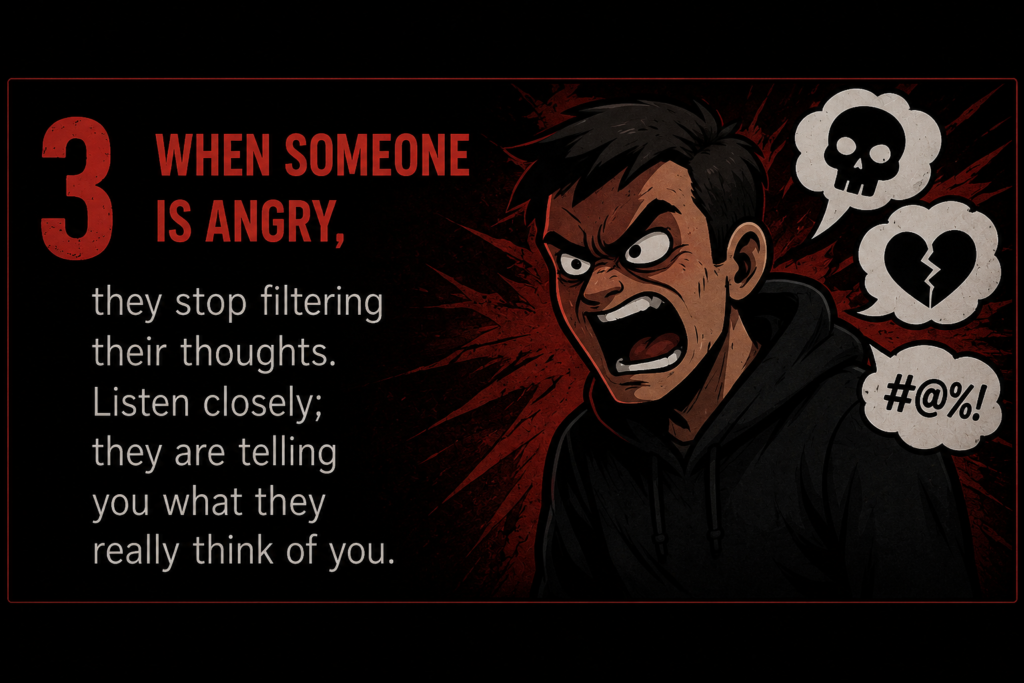
While angry words shouldn’t always be taken literally, they can sometimes reveal underlying frustrations or opinions.
Lesson: Listen carefully during emotional moments, but avoid making permanent judgments based on temporary anger.
4. Difficult Times Reveal True Friends
Many people enjoy being around during good times. However, challenges, failures, or bad news often reveal who genuinely cares.
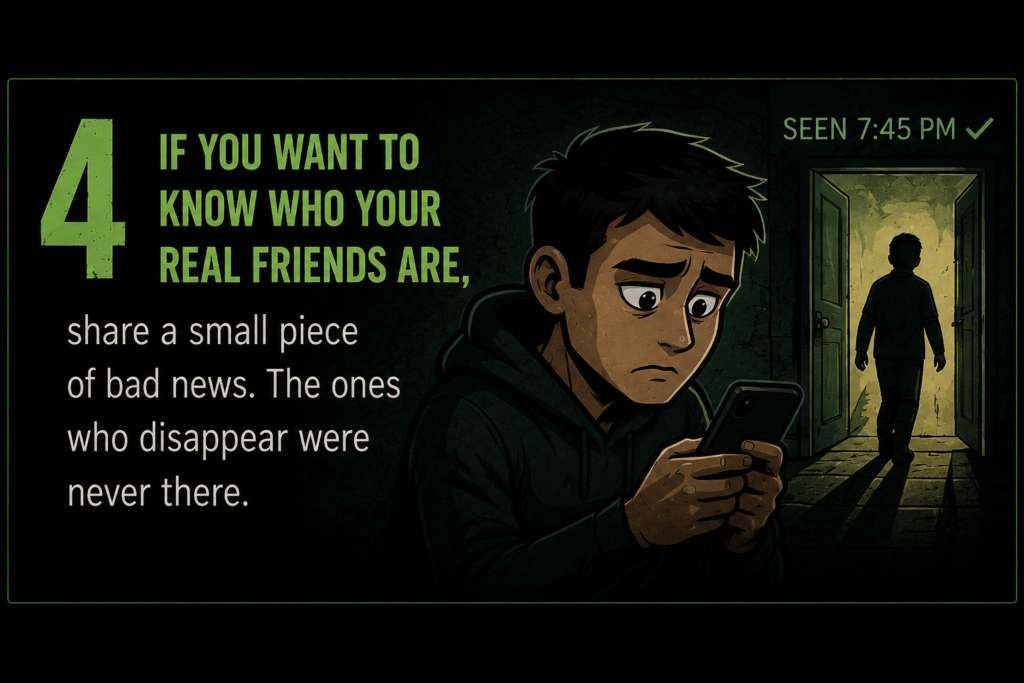
Real friends stay present when things aren’t easy.
Lesson: Hard times often show who values you beyond your success.
5. Gossip Rarely Stops With Other People
Someone who constantly shares other people’s secrets or personal stories may also discuss yours when you’re not around.
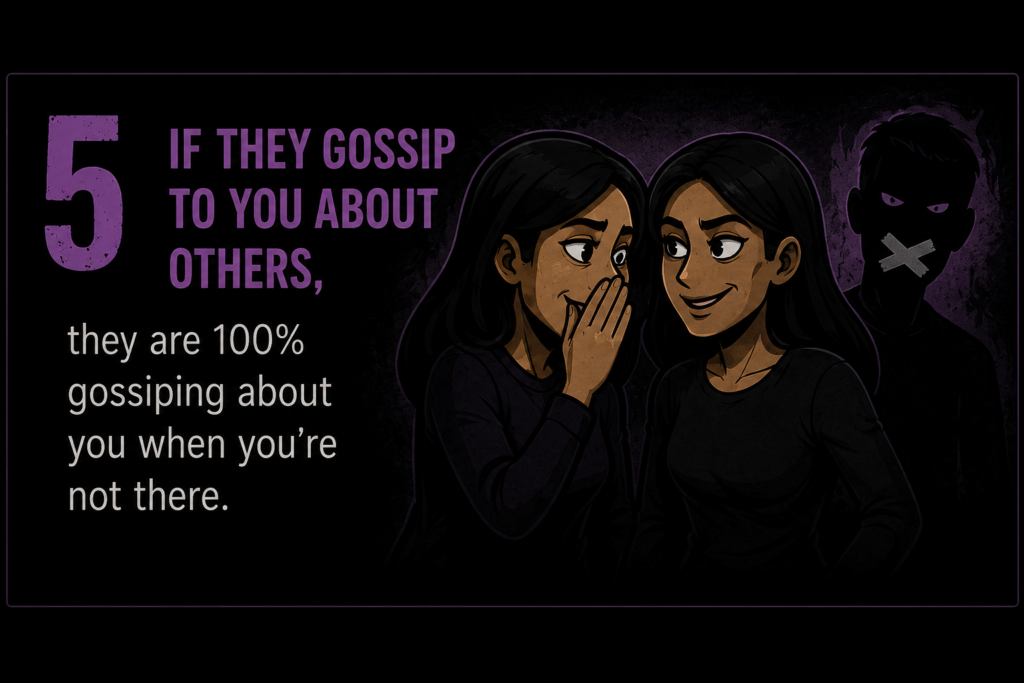
Gossip often reflects a habit, not a one-time behavior.
Lesson: Be cautious about sharing sensitive information with habitual gossipers.
6. Constant Accusations Can Sometimes Be Projection
Psychologists describe a behavior called projection, where people attribute their own thoughts, fears, or actions to others.
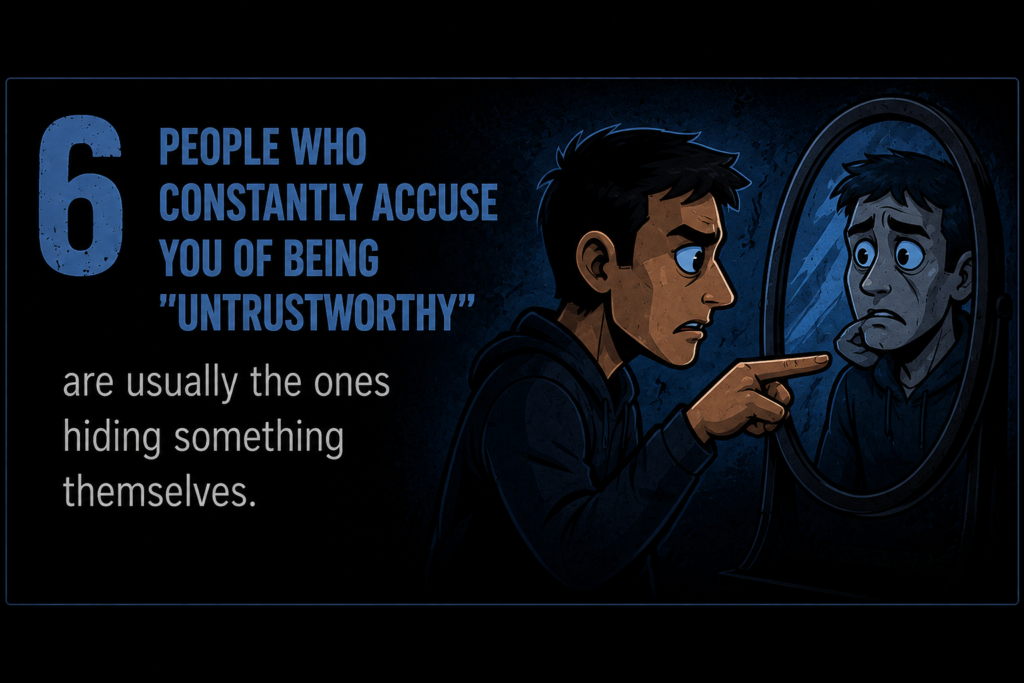
Someone who frequently accuses others of dishonesty may occasionally be struggling with their own trustworthiness.
Lesson: Repeated accusations can sometimes reveal more about the accuser than the accused.
7. Extreme Niceness Can Be a Warning Sign
Most friendly people are genuine. However, when someone becomes intensely charming or overly friendly immediately after meeting you, it can occasionally be a strategy to gain trust quickly.
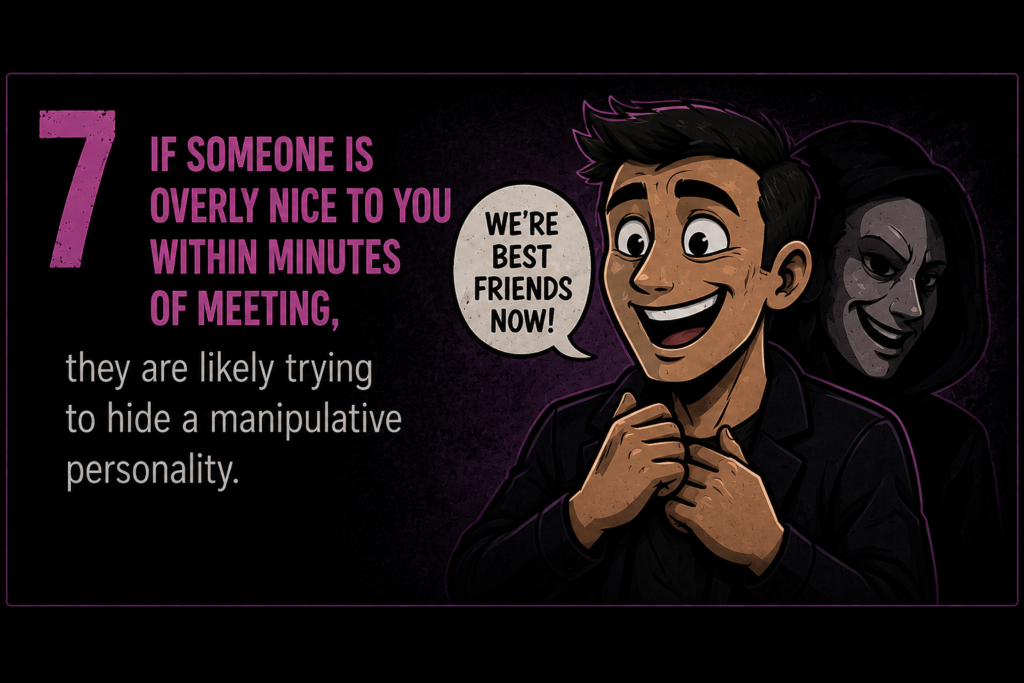
Lesson: Healthy relationships develop naturally over time.
8. The Need to Show Off Often Hides Insecurity
People who constantly advertise their wealth, status, or luxury lifestyle may be seeking validation.

True confidence usually doesn’t require constant proof.
Lesson: Confidence is often quiet; insecurity is often loud.
9. A Favor Isn’t Really a Favor If It’s Used as Leverage
A person who repeatedly reminds you about something they did for you years ago may not be helping out of kindness.
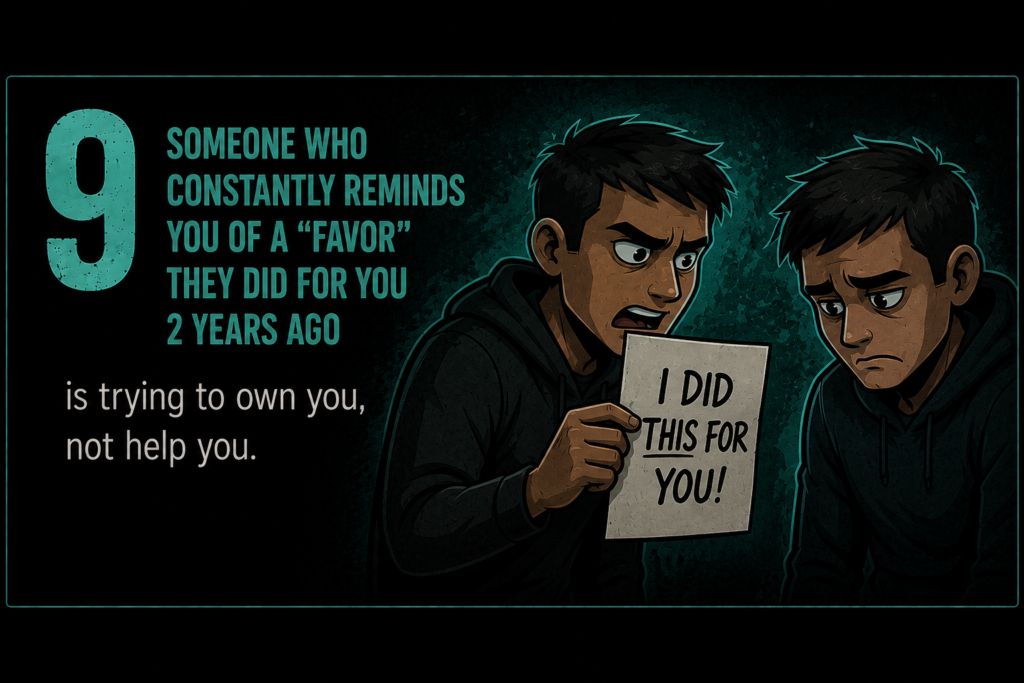
Instead, they may be trying to create a sense of obligation or control.
Lesson: Genuine generosity doesn’t keep score.
Final Thoughts
These observations should not be treated as universal truths. Every person is different, and human behavior is influenced by emotions, experiences, and circumstances.
The goal is not to become suspicious of everyone, but to become more aware of patterns that can help you build healthier relationships and avoid manipulation.
The strongest relationships are built on trust, consistency, honesty, and mutual respect—qualities that reveal themselves through actions over time, not just words.