
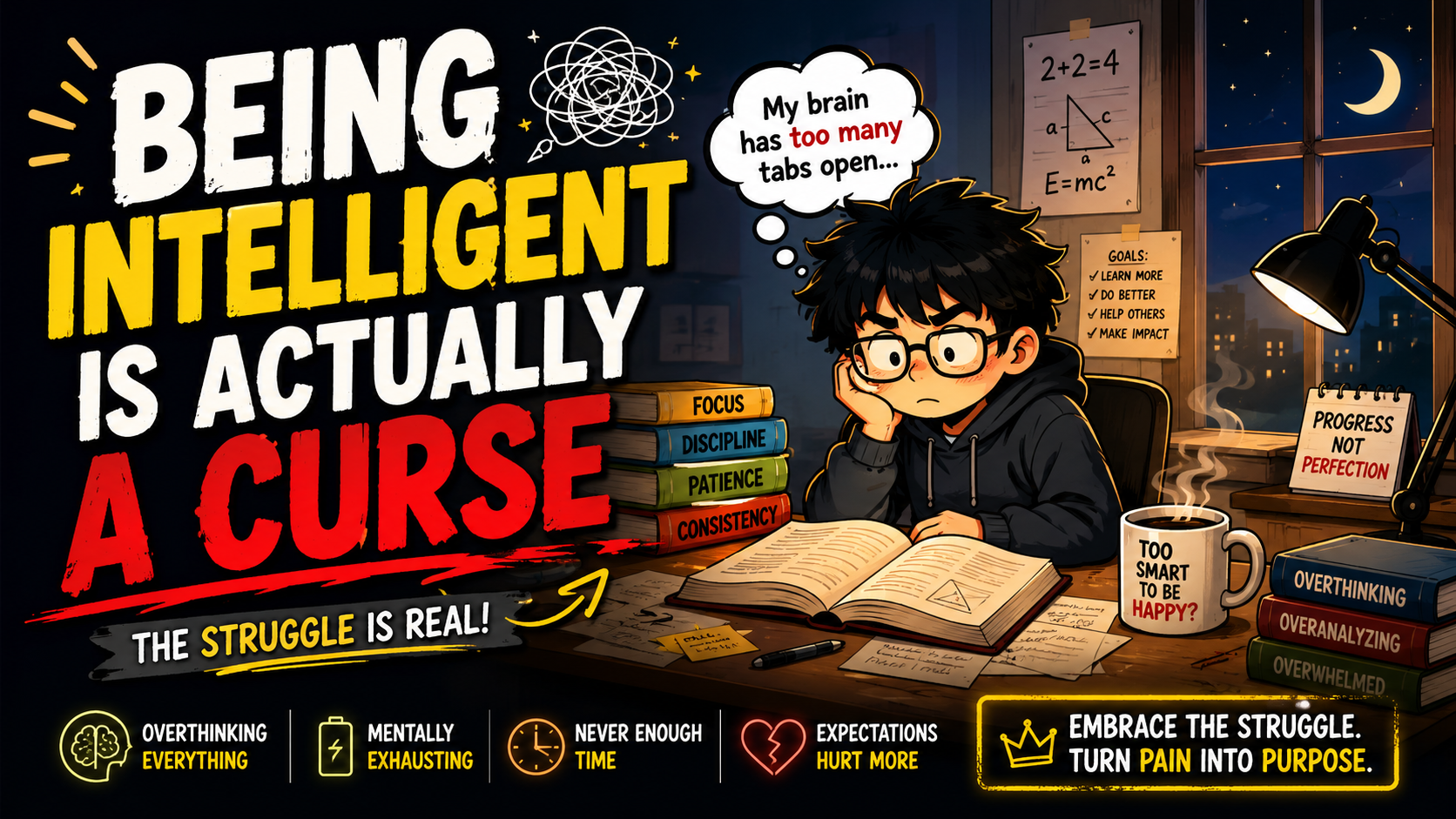
Many people see intelligence as a gift — the ability to think deeply, solve problems, and understand things quickly.
But for some, being highly intelligent can also feel like a burden.
While intelligence opens doors, it may also come with emotional struggles, overthinking, and feelings of loneliness.
Here are some reasons why intelligence can sometimes feel like both a blessing and a curse.
Struggling to Find Genuine Connections
1. Difficulty Connecting Deeply
Highly intelligent people may find it hard to connect with others on a deeper level.
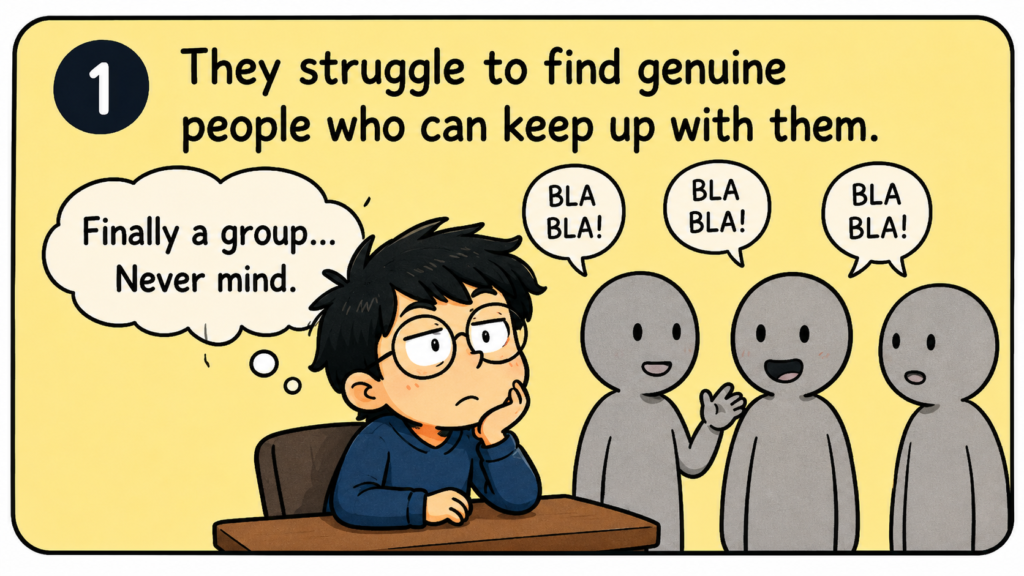
They often crave meaningful conversations, shared curiosity, or emotional depth.
This can make surface-level relationships feel unsatisfying and lead to feelings of isolation or being misunderstood.
Overthinking Everything
2. Analyzing Every Angle
Intelligent minds tend to replay conversations, imagine outcomes, and question decisions.
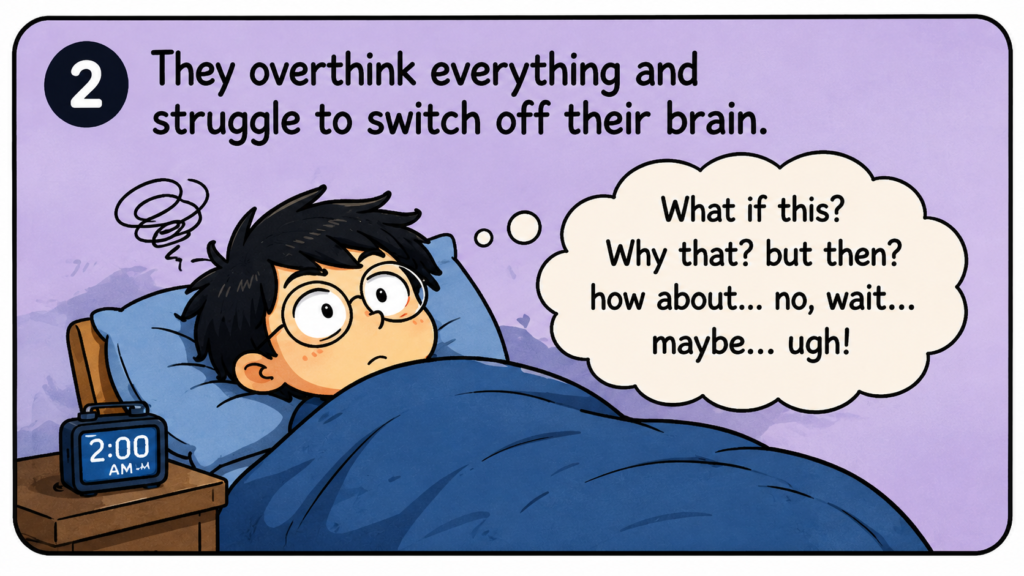
While this helps solve problems, it can also create anxiety and mental exhaustion.
Everyday Conversations May Feel Unstimulating
3. Seeking Deeper Topics
Some intelligent individuals get bored quickly with repetitive or shallow conversations.
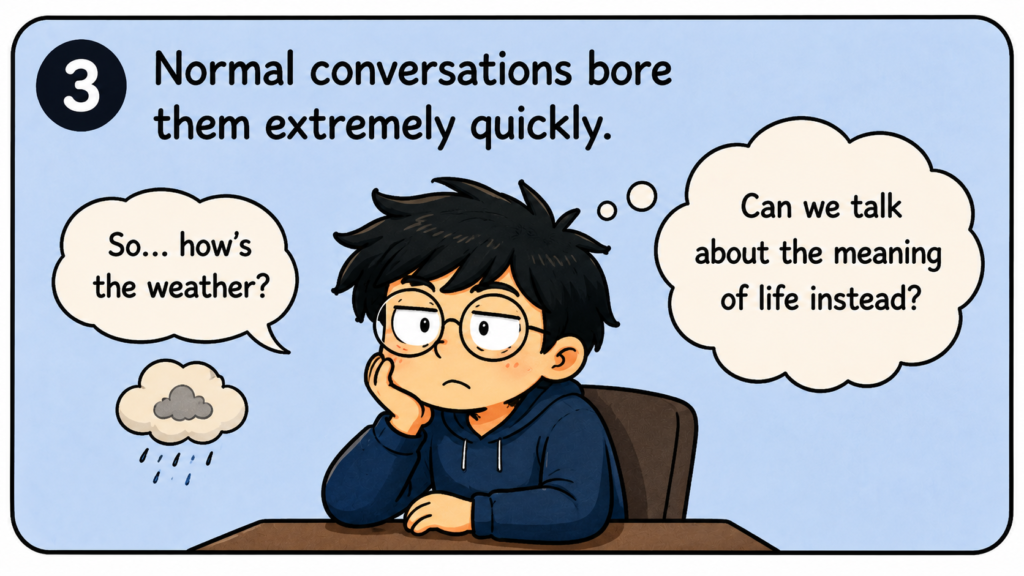
They naturally gravitate toward discussions about ideas, life, psychology, or other deeper topics.
This can make small talk feel draining.
Seeing Problems — and Solutions — Everywhere
4. Constant Mental Activity
Highly observant people often notice details others miss.
They quickly spot flaws, inefficiencies, or future problems and think of possible solutions.
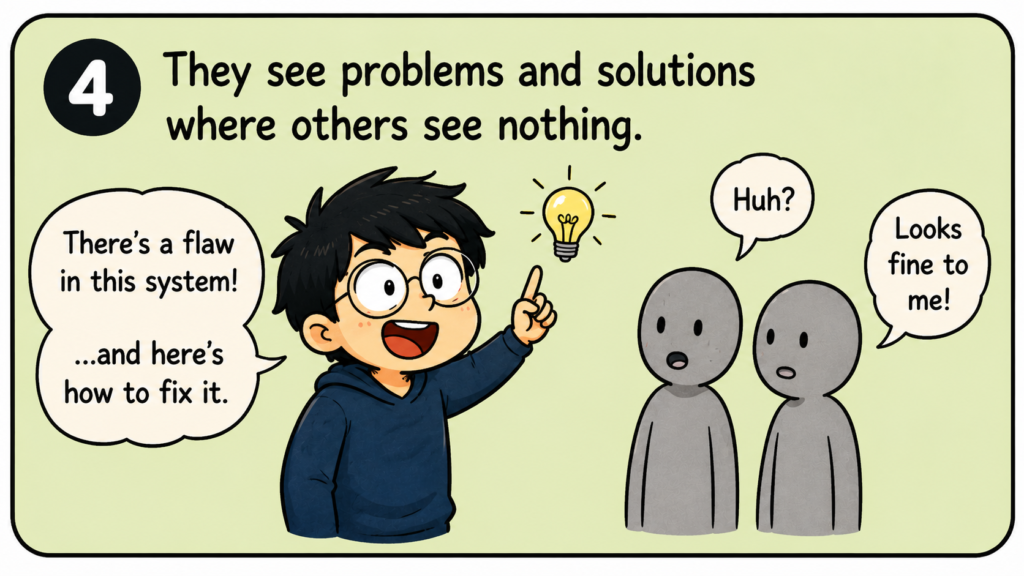
While useful, this can become mentally exhausting because the brain rarely “switches off.”
High Expectations Create Stress
5. Pressure to Succeed
Intelligent people may place immense pressure on themselves to improve, avoid mistakes, or succeed.
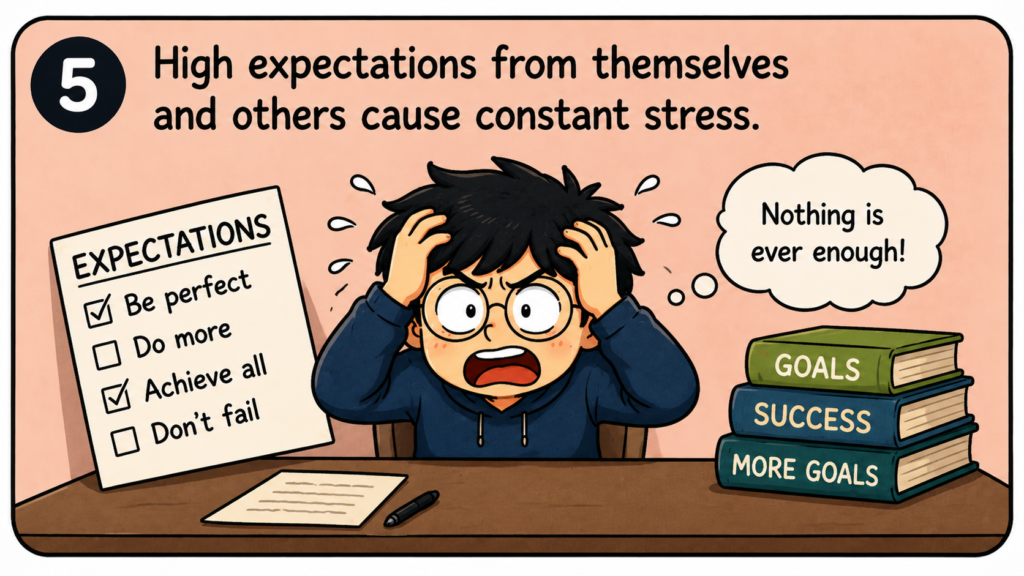
Sometimes, they also expect a lot from others.
When reality doesn’t meet these expectations, stress and frustration can follow.
Feeling Misunderstood
6. Being Different
Friends or family may not always understand how intelligent people think, process emotions, or see the world.
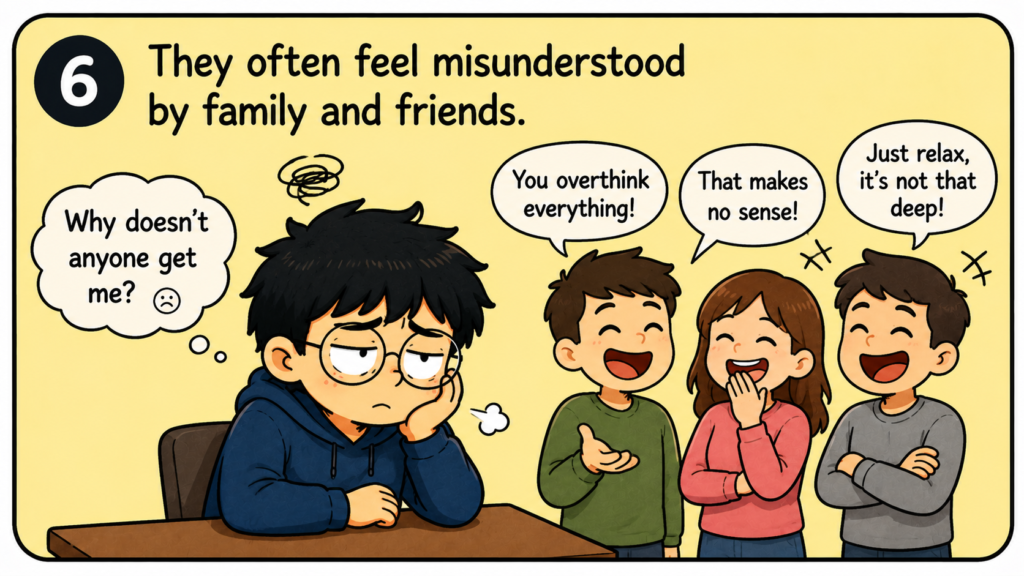
This can create feelings of being “different,” leading to frustration or loneliness.
Perfectionism Can Get in the Way
7. Fear of Mistakes
Wanting everything to be perfect may stop some people from starting or finishing projects.
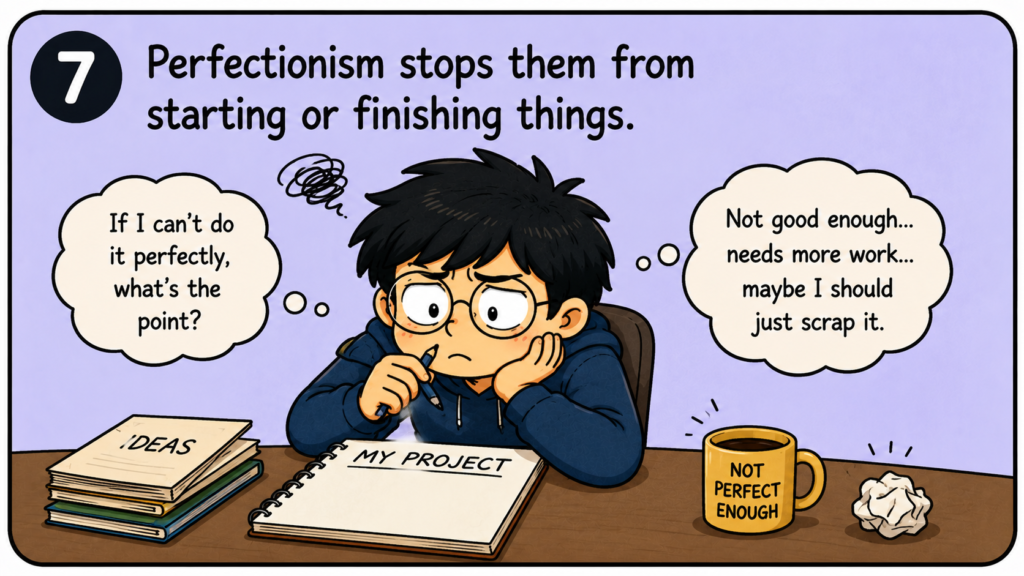
Fear of failure can become a barrier, even for talented individuals.
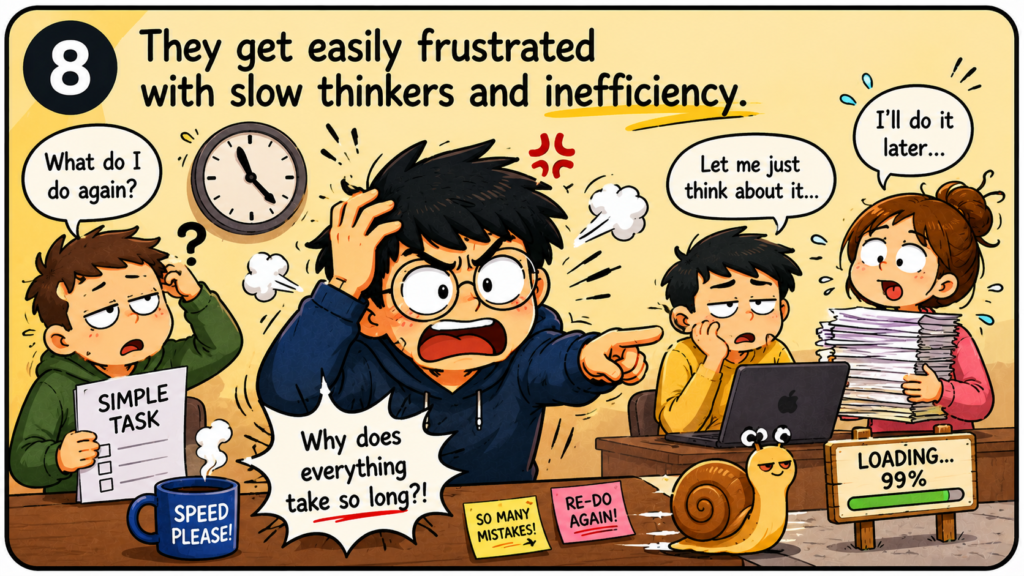
Frustration with Inefficiency
8. Impatience with Slow Progress
Fast thinkers may become impatient when situations move slowly or when others don’t understand quickly.
However, true intelligence also involves patience, empathy, and recognizing different learning styles.
Loneliness and Emotional Depth
9. Seeking Meaningful Connection
Some intelligent people feel lonely because they want deep conversations, emotional understanding, or meaningful relationships.
Connection is less about finding someone identical and more about finding people who genuinely care and understand.
Is Intelligence Really a Curse?
Intelligence itself is not a curse — but some challenges can come with it.
Overthinking, perfectionism, and loneliness are experiences some intelligent people relate to, but they are not universal.
Intelligence becomes powerful when balanced with emotional awareness, patience, and meaningful relationships.
In the end, intelligence can be both a gift and a challenge.
What matters most is learning how to use it in a healthy way — not just to think deeply, but to live fully.
Final Thought
Being intelligent doesn’t automatically mean life is harder or lonelier.
It simply means your mind may work differently.
The real strength comes from balancing deep thinking with peace, connection, and self-understanding.