
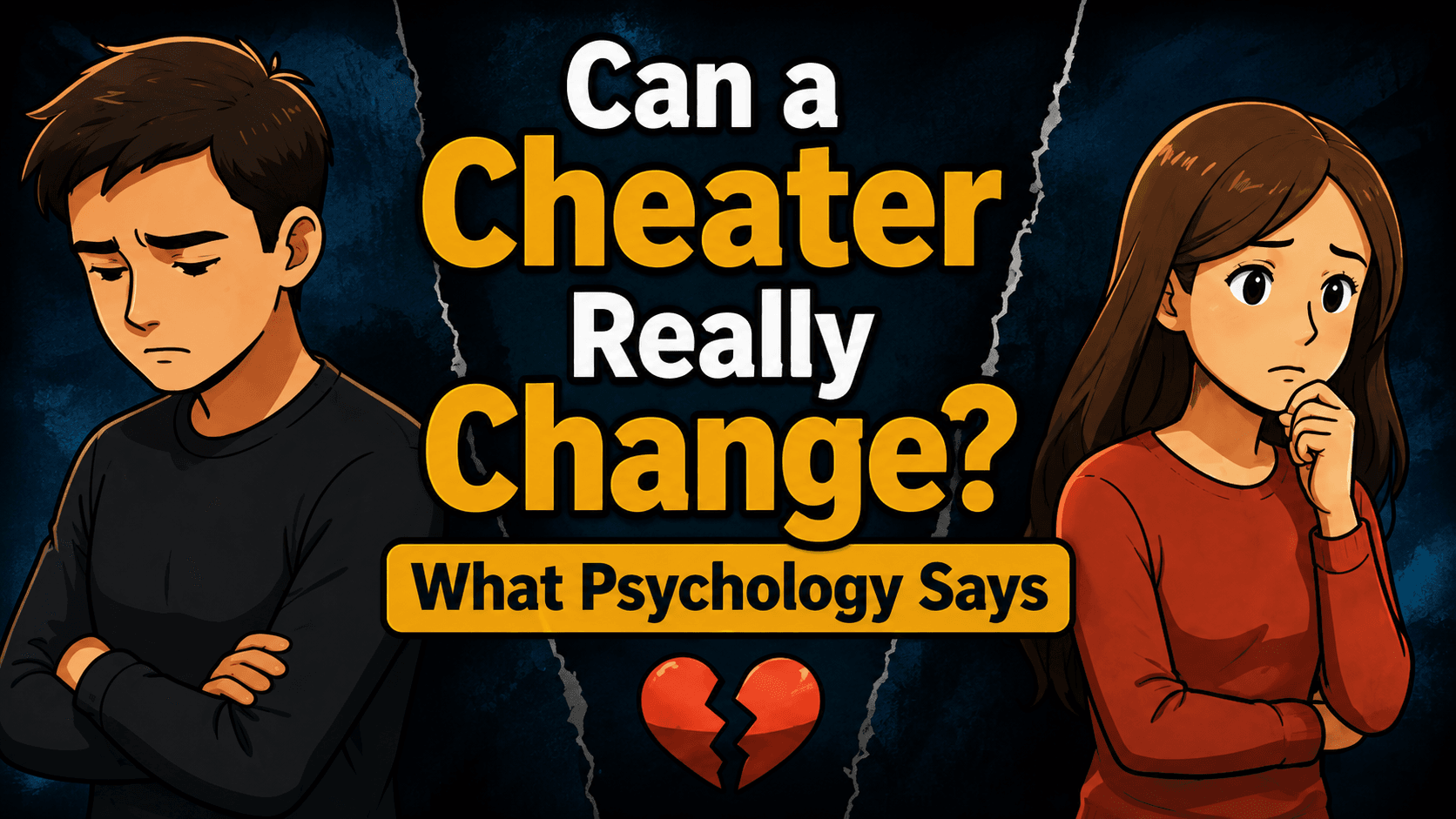
Infidelity is one of the most painful experiences a person can face in a relationship. After trust is broken, one question often follows: “Once a cheater, always a cheater?”
While many believe the answer is yes, psychology suggests the truth is more complex.
Some people repeat the same behavior. Others genuinely change after recognizing the damage they caused.
The difference often comes down to self-awareness, accountability, and a willingness to make lasting changes.
Understanding the Possibility of Change
Here are seven psychological insights that help explain whether a cheater can really change.
1. A Past Mistake Doesn’t Automatically Define the Future
Cheating is a behavior, not a permanent personality trait.

Someone who has cheated before may have a higher chance of cheating again, but it doesn’t mean they are destined to repeat the mistake.
People can grow when they honestly confront their actions instead of making excuses.
2. Real Change Starts With Taking Full Responsibility
Accountability is a strong sign of change.
Blaming alcohol, stress, loneliness, or a partner usually means the real issue hasn’t been addressed.
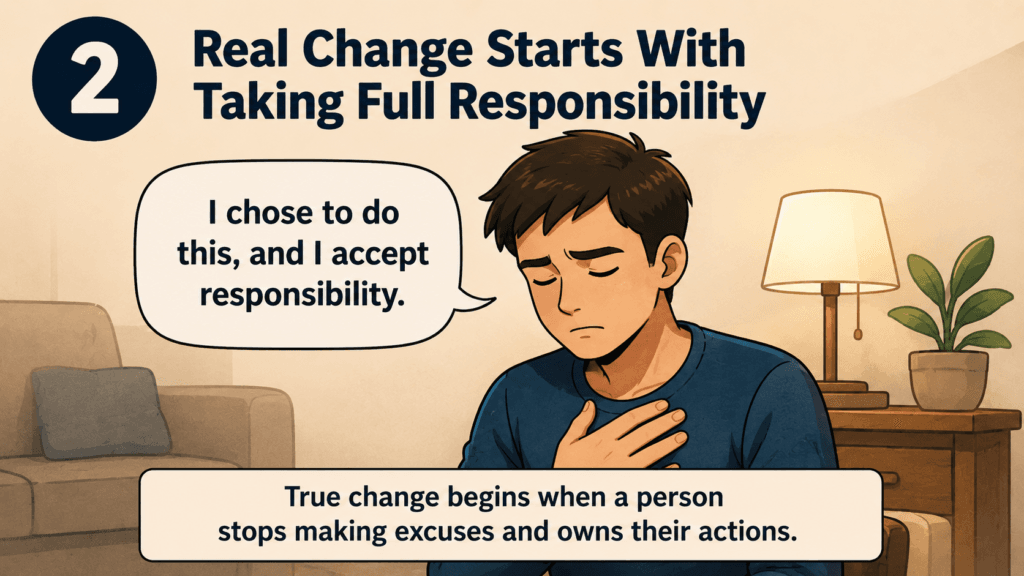
Genuine change begins when a person says, “I chose to do this, and I accept responsibility.”
Without accountability, lasting change is unlikely.
3. Understanding Why They Cheated Matters
People cheat for different reasons:
- Poor impulse control
- Seeking validation
- Avoiding conflict
- Unhappiness in the relationship
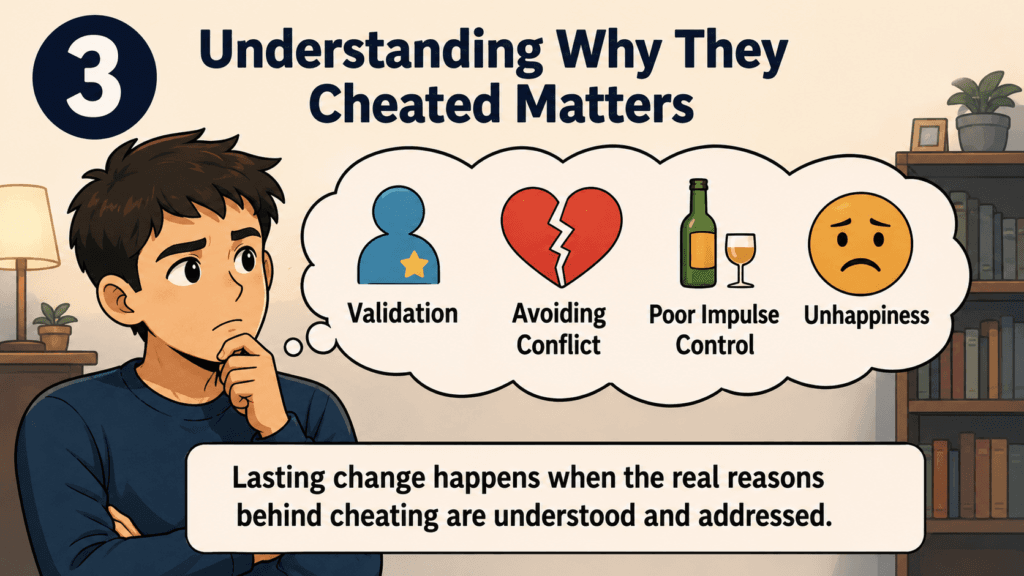
Understanding the root cause is essential because lasting change requires addressing the underlying problem—not just promising never to cheat again.
Rebuilding Trust and Lasting Change
4. Trust Is Rebuilt Through Consistent Actions
Apologies alone don’t restore trust.
Psychology shows trust returns gradually when daily actions consistently match words.
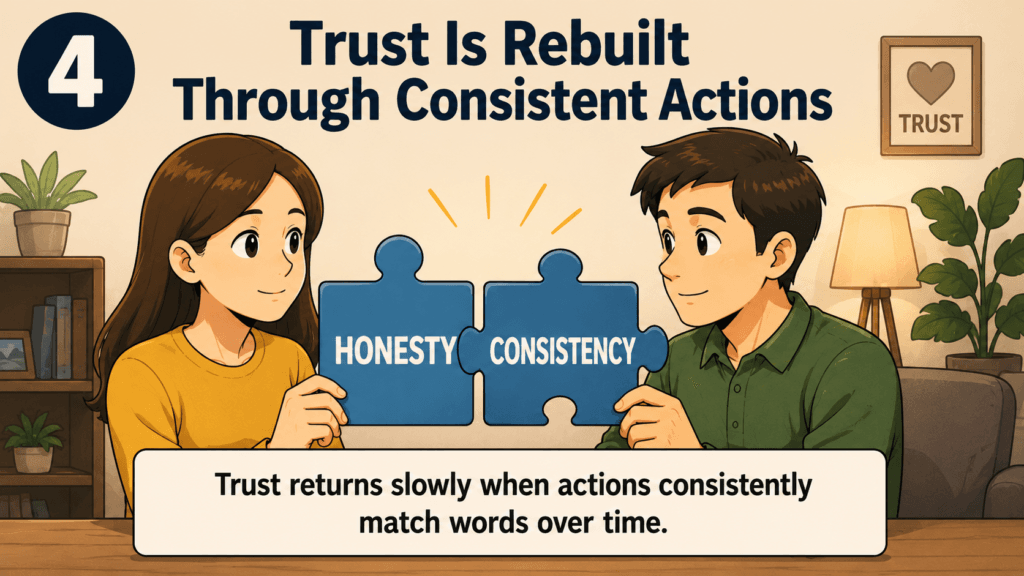
Honesty, transparency, and reliability over time matter far more than emotional promises made immediately after betrayal.
5. True Change Usually Takes Time
Lasting behavioral change rarely happens overnight.
People who genuinely change often spend months or years working on themselves through:
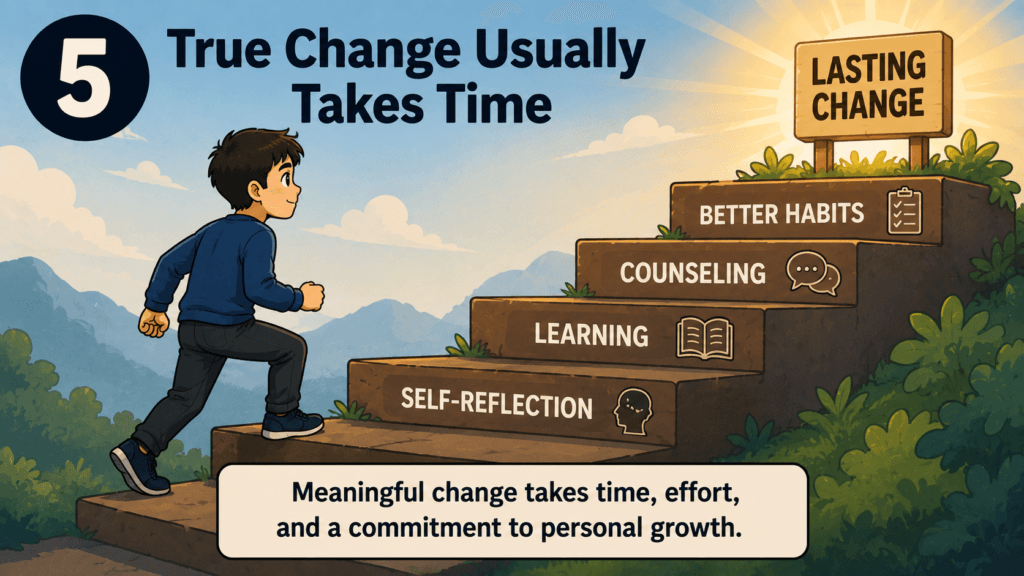
- Reflection
- Counseling
- Improved communication
- Healthier relationship habits
Quick promises without meaningful effort often fade.
6. Repeated Cheating Is a Serious Warning Sign
One mistake doesn’t guarantee another, but repeated infidelity often points to deeper unresolved patterns.
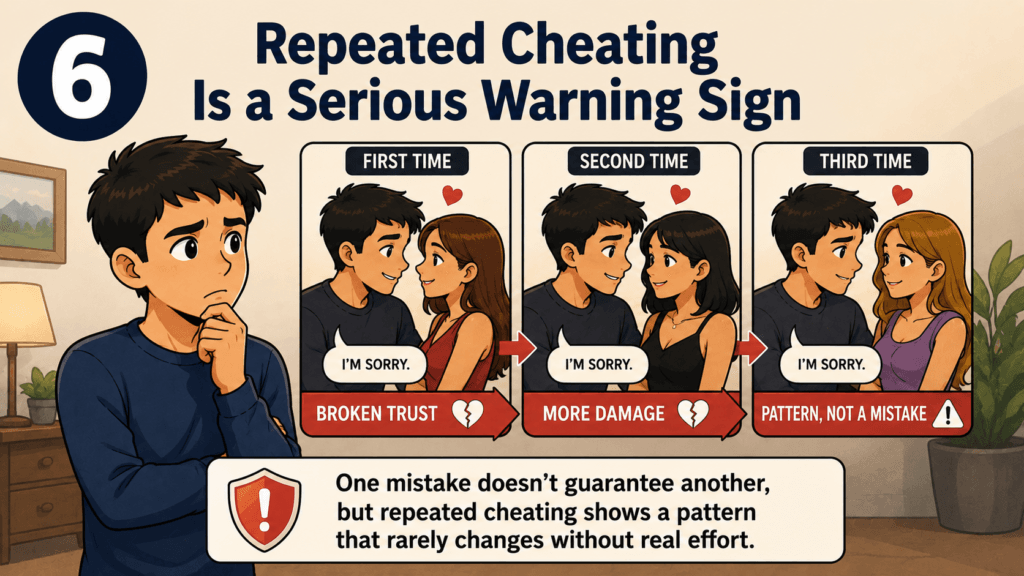
Someone who cheats repeatedly without remorse or effort to change is more likely to continue the behavior.
Patterns are more informative than isolated incidents.
Moving Forward After Infidelity
7. Forgiveness and Reconciliation Are Different Decisions
Forgiving someone can help you heal emotionally.
Choosing to continue the relationship depends on whether trust can realistically be rebuilt.
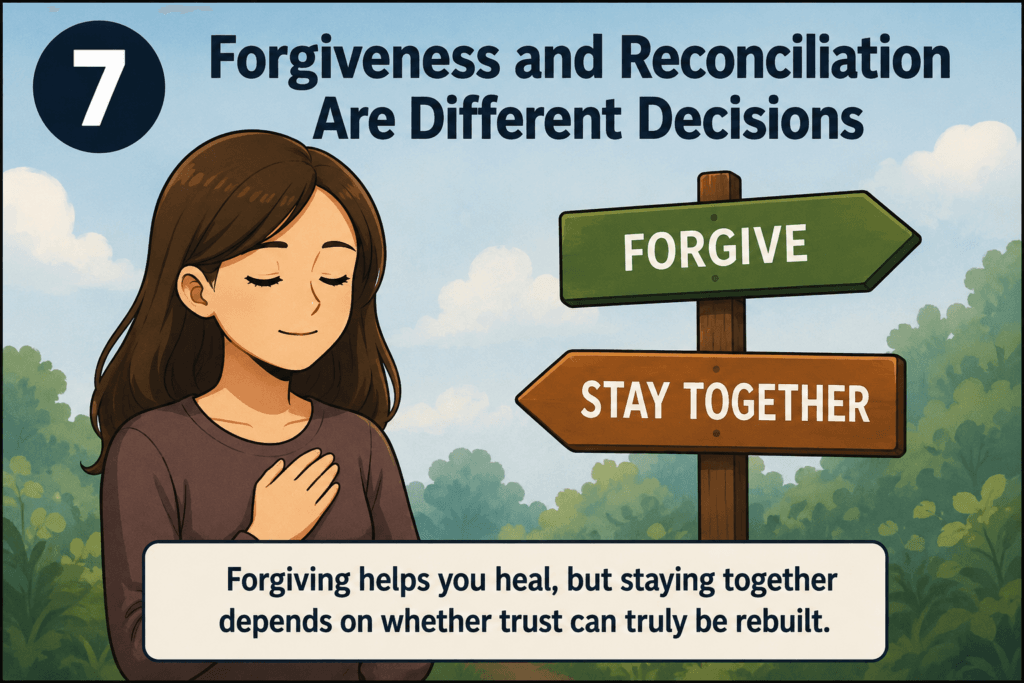
Psychology doesn’t suggest every relationship should survive infidelity.
Instead, it encourages decisions based on consistent behavior, not wishful thinking.
Final Thoughts
Is a cheater always a cheater? Psychology suggests no—not always.
Some repeat harmful behavior, while others genuinely transform after taking responsibility and making lasting changes.
The better question isn’t simply whether someone has cheated before.
It’s whether they have demonstrated:
- Real accountability
- Consistent honesty
- Sustained personal growth
At the end of the day, lasting change is measured by actions over time—not promises made in the moment.