
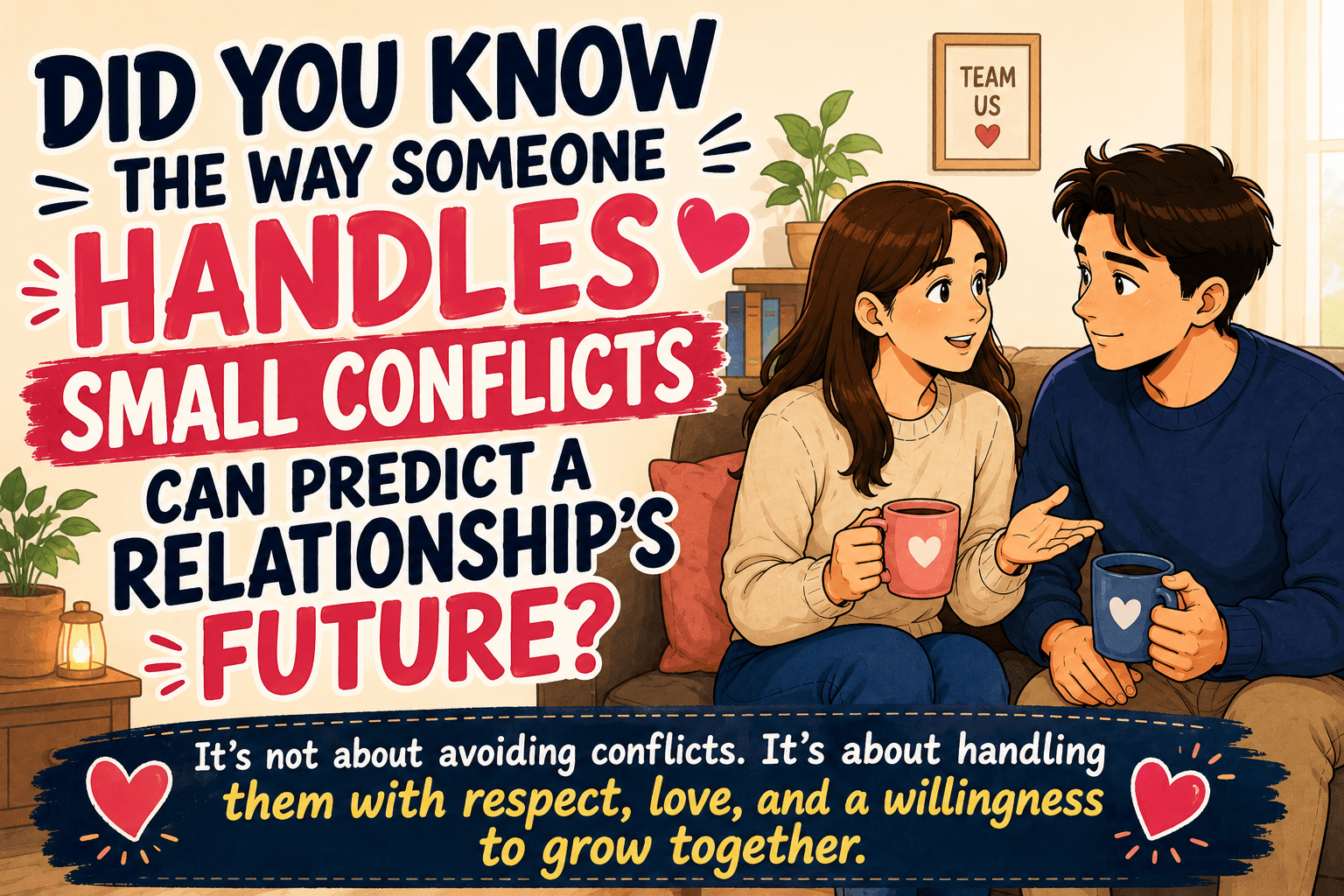
Every couple disagrees from time to time. Surprisingly, relationship experts have found that it’s not the number of arguments that matters most—it’s how those disagreements are handled.
Small conflicts often reveal the habits that shape a relationship over time.
Six Signs to Pay Attention To
1. They Listen Instead of Just Waiting to Respond
When someone truly listens, they try to understand your perspective rather than simply preparing their next argument.
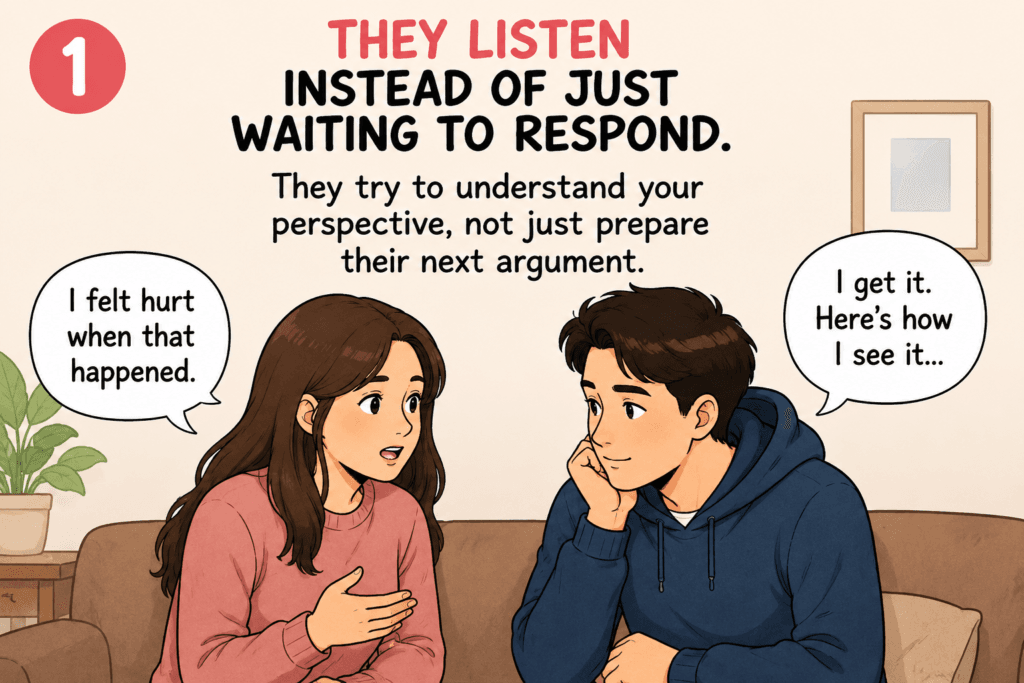
Feeling heard helps reduce tension and builds trust, even when you don’t completely agree.
2. They Stay Respectful During Disagreements
It’s easy to be kind when everything is going well. The real test comes during conflict.
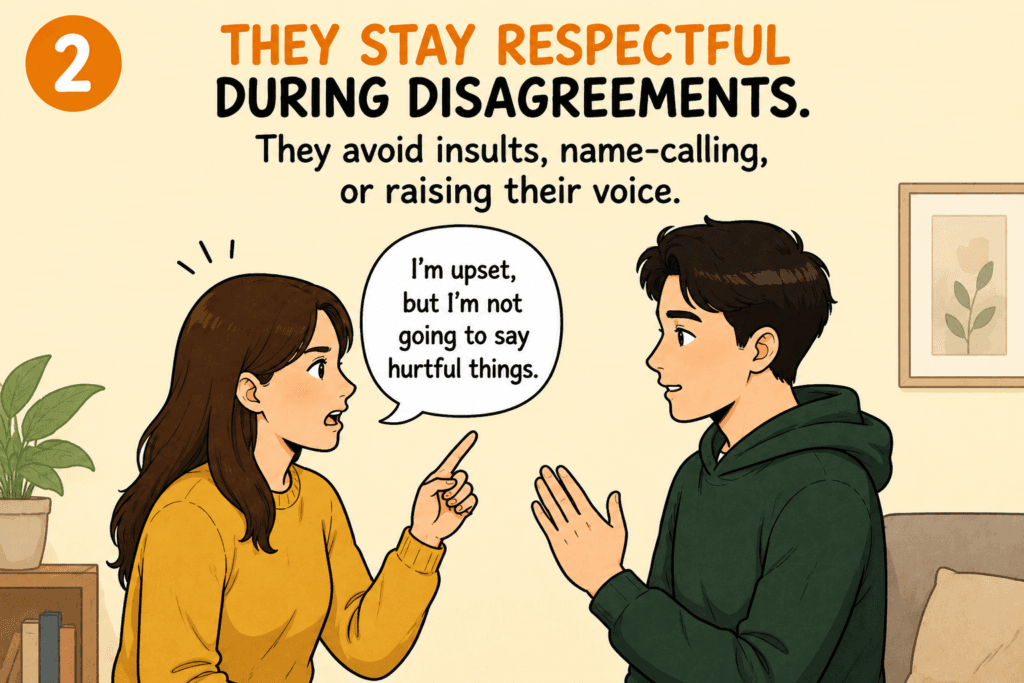
Someone who avoids insults, name-calling, or humiliation shows emotional maturity and protects the relationship even in difficult moments.
3. They Admit Their Mistakes
No one is right all the time.
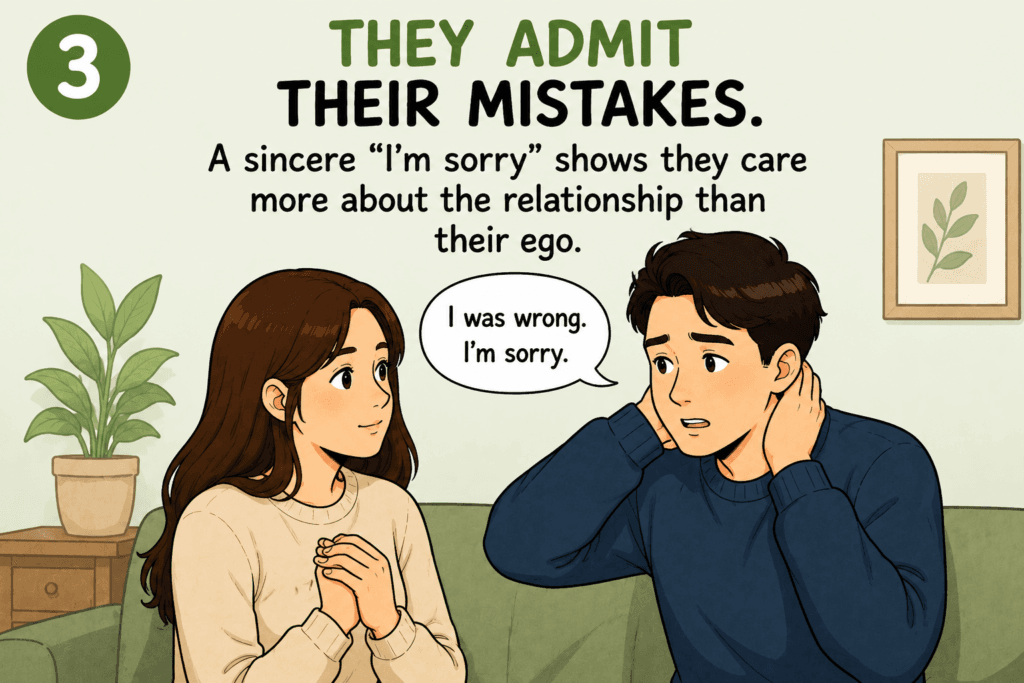
A partner who can sincerely say, “I was wrong,” or “I’m sorry,” is usually more interested in solving the problem than protecting their ego.
Accountability strengthens trust.
4. They Focus on Solving the Problem, Not Winning
Healthy couples treat disagreements as a challenge to solve together, not a competition.
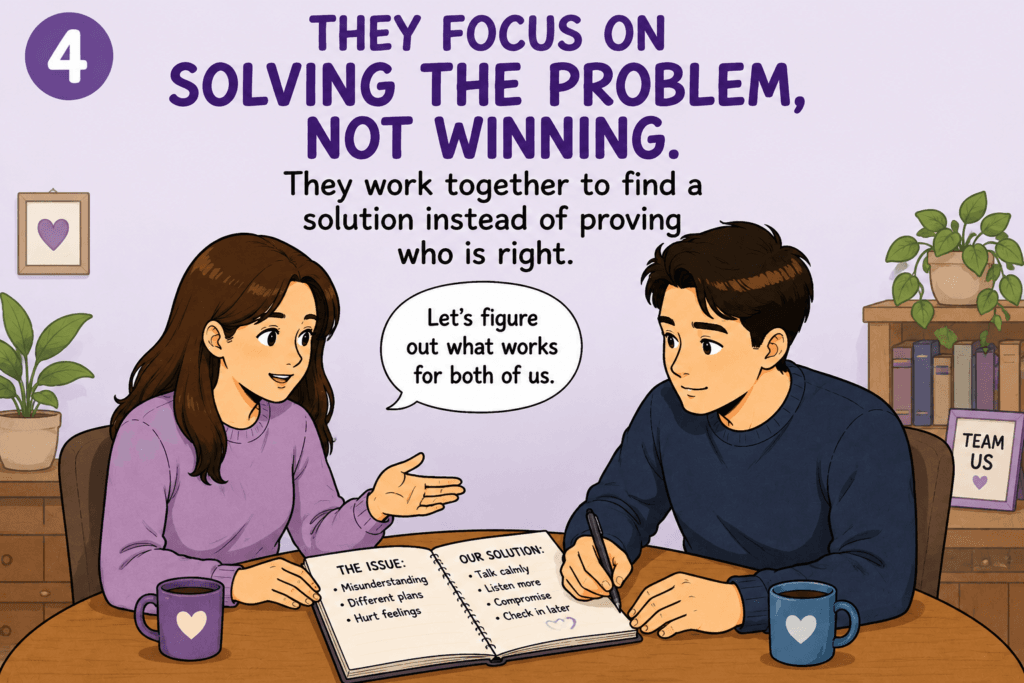
Instead of proving who is right, they work toward a solution that respects both people.
5. They Repair the Conversation After an Argument
Even the happiest couples have conflicts.
What often makes the difference is what happens afterward.
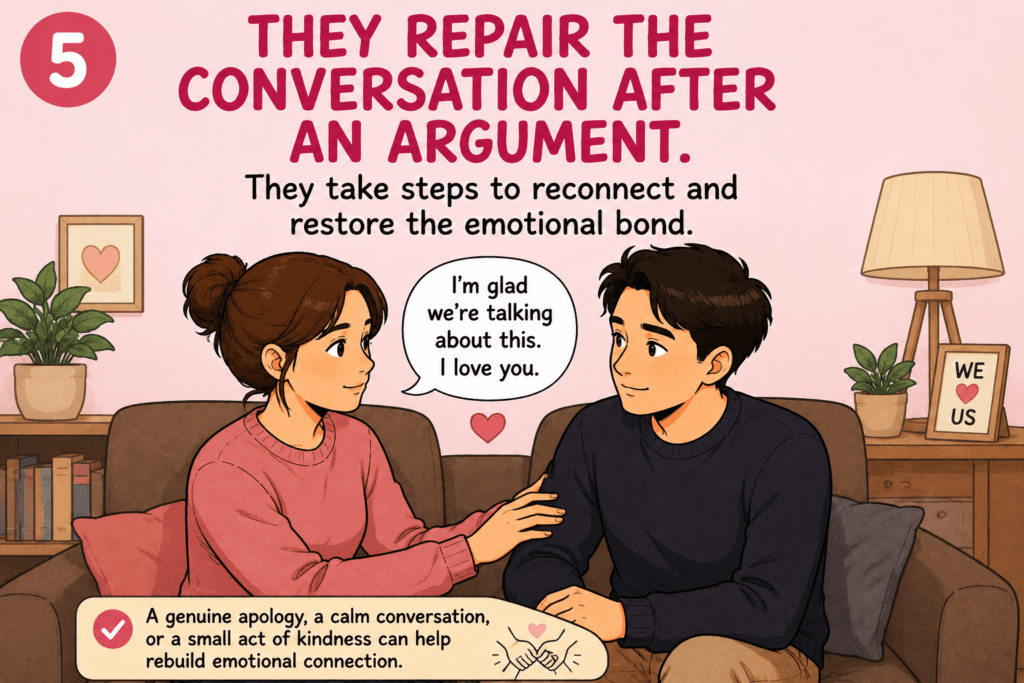
A genuine apology, a calm conversation, or a small act of kindness can help rebuild emotional connection after emotions settle.
6. They Learn Instead of Repeating the Same Conflict
Arguments become harmful when the same issues keep happening without change.
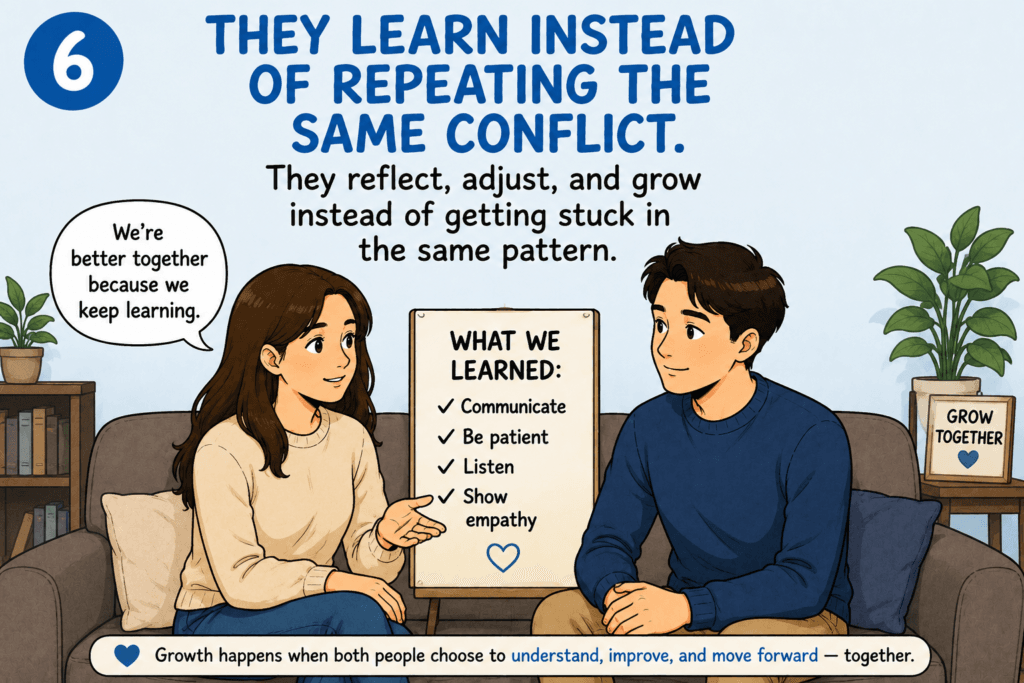
Strong relationships grow because both partners are willing to learn, adjust, and avoid repeating unhealthy patterns.
Final Thoughts
Small conflicts may seem unimportant, but they often reveal the habits that shape a relationship over months and years.
A lasting relationship isn’t built by never arguing—it’s built by handling disagreements with respect, honesty, and a shared desire to grow together.