
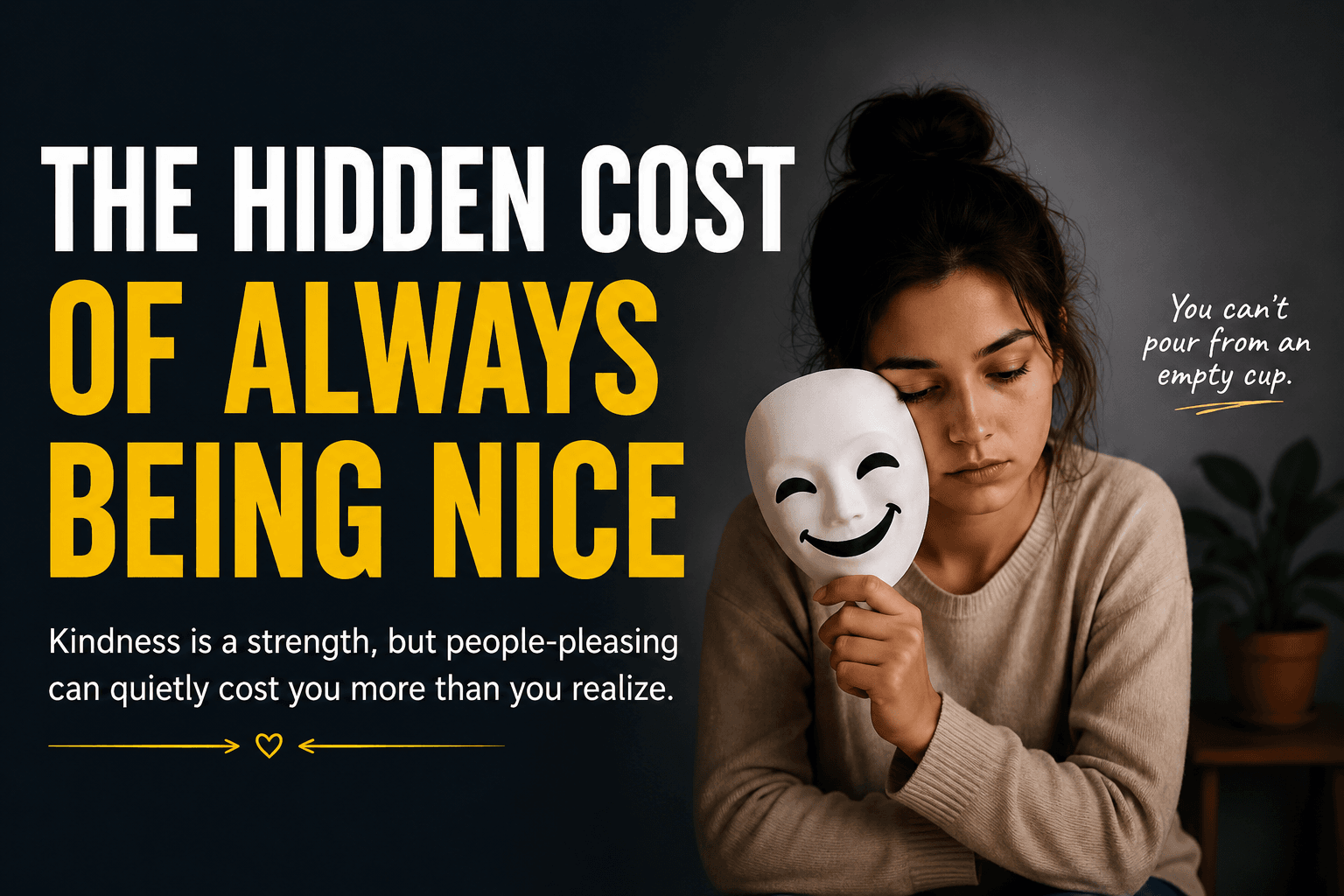
Being kind is one of the most admirable qualities a person can have. Compassion, generosity, and empathy help build stronger relationships and make the world a better place.
But there is an important difference between being genuinely kind and constantly sacrificing yourself just to keep everyone else happy.
Many people spend years believing that saying “yes” to everything, avoiding conflict, and putting others first is the right way to live.
Over time, however, they discover that always being nice can come with unexpected emotional, mental, and even physical costs.
Six Hidden Costs of Always Being Nice
1. People May Start Taking You for Granted
When you’re always available to help, others can begin to see your kindness as something they are entitled to instead of something to appreciate.
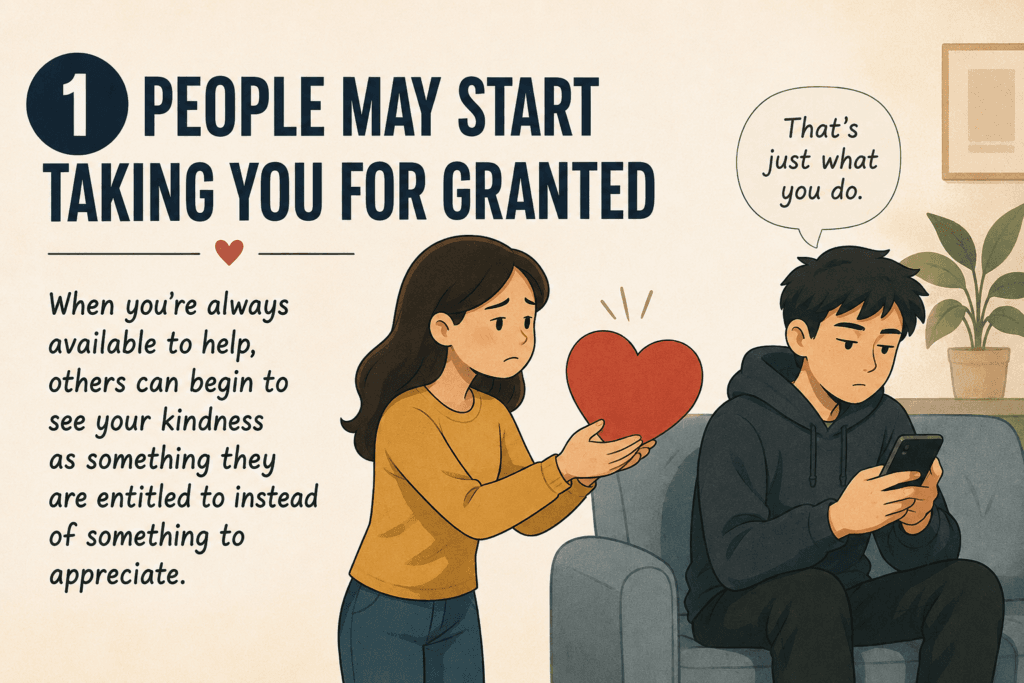
The more you constantly give without setting limits, the more people may expect your time, energy, and support without considering your own needs.
What was once appreciated can slowly become expected.
True kindness is a gift—not an obligation.
2. You Suppress Your Own Feelings
Many people who are overly nice avoid expressing disappointment, frustration, or anger because they fear hurting others or creating conflict.
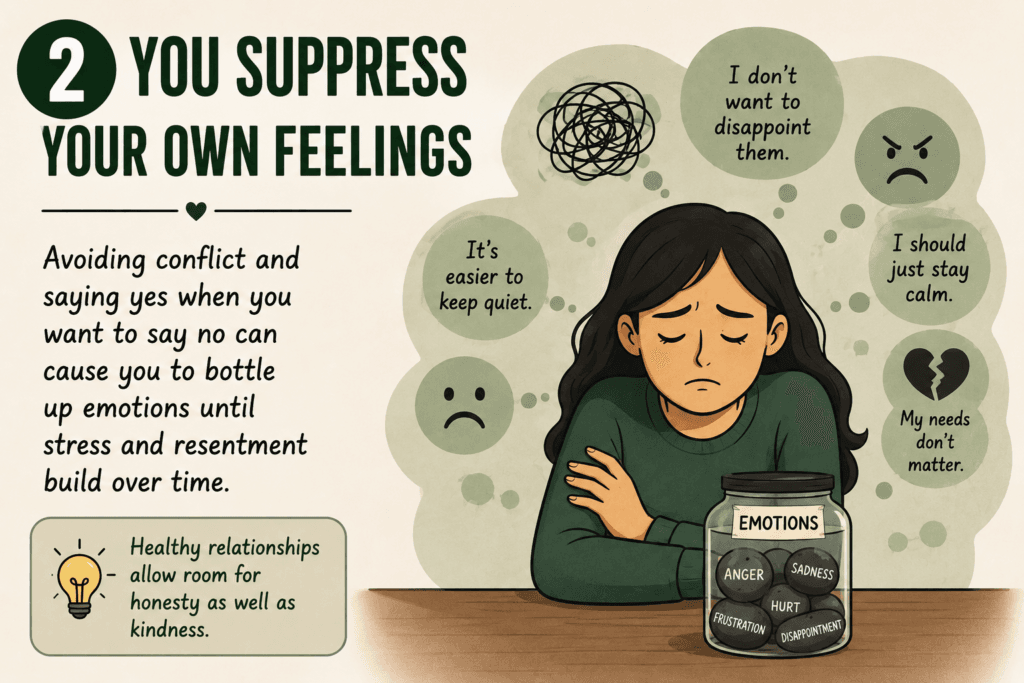
Instead of speaking honestly, they bottle up their emotions until stress, resentment, or emotional exhaustion builds over time.
Healthy relationships allow room for honesty as well as kindness.
3. You Become Emotionally Exhausted
Constantly trying to make everyone happy requires enormous emotional energy.
Saying yes when you want to say no, carrying other people’s problems, and worrying about everyone’s opinions can leave you mentally drained.
You cannot pour from an empty cup.
Taking care of yourself isn’t selfish—it’s necessary.
4. You Attract People Who Take Advantage
Kind people often attract wonderful friendships, but they can also attract those who look for someone who rarely says no.
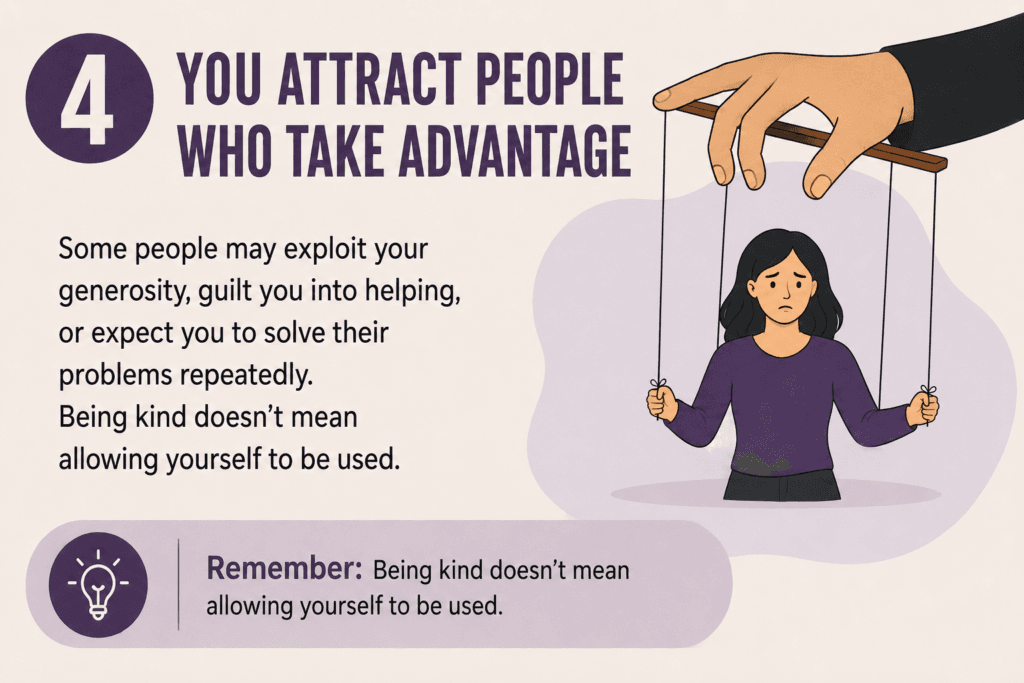
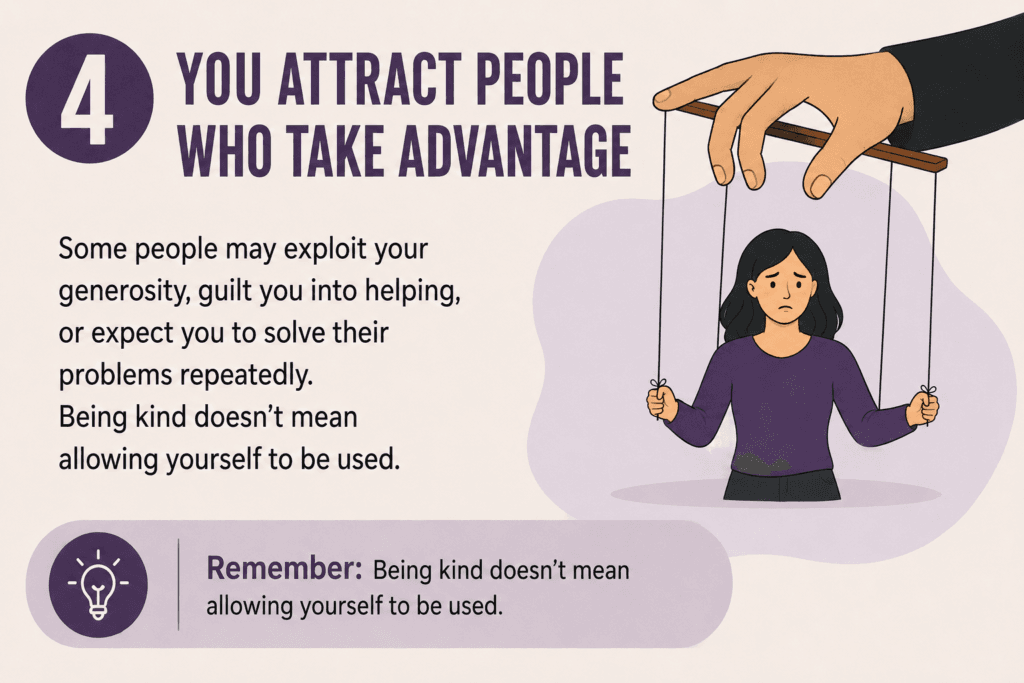
Manipulative individuals may exploit your generosity, guilt you into helping, or expect you to solve their problems repeatedly.
Being kind doesn’t mean allowing yourself to be used.
5. You Lose Your Sense of Identity
When your decisions are based mainly on pleasing others, you may slowly lose sight of what you truly want.
Your goals, opinions, hobbies, and dreams can become secondary to everyone else’s expectations.
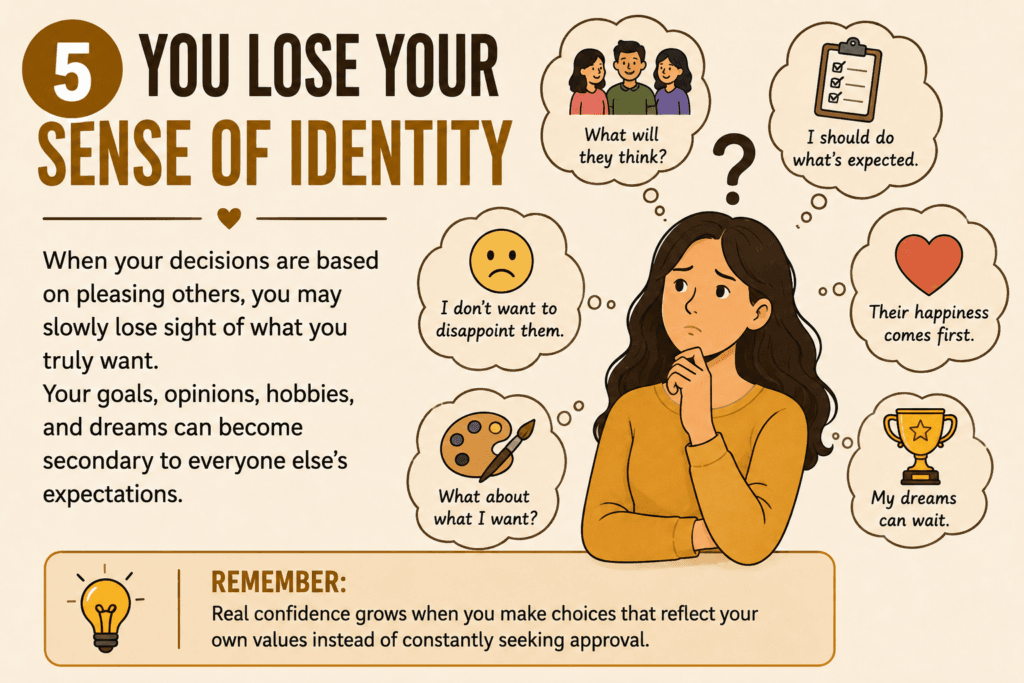
Real confidence grows when you make choices that reflect your own values instead of constantly seeking approval.
6. You Mistake Boundaries for Being Mean
Many people believe that setting boundaries makes them selfish or unkind.
In reality, healthy boundaries protect your emotional well-being while allowing you to continue helping others in a balanced way.
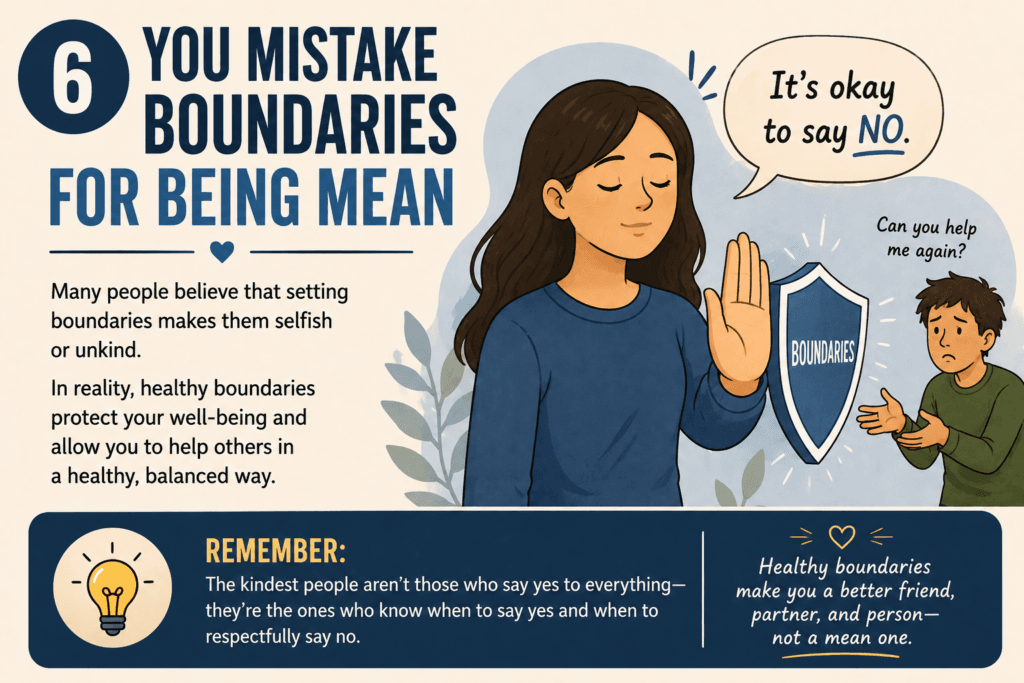
The kindest people aren’t those who say yes to everything—they’re the ones who know when to say yes and when to respectfully say no.
Final Thoughts
Kindness is one of the greatest strengths a person can have, but it should never come at the cost of your mental health, self-respect, or happiness.
You don’t have to stop being a caring person.
Instead, learn to balance compassion with healthy boundaries.
Respect your own needs as much as you respect the needs of others.
Remember: the goal isn’t to be liked by everyone.
The goal is to be kind without losing yourself in the process.