
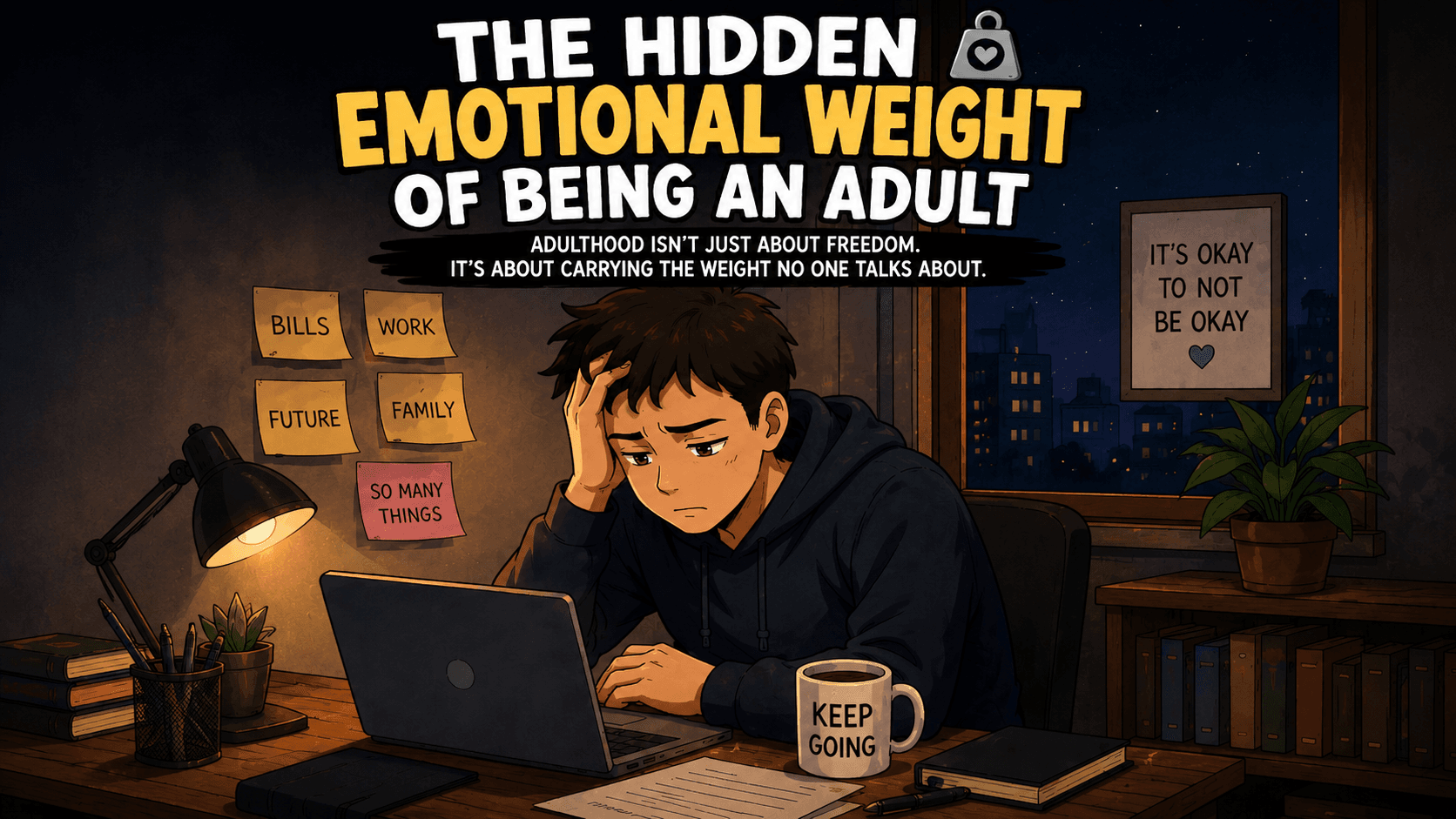
Growing up is often seen as gaining freedom—the freedom to make your own choices, build a career, and create the life you want.
While adulthood brings many opportunities, it also carries an emotional weight that few people openly discuss.
For many, life becomes a constant balancing act between responsibilities, expectations, and personal dreams.
Even when everything looks fine on the outside, countless people quietly carry invisible burdens that others never see.
Understanding these emotional challenges doesn’t make adulthood easier, but it reminds us that struggling is a normal part of being human.
The Pressure to Always Be Responsible
1. Realizing You’re the Problem Solver
One of the biggest emotional shifts in adulthood is accepting that there isn’t always someone else to fix your problems.
Bills need to be paid. Decisions have real consequences. Family members may depend on you.
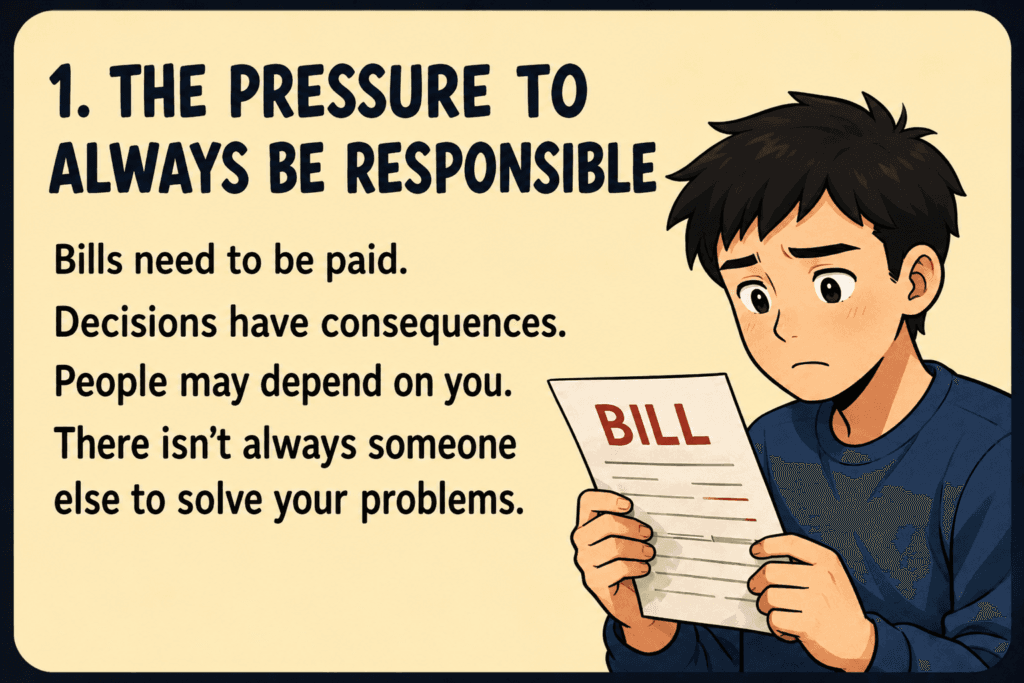
Whether it’s work, finances, or relationships, adulthood often means carrying responsibilities that can’t be ignored.
Psychologists warn that prolonged responsibility without enough rest can lead to chronic stress and emotional exhaustion.
Success Often Comes With Silent Comparison
2. The Trap of Measuring Yourself Against Others
It’s easy to compare yourself with classmates, coworkers, friends, or even strangers online.
Some have better careers. Others seem happier in relationships. Some buy homes while others struggle financially.

Constant comparison can create feelings of inadequacy—even when you’re making meaningful progress.
Remember, social media usually shows only people’s best moments, not the full story.
Loneliness Doesn’t Always Mean Being Alone
3. Feeling Lonely in a Crowd
Many believe loneliness only happens when you have few friends.
In reality, adults can feel deeply lonely even when surrounded by coworkers, family, or a romantic partner.
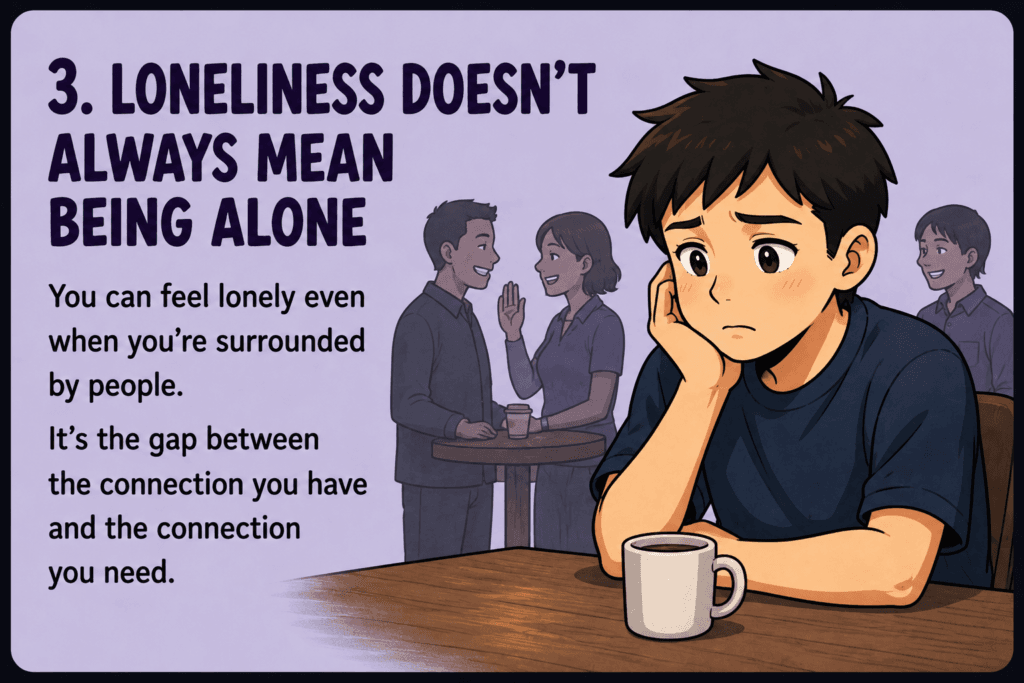
Psychologists describe loneliness as the gap between the connection we have and the connection we need.
As responsibilities grow, friendships often become less frequent, making emotional support harder to find.
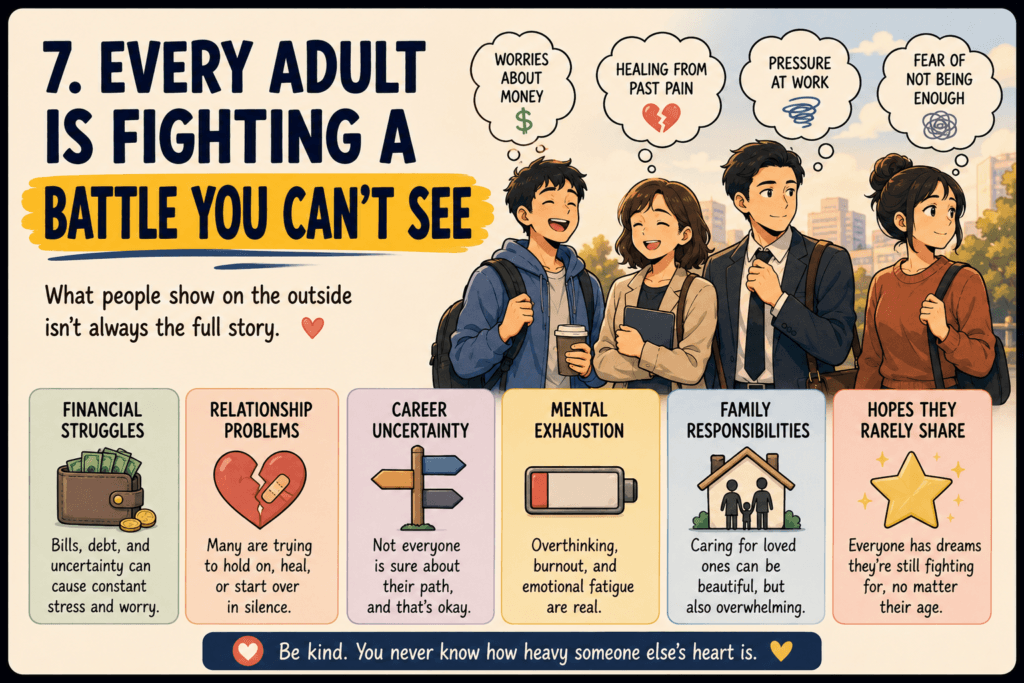
Carrying Worries You Don’t Share
4. The Weight of Hidden Fears
Many adults quietly hide their fears about money, parents’ health, children’s futures, career uncertainty, or unexpected emergencies.
Instead of sharing these concerns, they keep smiling because they feel they must stay strong for others.
This emotional suppression can become mentally exhausting over time.
Feeling Guilty for Resting
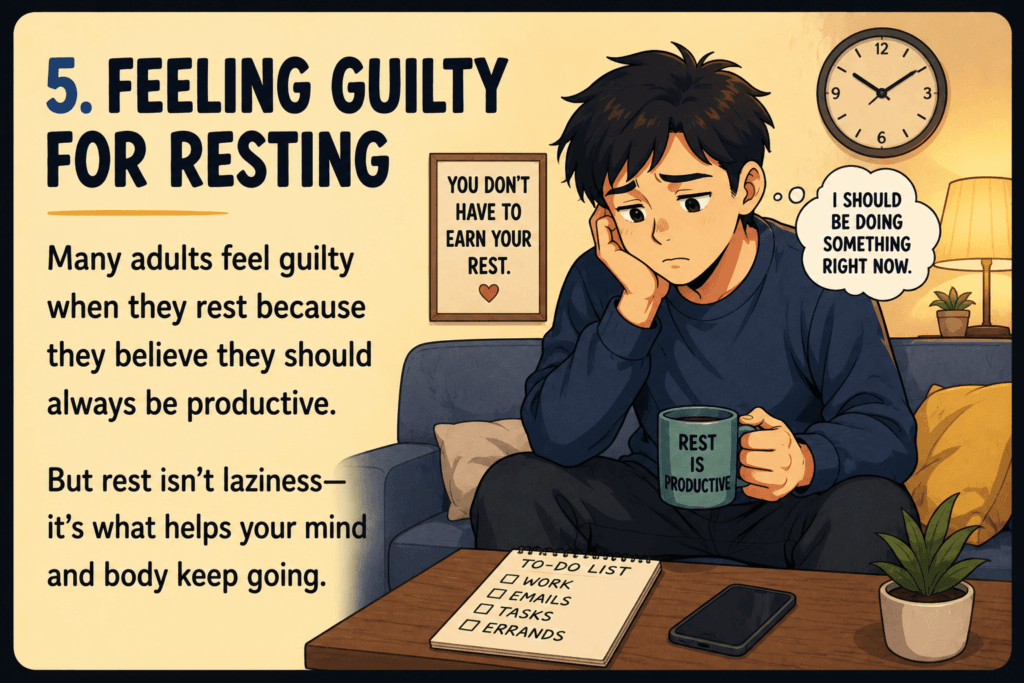
5. When Rest Feels Like Laziness
After years of chasing goals, some adults link their worth to constant productivity.
Even during weekends or vacations, they feel guilty for relaxing because they believe they should always be doing something useful.
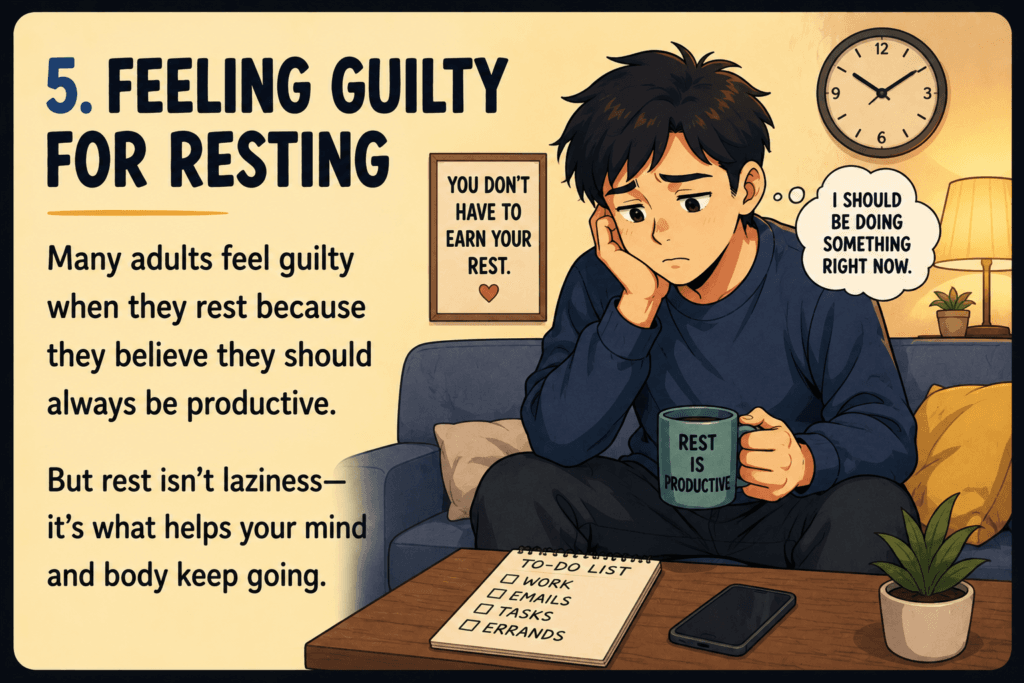
Psychology shows that genuine rest isn’t laziness—it’s essential for emotional resilience and long-term productivity.
The Fear of Falling Behind
6. Life Doesn’t Follow a Set Timeline
Some marry early, others focus on careers. Some become parents, while others start over in their 40s or 50s.
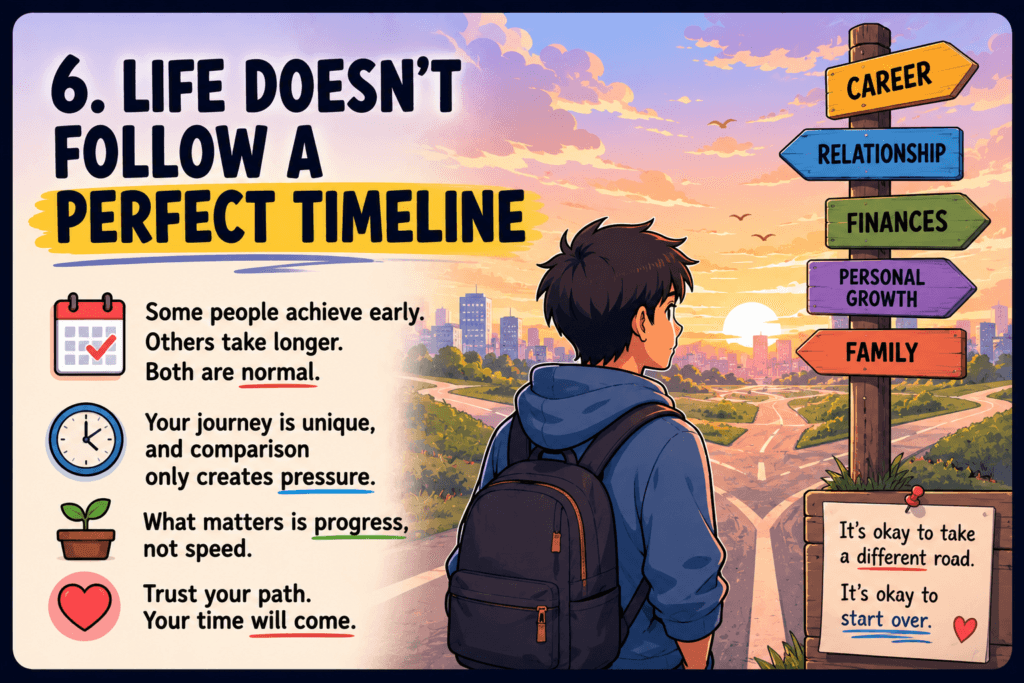
Yet many adults quietly fear they’re “behind” compared to others.
The truth is life isn’t a race. People grow, heal, and succeed at different stages.
Starting Over Takes More Courage Than You Think
7. Embracing Change Despite the Risks
Changing careers, ending unhealthy relationships, moving to a new city, or learning new skills can feel terrifying.
Adulthood often comes with more responsibilities and higher stakes.
But many meaningful life changes begin with the courage to take one uncertain step forward.
Final Thoughts
The hidden emotional weight of adulthood isn’t just about working long hours or paying bills.
It’s about carrying responsibilities, making tough decisions, managing uncertainty, and moving forward even when life feels overwhelming.
If you’ve ever felt emotionally exhausted, uncertain, or like you’re just trying to get through the day, you’re not alone.
Adulthood isn’t about having everything figured out—it’s about learning to keep going, growing, and finding moments of hope despite challenges.
Sometimes, the strongest people aren’t those who never struggle. They’re the ones who quietly carry heavy emotional burdens while still choosing to show up every day.