
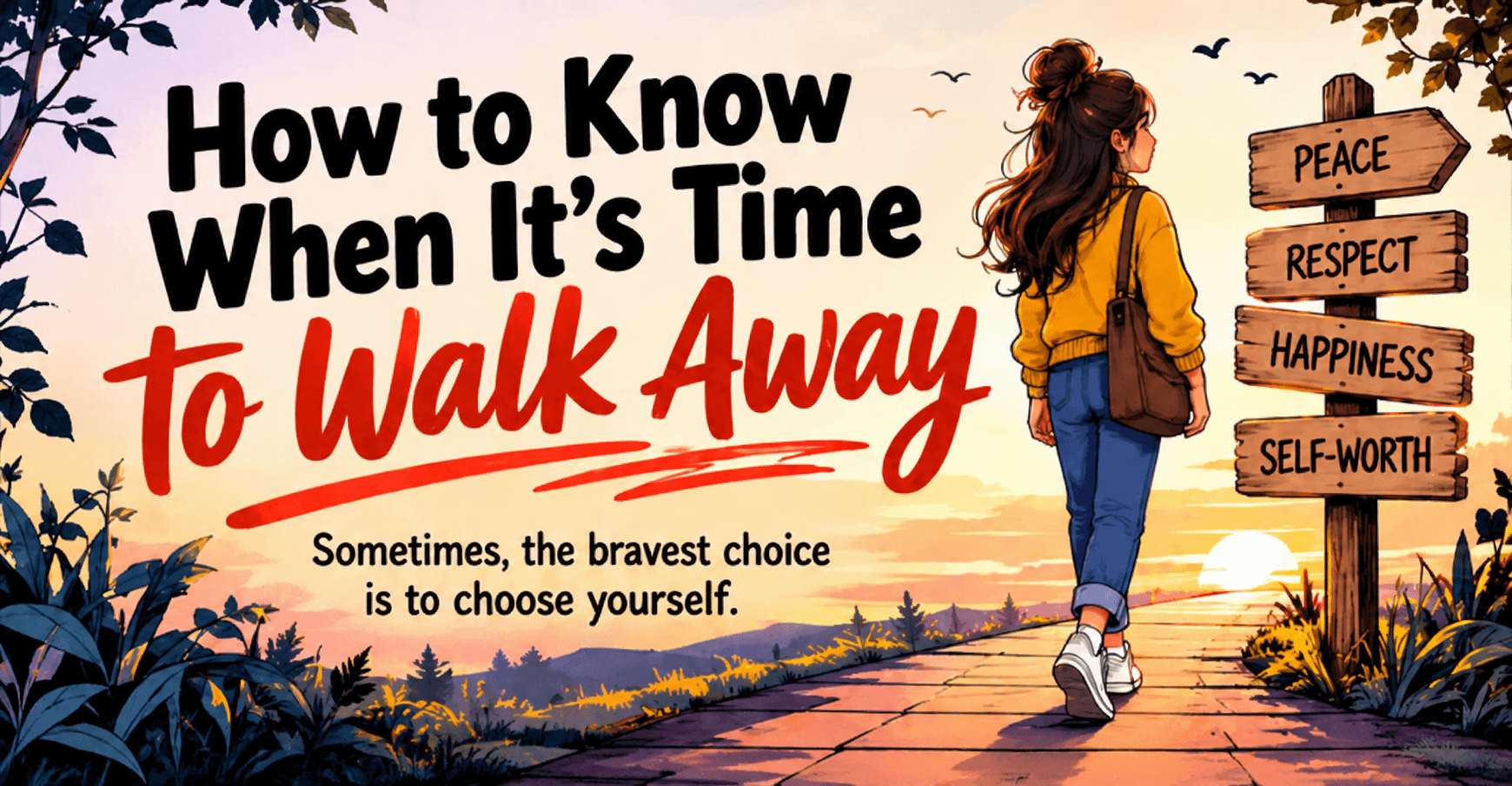
There are moments in life when staying feels harder than leaving. Whether it’s a relationship, a friendship, a job, or a situation that once brought you happiness, knowing when to walk away is one of the most difficult decisions you’ll ever make.
Walking away isn’t always about giving up. Sometimes, it’s about protecting your peace, your mental health, and your future. Psychology suggests that healthy relationships and environments should help you grow—not constantly drain you.
1. You Feel Drained More Often Than Happy
Every relationship has difficult days, but if exhaustion, anxiety, or sadness have become your normal emotional state, it’s worth asking why.
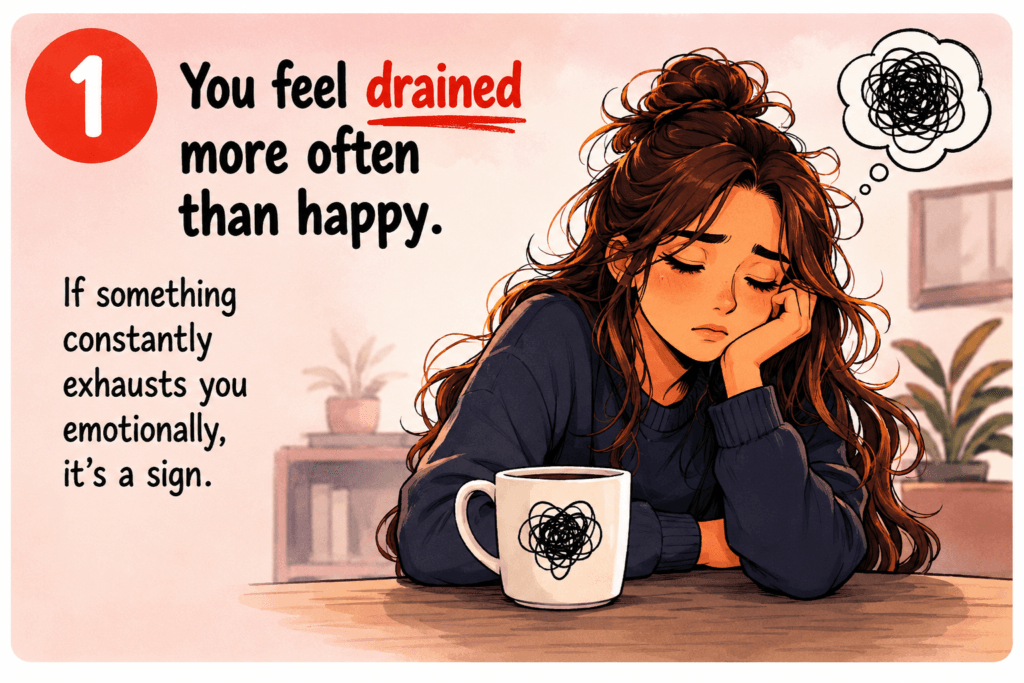
When someone or something consistently leaves you emotionally depleted instead of supported, your well-being may be paying the price.
2. Your Needs Are Always Ignored
Healthy relationships involve mutual care and respect.
If your feelings, concerns, and boundaries are repeatedly dismissed while you’re expected to understand everyone else, the relationship has become one-sided.
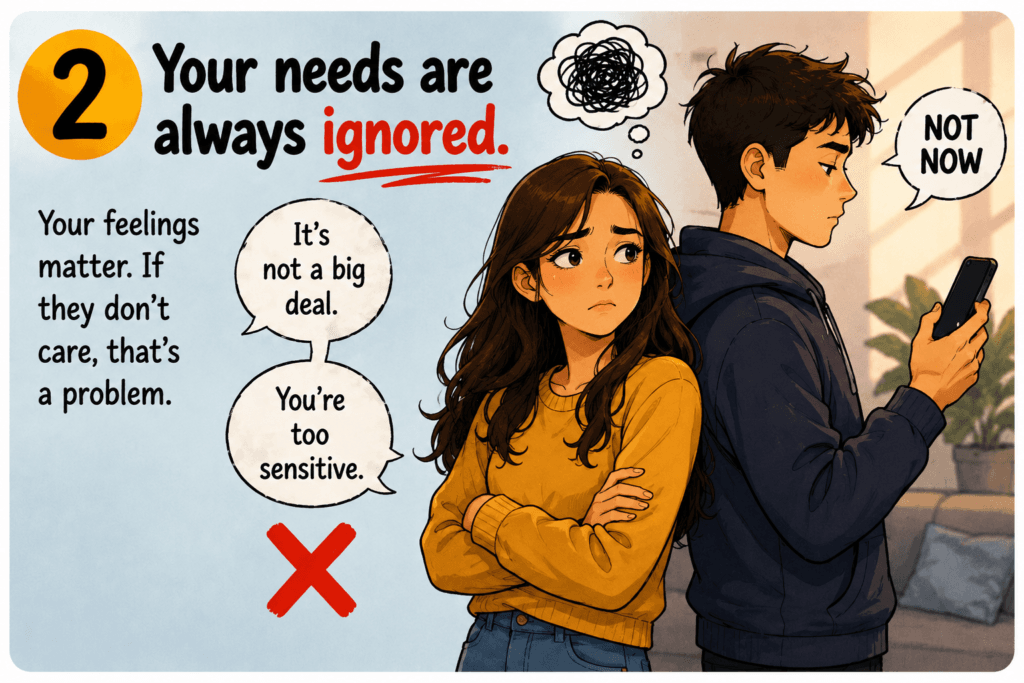
Feeling unheard for a long time can slowly damage your confidence and self-worth.
3. You’ve Tried to Fix Things—But Nothing Changes
Problems can often be solved through honest communication.
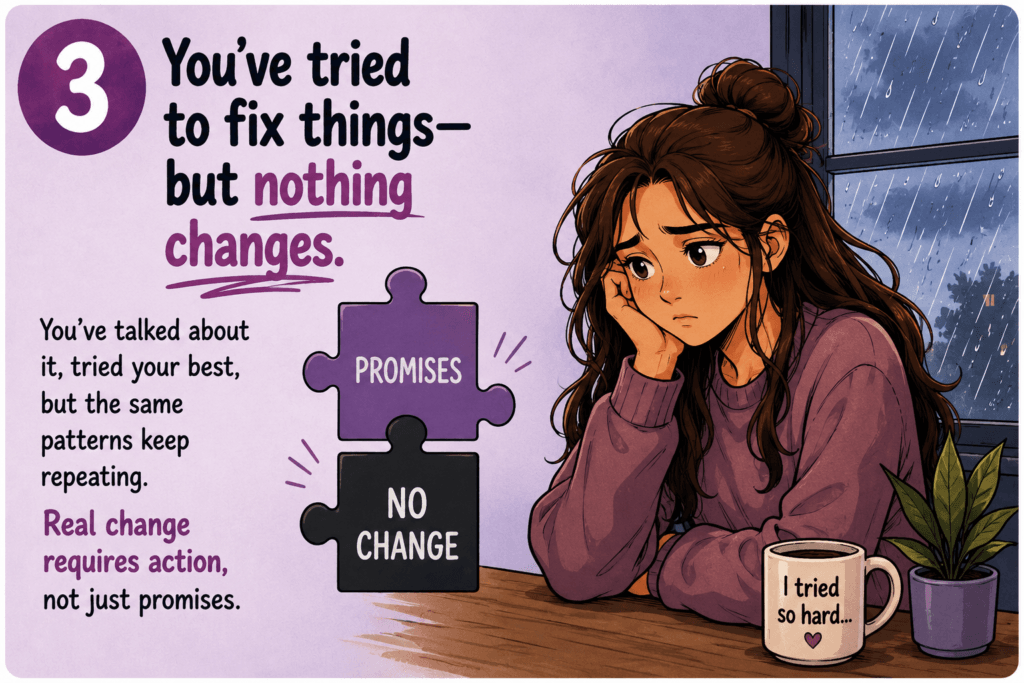
But if you’ve expressed your concerns many times and the same harmful patterns continue without genuine effort to improve, hope alone may not be enough.
Real change requires consistent action—not repeated promises.
4. You No Longer Feel Like Yourself
Sometimes the biggest warning sign isn’t what the other person does—it’s who you’ve become.
If you’ve stopped laughing, lost your confidence, constantly question yourself, or feel emotionally numb, the environment may be changing you in unhealthy ways.
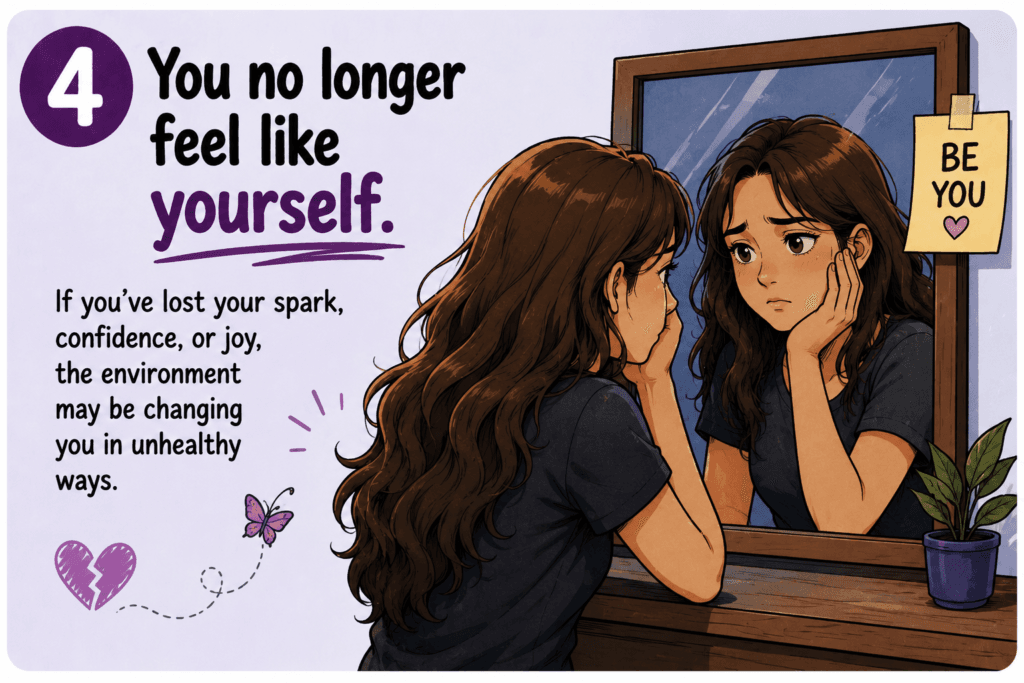
Healthy connections should allow you to be yourself, not erase who you are.
5. You’re Staying Only Because You’re Afraid
Many people remain in unhealthy situations because they fear loneliness, judgment, or starting over.
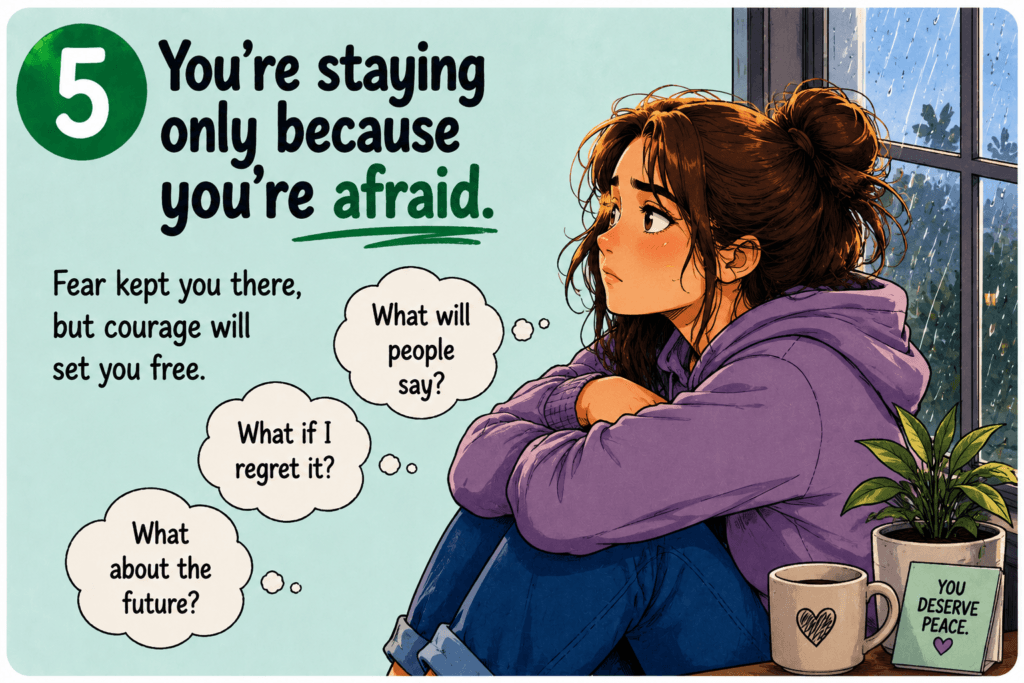
But fear isn’t a strong foundation for any important life decision.
The pain of leaving is often temporary. The pain of staying in the wrong place can last for years.
6. Trust Has Been Broken Repeatedly
Trust is one of the foundations of every healthy relationship.
While mistakes can happen, repeated lies, betrayal, manipulation, or broken promises slowly weaken emotional security.

Without trust, even love becomes difficult to sustain.
7. You Keep Hoping They’ll Become Someone Else
One of the hardest truths to accept is that you cannot build a future based on someone’s potential.
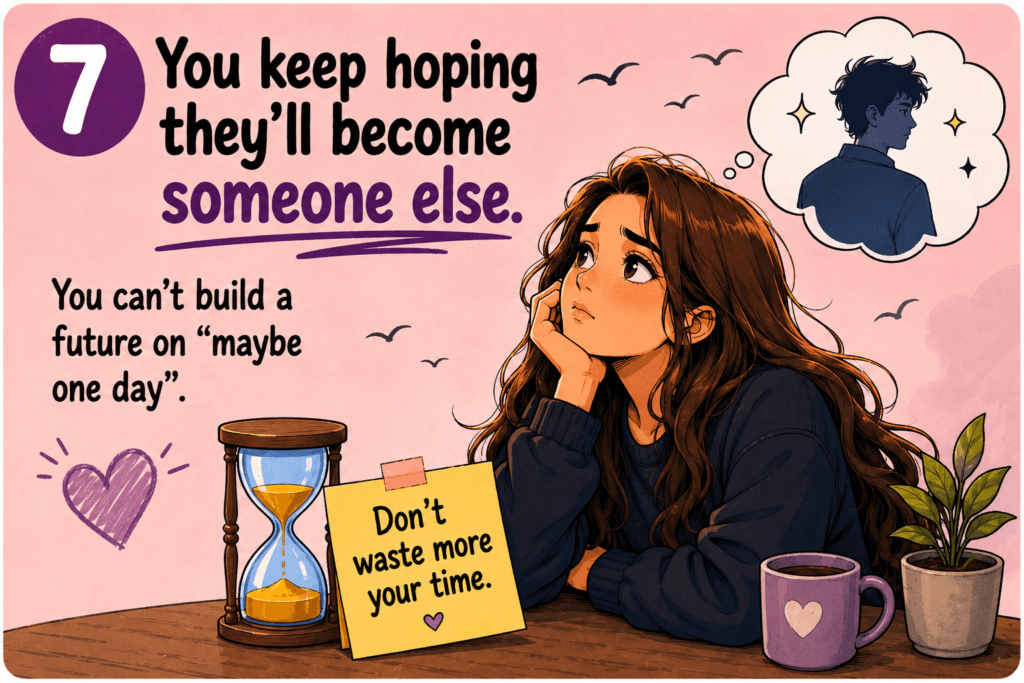
Love should be based on who they are today—not who you hope they’ll eventually become.
Waiting for someone to change without evidence often leads to disappointment.
Walking Away Doesn’t Always Mean Failure
Leaving doesn’t mean you didn’t care enough.
Sometimes it means you’ve finally realized that protecting your peace is more important than endlessly sacrificing yourself.
Choosing yourself isn’t selfish when staying continues to harm your emotional well-being.
Final Thoughts
Knowing when to walk away isn’t about quitting at the first sign of difficulty.
It’s about recognizing the difference between temporary challenges and ongoing patterns that damage your happiness, confidence, and peace of mind.
Some doors close because you’ve failed.
Others close because it’s finally time to stop knocking.