

Have you ever replayed a conversation in your head for hours, wondering if you sounded awkward? Or avoided doing something you wanted because you feared being judged?
If so, you’re not alone. Most people care about what others think to some extent. Our brains evolved to value social acceptance because belonging to a group helped people survive.
But in today’s world, worrying too much about other people’s opinions can keep us from living authentically.
The good news is you can learn to care less—not by becoming cold or selfish, but by growing more confident in your own values.
1. Remember That Most People Are Thinking About Themselves
One of psychology’s most interesting findings is the “spotlight effect.” We tend to believe others notice our mistakes far more than they actually do.
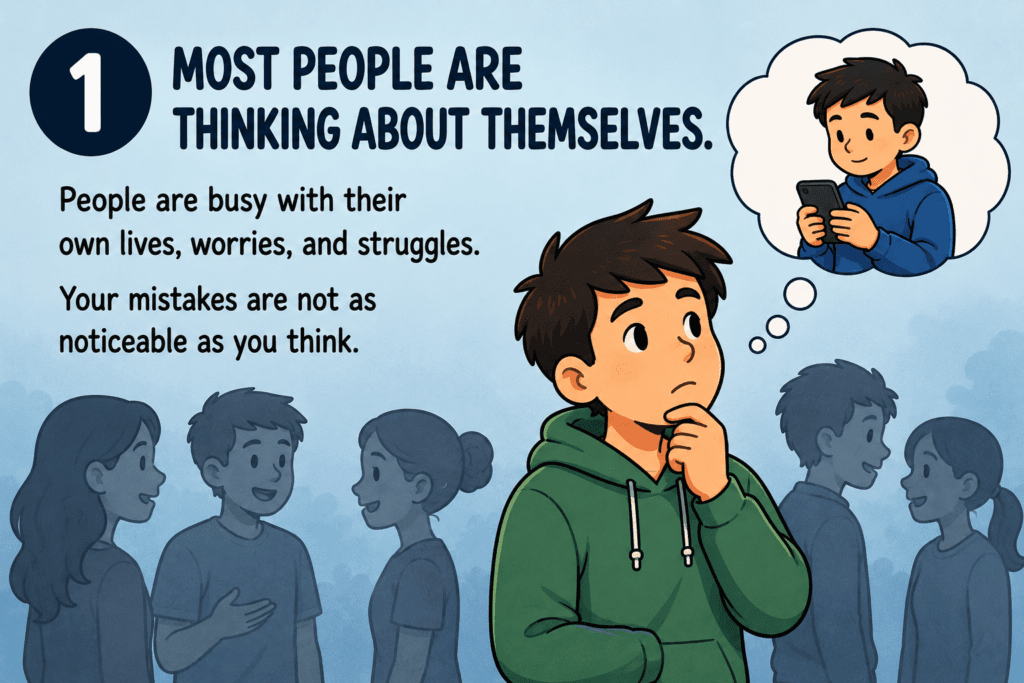
In reality, most people are busy with their own lives, worries, and insecurities. The embarrassing moment that keeps you awake at night was likely forgotten by everyone else within minutes.
Realizing this can instantly reduce unnecessary anxiety.
2. You Can’t Please Everyone
No matter how kind, talented, or successful you are, someone will disagree with you.
Even the most respected people in history have faced criticism.
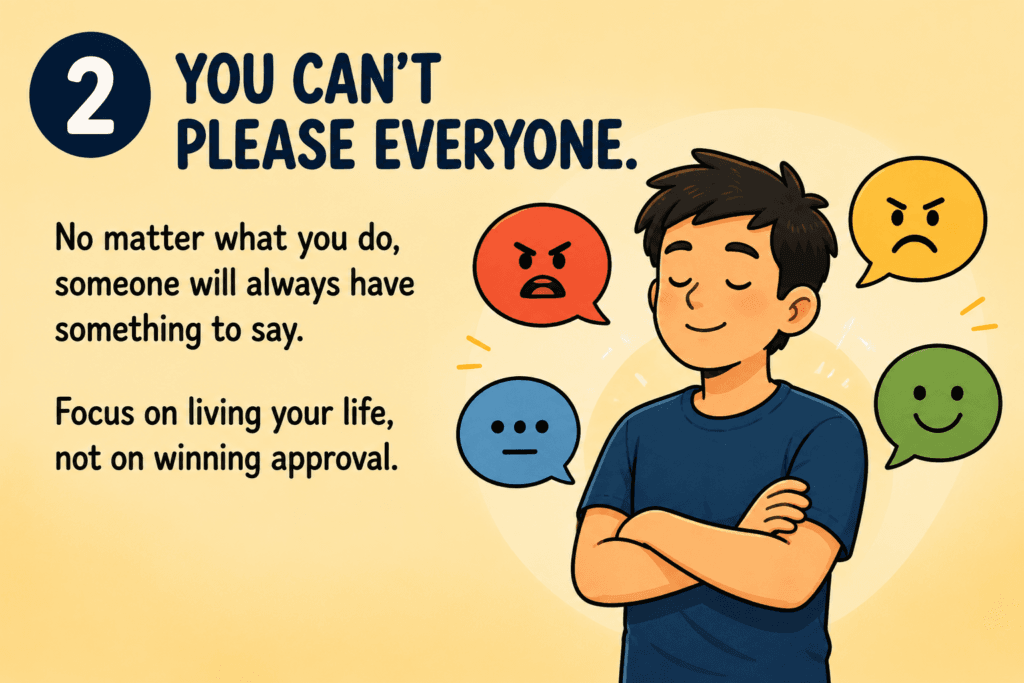
Since everyone has different beliefs and preferences, trying to satisfy everyone is impossible.
The sooner you accept this, the more freedom you’ll feel.
3. Focus on Your Values, Not Their Opinions
Instead of asking yourself, “What will people think?” try asking:
- Does this align with the person I want to become?

People who live by their personal values tend to feel more confident and satisfied because their decisions come from within—not from external approval.
4. Challenge Negative Assumptions
When you assume people are judging you, pause and ask:
- What evidence do I actually have?
- Could there be another explanation?
- Am I assuming the worst without proof?
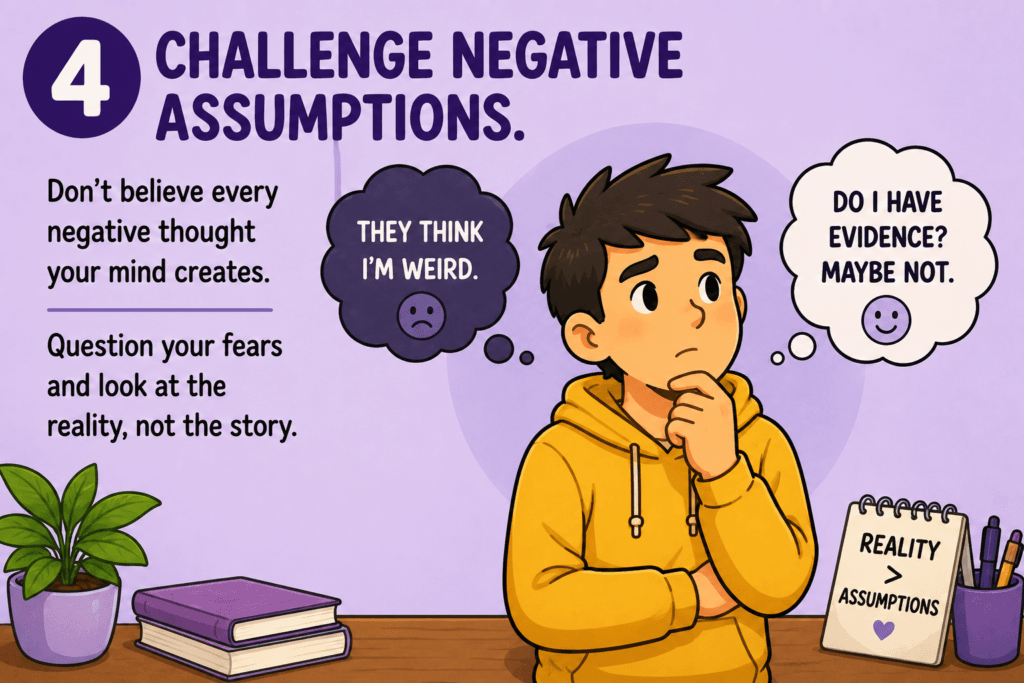
Many fears come from stories we create in our minds—not from reality.
5. Accept That Judgment Is Part of Life
No matter what you do, some people will criticize you.
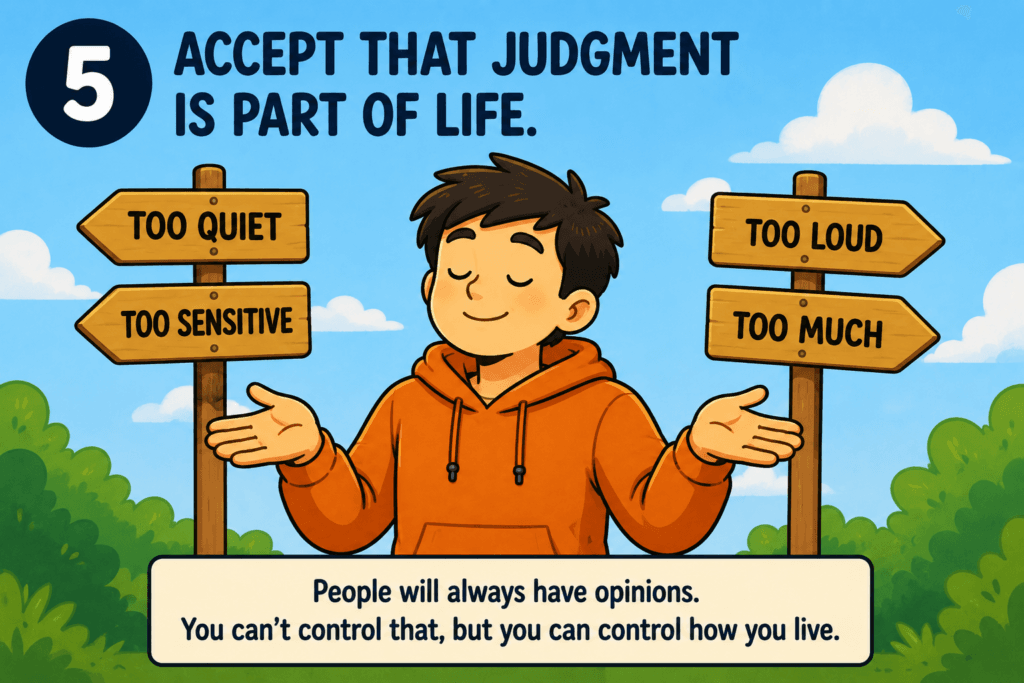
- Stay quiet, and they might say you’re shy.
- Speak confidently, and they might accuse you of arrogance.
- Succeed, and they might say you were lucky.
Since judgment is unavoidable, it makes more sense to live by your own principles than chase approval.
6. Build Confidence Through Action
Confidence rarely comes before action. It grows after repeatedly facing things that scare you.
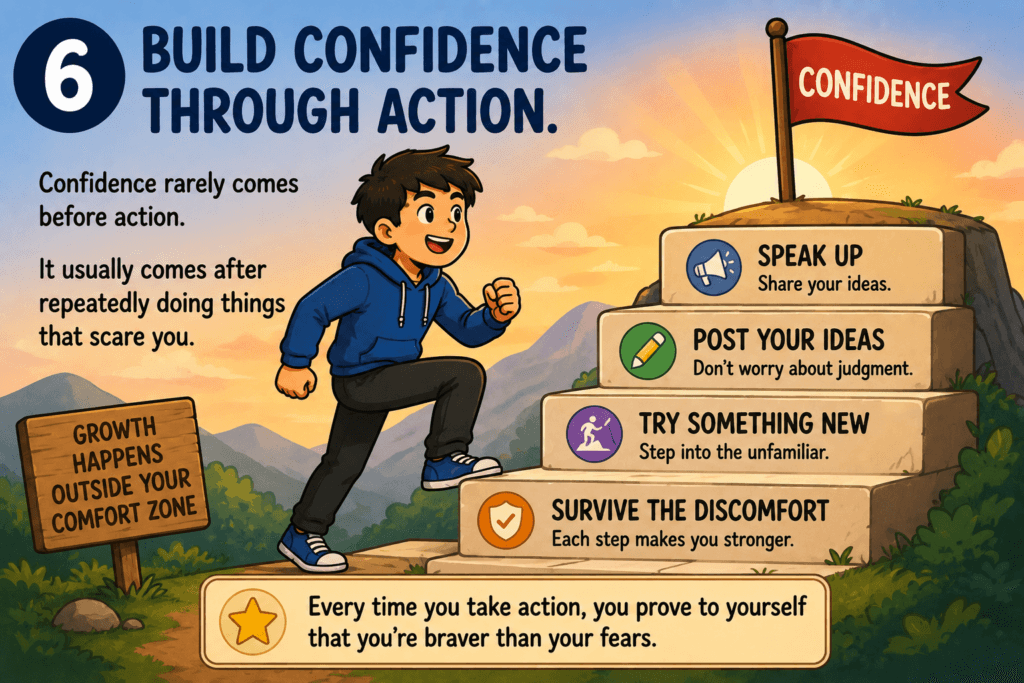
Try to:
- Speak up in meetings
- Share your ideas online
- Try something new
Each time you face discomfort, your brain learns that rejection isn’t as dangerous as it imagined.
7. Choose Whose Opinions Truly Matter
Not every opinion deserves equal weight.
Constructive feedback from trusted family, close friends, mentors, or experts can help you grow.
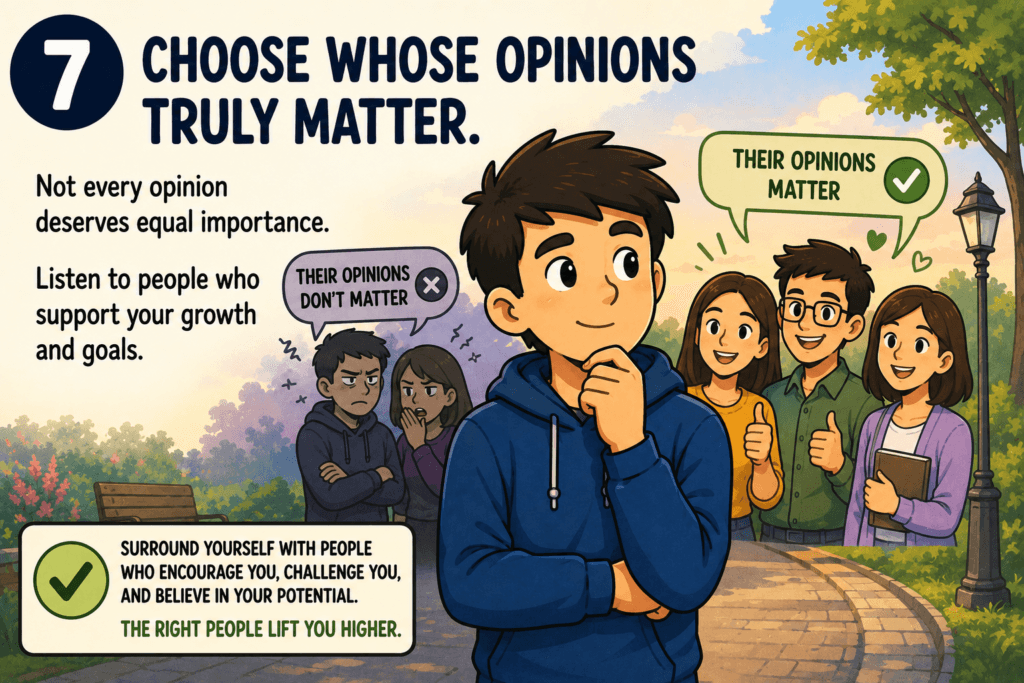
Random criticism from strangers or people who don’t understand your goals doesn’t have to control your decisions.
Learning to filter opinions is one of the healthiest skills you can develop.
Final Thoughts
Caring about what others think is human. The problem arises when fear of judgment controls your choices, limits your confidence, or stops you from becoming who you want to be.
You don’t need everyone’s approval to live a meaningful life.
Those who seem most confident aren’t free from judgment—they’ve decided other people’s opinions don’t define their worth.
The moment you stop trying to impress everyone is often when you begin living more authentically.