

The Big Question: Love or Future?
Many people wonder whether they should focus on finding love first or spend their early years building a stable future before entering a serious relationship.
Some believe couples should grow together from the beginning, while others argue that financial and emotional stability should come first.
Psychology suggests there isn’t a universal answer. Instead, there are important factors that can help people make healthier decisions.
1. Love Can Be a Powerful Source of Motivation
For some, being in a healthy relationship provides emotional support, encouragement, and purpose.
Research shows that supportive romantic relationships can improve resilience, reduce stress, and increase motivation to pursue personal goals.

Many successful couples started with very little and built their lives together through teamwork and shared commitment.
When partners share similar values and work toward common goals, love becomes a source of strength rather than distraction.
2. Financial Stress Is One of the Biggest Relationship Challenges
While love is important, relationships don’t exist in isolation from everyday life.
Money-related conflicts are among the most common reasons couples argue.
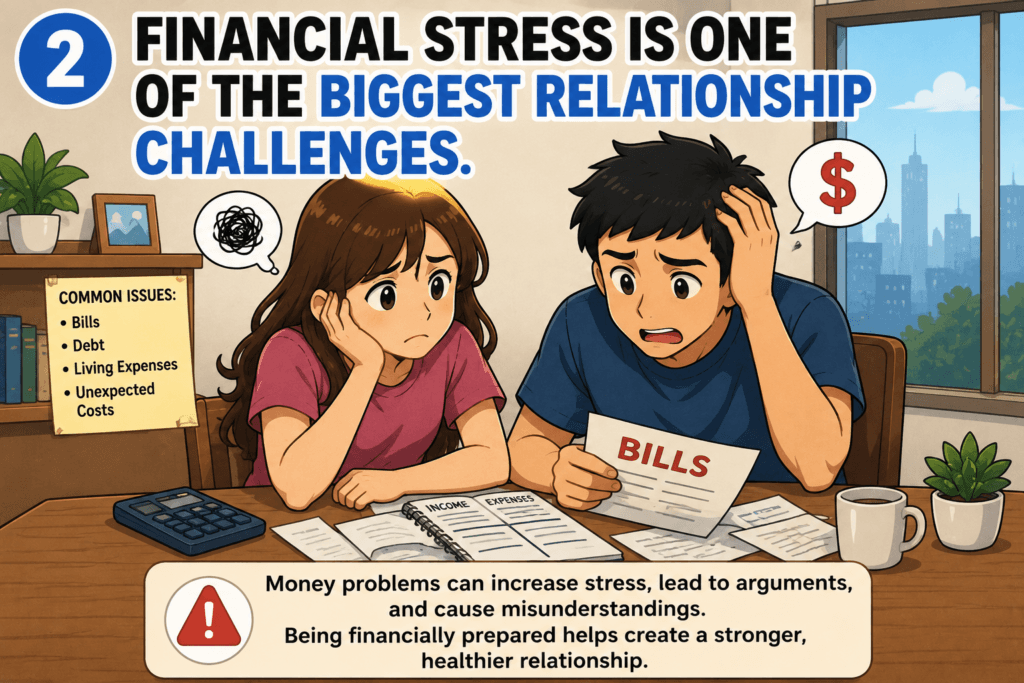
Financial pressure can increase stress, create misunderstandings, and magnify existing problems.
Building a stable career or financial foundation before making long-term commitments can reduce some of these pressures.
This allows couples to focus more on growing together than simply surviving.
3. Emotional Maturity Matters More Than Age
Many believe they’re ready for love just because they’ve reached a certain age.
Psychology suggests emotional maturity is often more important.
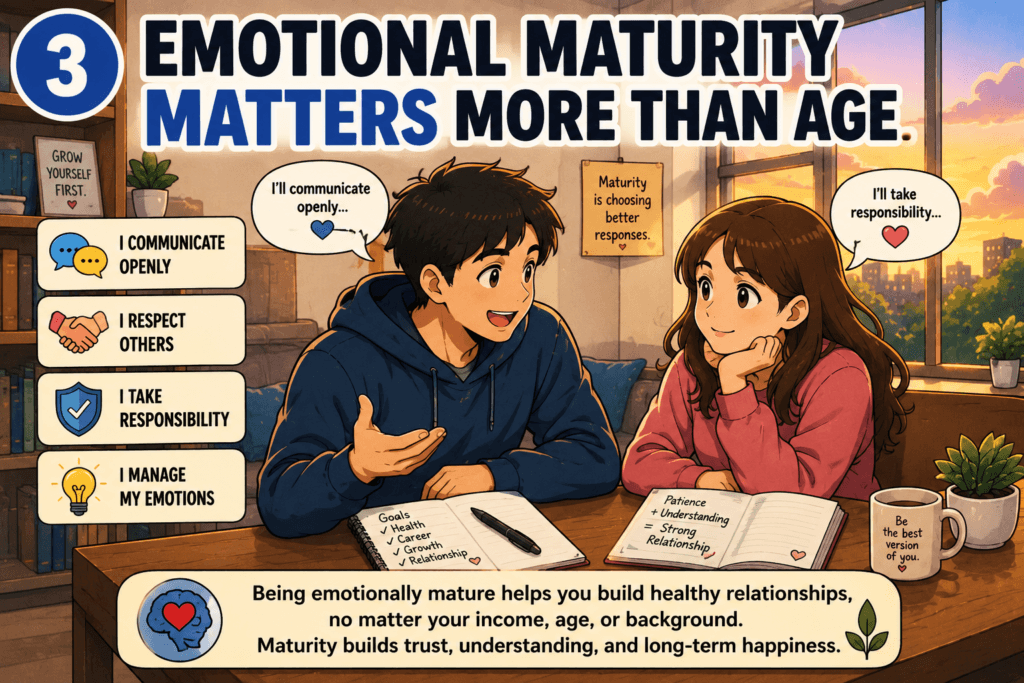
Qualities like honest communication, respectful conflict handling, emotional regulation, and responsibility support healthy relationships regardless of income or age.
Someone emotionally mature but still building a career may have a healthier relationship than someone financially successful but emotionally unavailable.
4. Waiting for the “Perfect Time” Can Become an Excuse
Some postpone relationships until they feel completely successful.
The problem is life rarely feels perfectly stable.
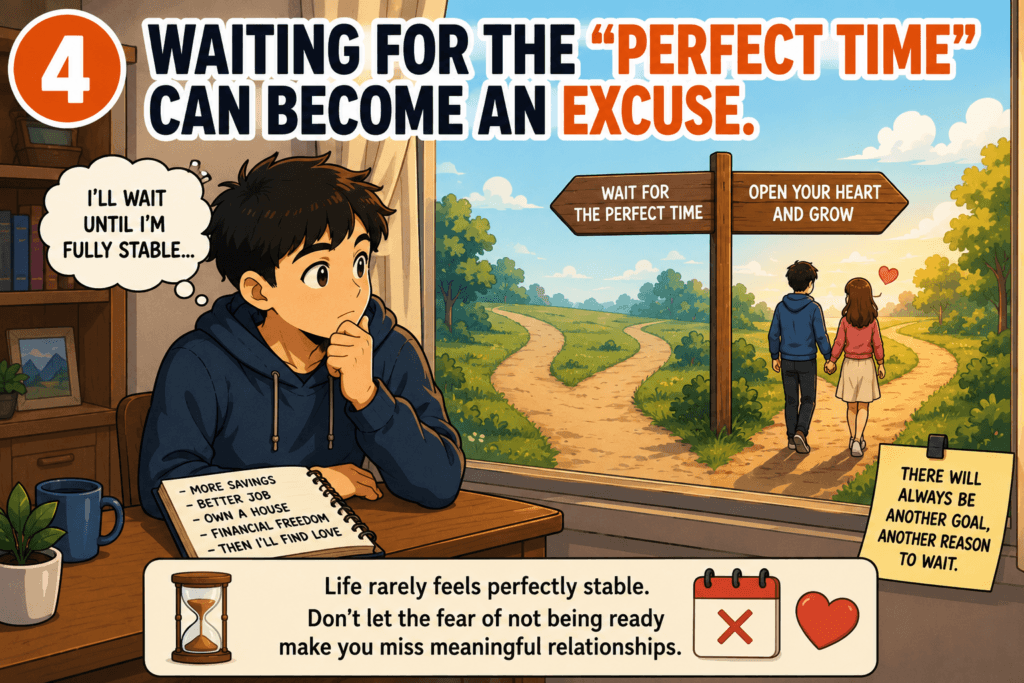
There will almost always be another promotion, financial goal, or reason to wait.
Delaying love until every part of life feels complete may cause missed opportunities to build meaningful relationships.
5. Building Together Can Create a Strong Bond
Many couples say overcoming challenges together strengthened their relationship.
Facing financial struggles, career changes, and life’s uncertainties can build trust and teamwork.
This only works when both partners are equally committed.
If one carries all the responsibility while the other avoids growth, resentment can develop over time.
6. Love Alone Cannot Build a Future
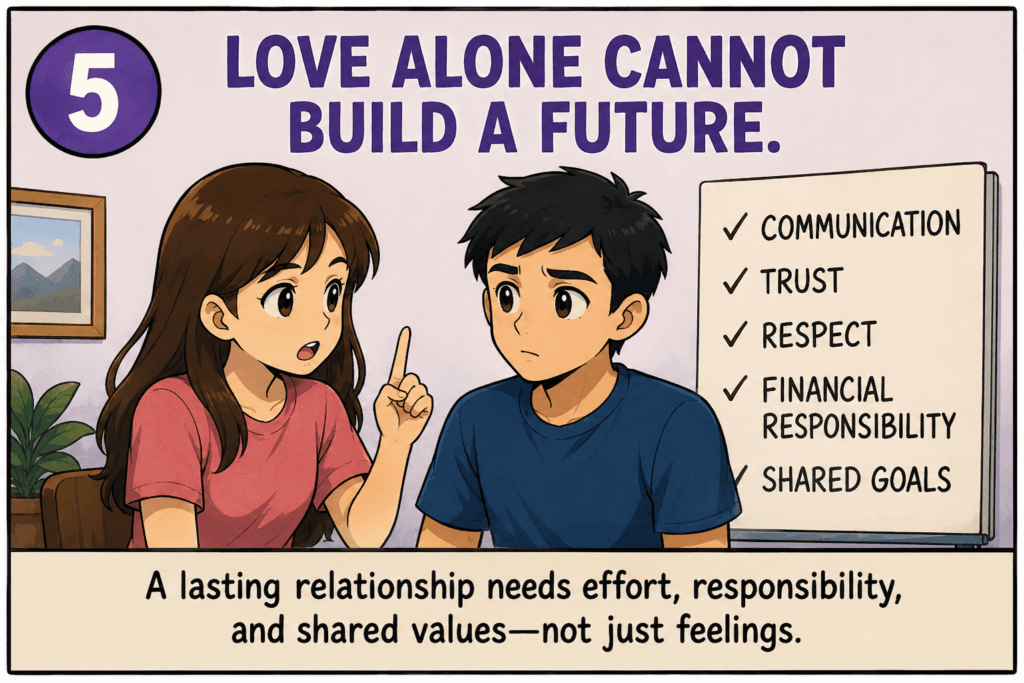
Love is an important foundation but cannot replace responsibility, communication, or effort.
Healthy relationships require planning, financial responsibility, mutual respect, and shared goals.
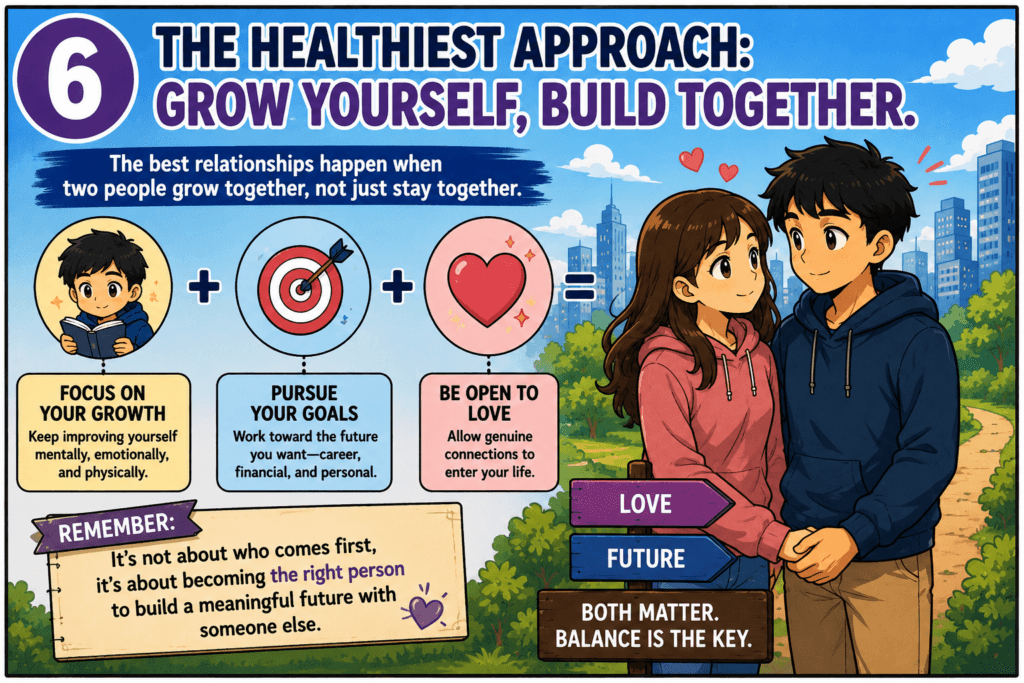
Psychologists describe successful long-term relationships as partnerships where both contribute consistently over time.
So, Which Should Come First?
Psychology doesn’t recommend choosing love or success exclusively.
Instead, it suggests growing in both areas whenever possible.
You don’t need to be wealthy before finding someone, but you should be willing to keep improving yourself.
Likewise, love alone won’t solve financial or personal challenges.
The healthiest relationships happen when two people commit to becoming better individuals while building a future together.
Final Thoughts
The question isn’t simply whether to choose love first or build your future first.
A better question is:
“Am I becoming the kind of person who can build a healthy future with someone else?”
Whether you meet your partner before or after financial stability, lasting relationships are built on:
- Trust
- Shared values
- Personal growth
- A willingness to face life’s challenges together
In the end, it’s not about who arrives first—it’s about whether both people keep building after they meet.