
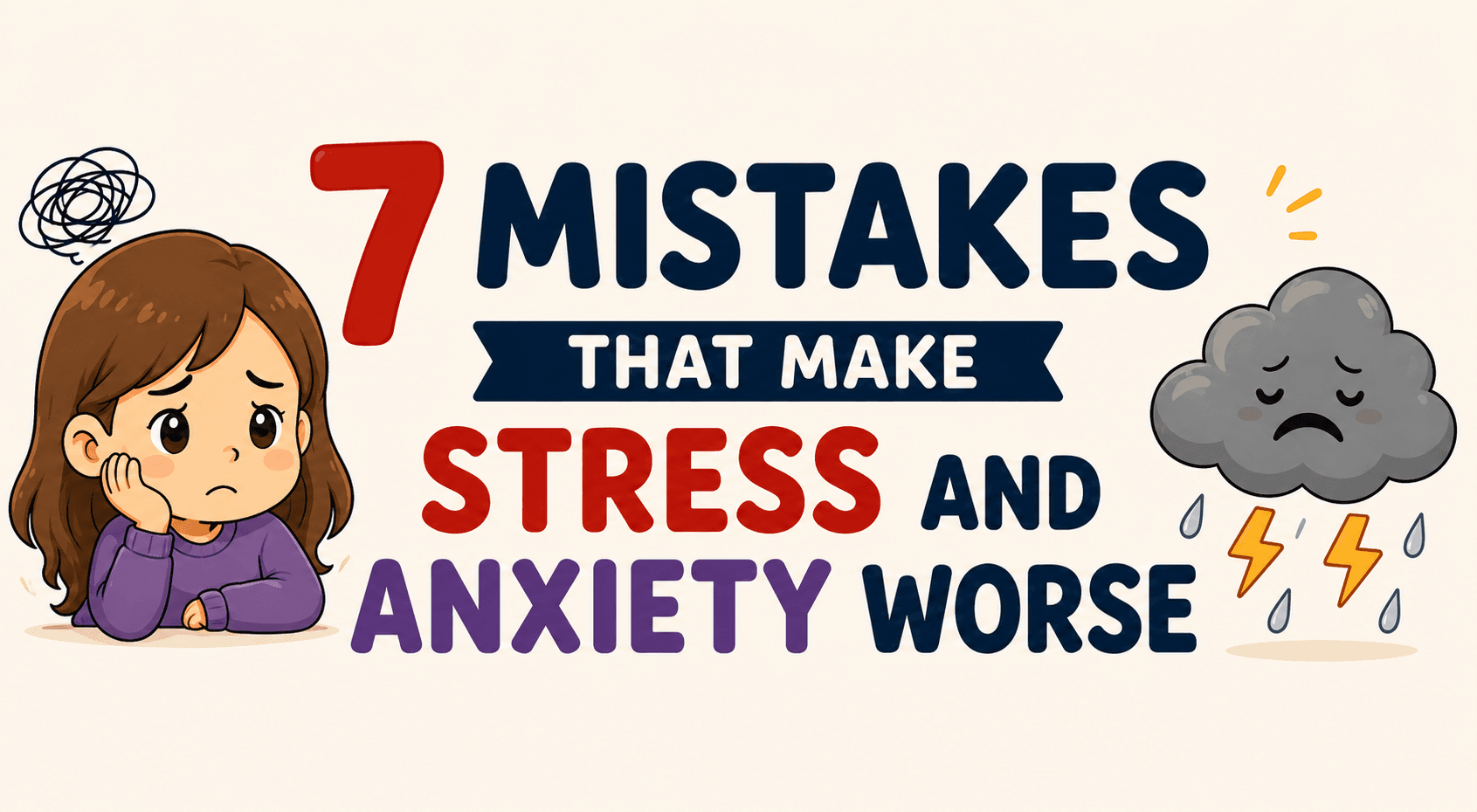
Stress and anxiety are part of life, but some of our daily habits can quietly make them much worse. Many people try to cope in ways that provide temporary relief, only to end up feeling even more overwhelmed later. By recognizing these common mistakes, you can start building healthier habits that support a calmer mind.
1. Keeping Everything to Yourself
When you’re stressed or anxious, it’s tempting to hide your feelings and pretend everything is fine. However, bottling up emotions often makes them grow stronger over time.
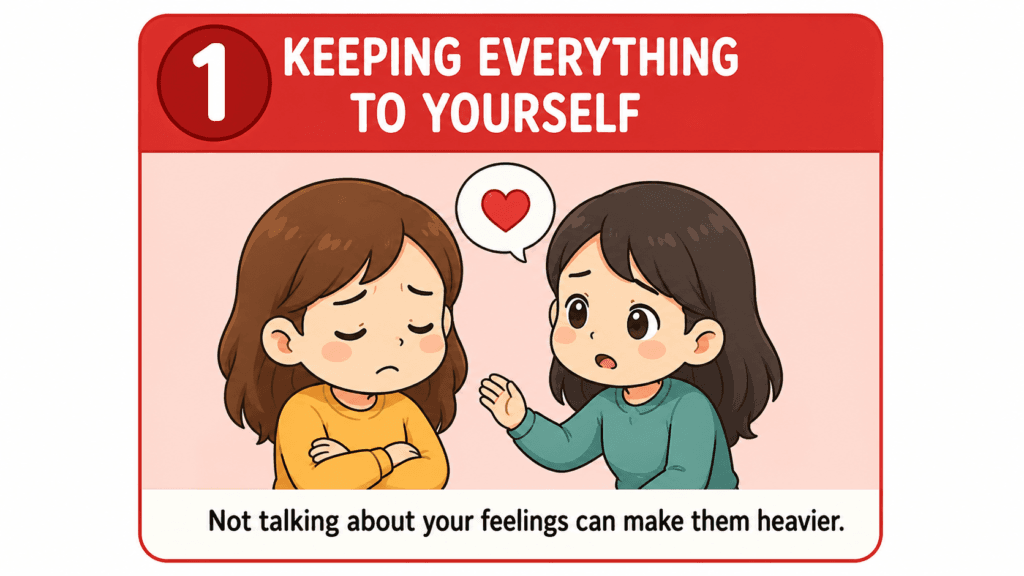
Talking to someone you trust can help you process your thoughts, gain perspective, and feel less alone. You don’t have to solve every problem by yourself.
2. Trying to Control Everything
Wanting certainty is natural, but life is full of things outside our control. Constantly worrying about every possible outcome only drains your mental energy.
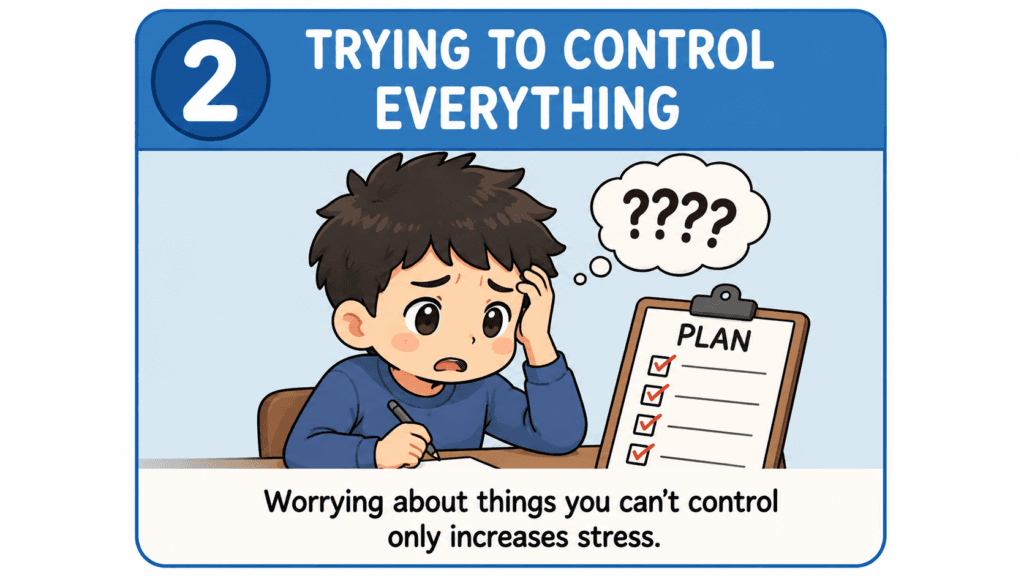
Instead, focus on the actions you can take today and accept that some uncertainty is simply part of life.
3. Ignoring Your Physical Health
Stress doesn’t only affect your mind—it affects your body too. Poor sleep, unhealthy eating, and lack of exercise can make anxiety feel much more intense.
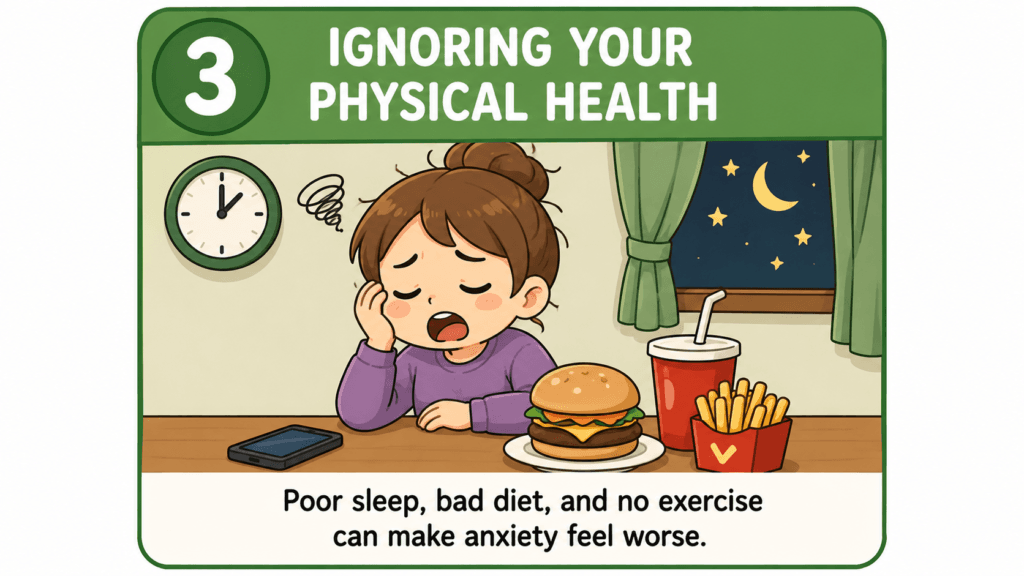
Simple habits like getting enough sleep, staying active, and eating balanced meals can improve both your physical and emotional well-being.
4. Constantly Scrolling Through Negative Content
Spending hours reading bad news or comparing yourself to others on social media can increase stress without you even noticing.
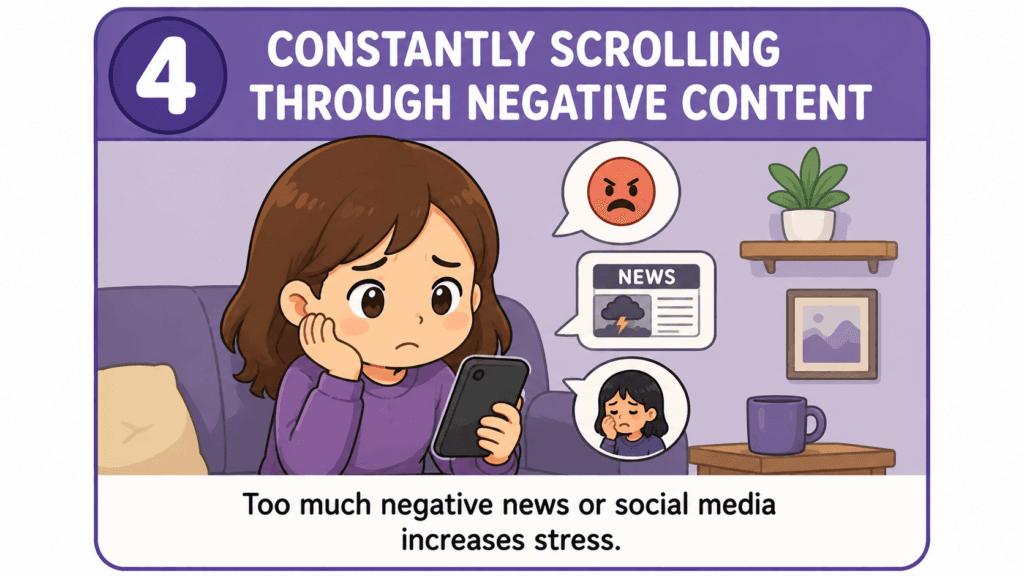
Give yourself regular breaks from your phone and spend time doing activities that help you relax and recharge.
5. Expecting Yourself to Be Perfect
Many people believe they must never make mistakes, but perfection is impossible. Unrealistic expectations often create unnecessary pressure and self-criticism.
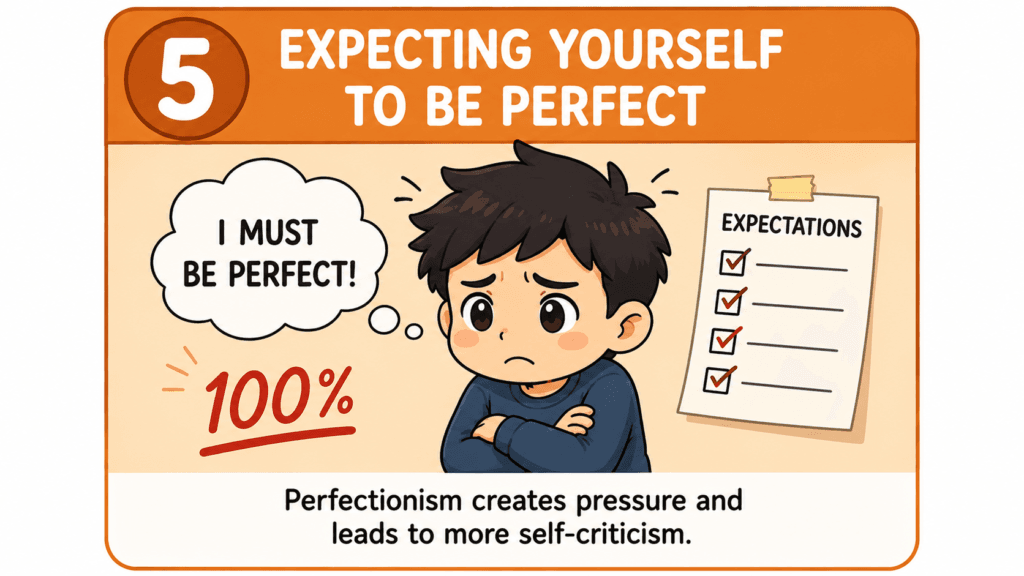
Accept that doing your best is enough, and remember that mistakes are part of learning and growth.
6. Avoiding Every Difficult Situation
Avoidance may bring temporary relief, but it often makes fears stronger over time. Problems that are ignored usually don’t disappear—they become harder to face.
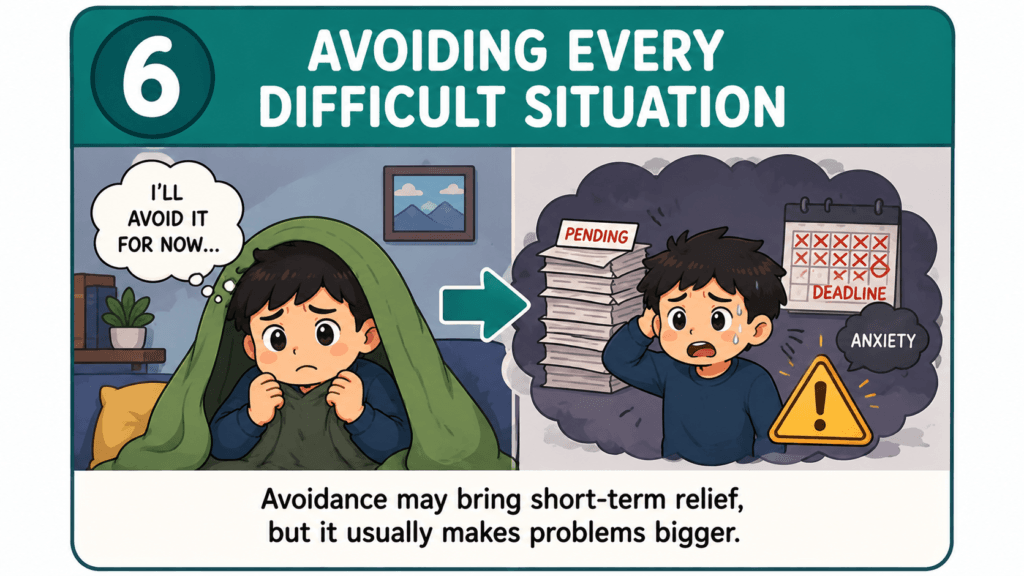
Whenever possible, deal with challenges one small step at a time instead of avoiding them completely.
7. Believing Stress Will Go Away on Its Own
Some stressful situations improve with time, but chronic stress often requires intentional action. Waiting without making changes can allow stress and anxiety to build.
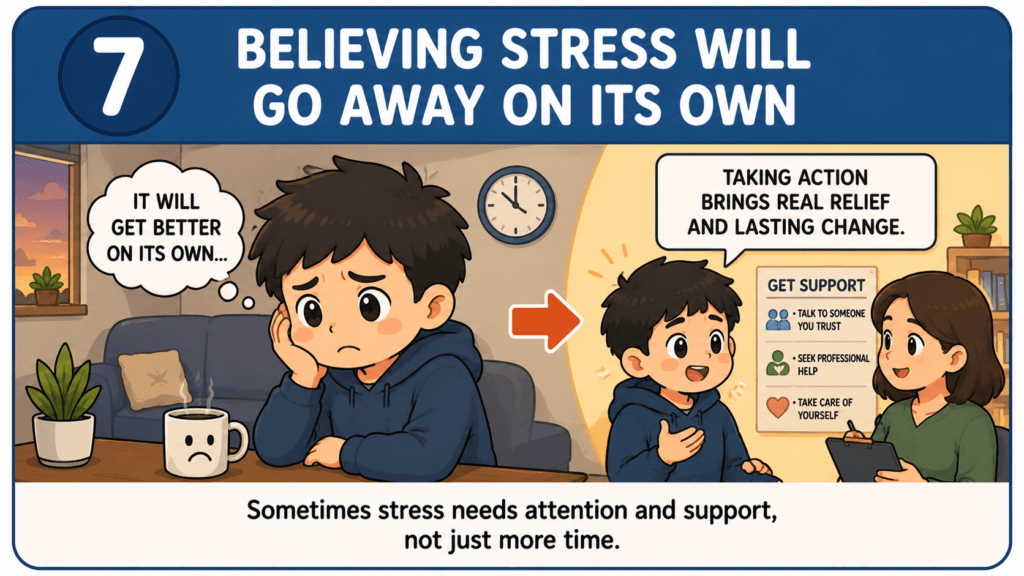
If your stress is affecting your daily life, relationships, work, or sleep, don’t hesitate to seek support from a trusted friend or a qualified mental health professional.
Final Thoughts
Everyone experiences stress and anxiety differently, but small daily choices can have a big impact on how you feel. By avoiding these common mistakes and practicing healthier coping strategies, you can build greater emotional resilience over time.
Remember, progress doesn’t happen overnight. Even one positive change today can make tomorrow feel a little lighter.