
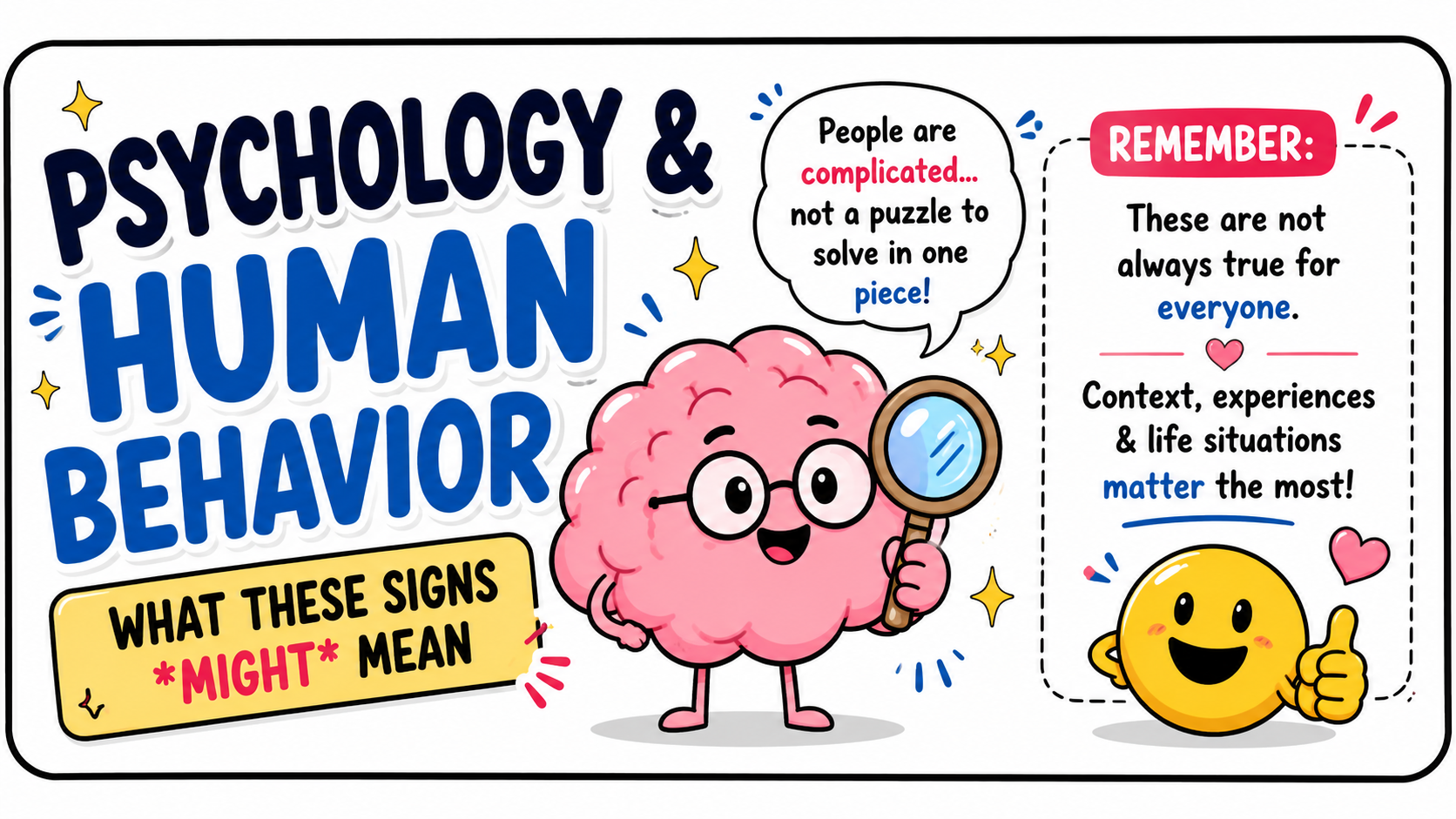
Human behavior is complex. We often try to understand emotions through habits, reactions, and personality traits.
But here’s the truth: people are more complicated than a single “sign” or behavior.
While some actions can hint at emotions or struggles, they don’t always tell the full story.
Let’s explore these psychology claims with a more realistic perspective.
1. Sleeping a Lot May Signal Emotional Struggles
Some people who sleep excessively may be emotionally drained, stressed, overwhelmed, or even sad.
Sleep can sometimes become a form of escape from pressure, loneliness, or mental exhaustion.
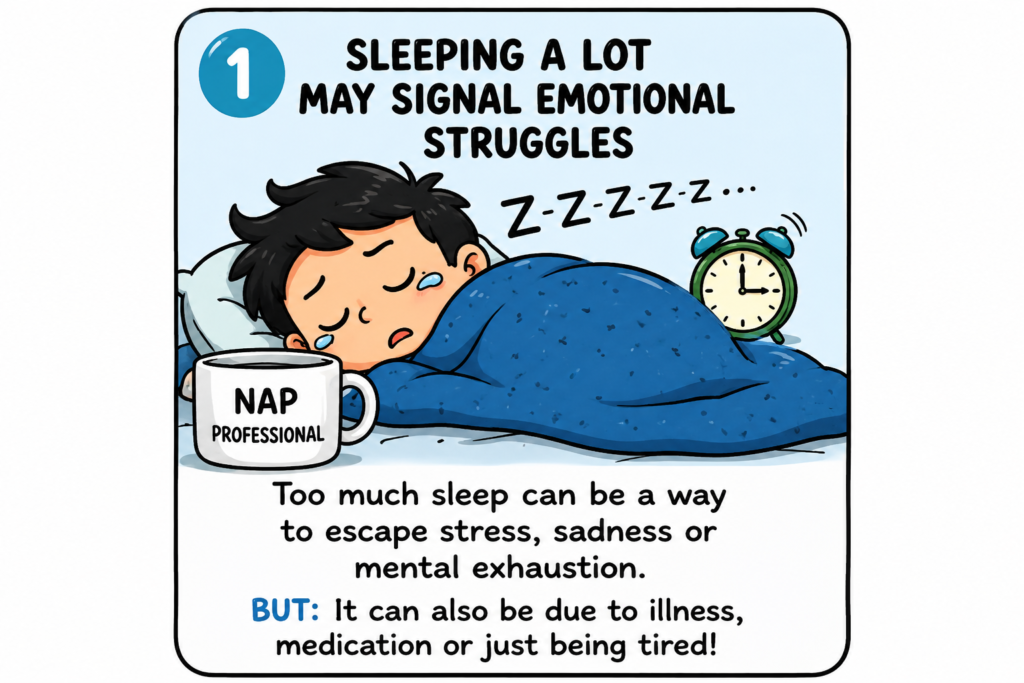
However, sleeping a lot does not automatically mean someone is unhappy.
It can also happen due to lack of rest, physical illness, medication, depression, exhaustion, or simply personal habits.
Reality: Too much sleep can sometimes reflect emotional struggles—but context matters.
2. Laughing a Lot Doesn’t Always Mean Happiness
You may have heard the phrase, “The happiest people are sometimes hurting the most.”
Some individuals joke around or laugh constantly to hide pain, loneliness, or insecurity.
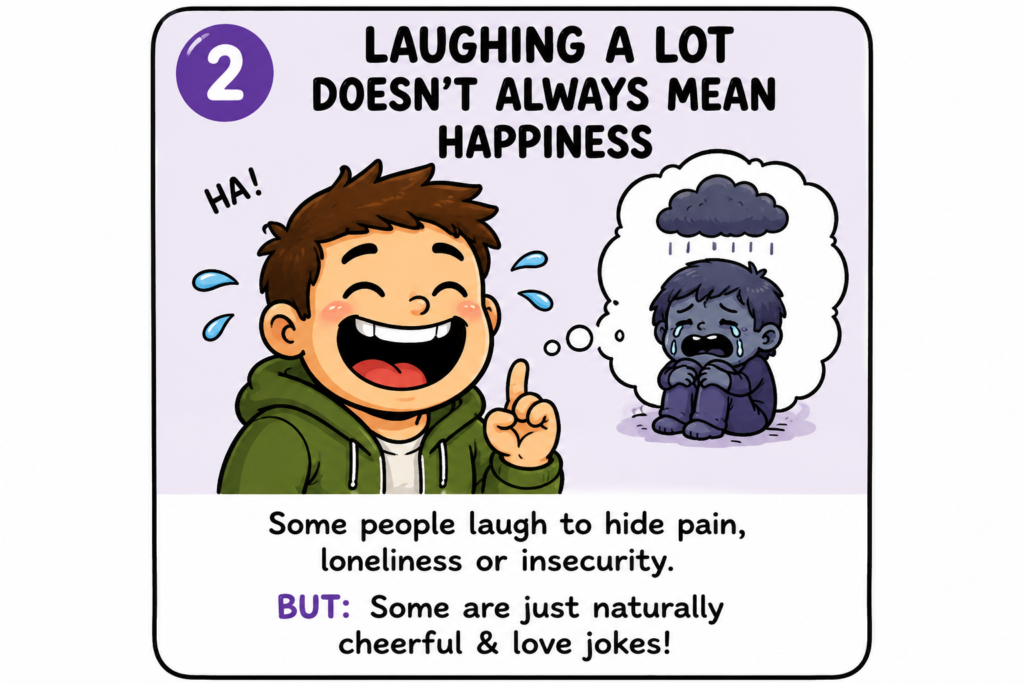
Still, laughing often doesn’t always mean someone feels lonely inside.
Some people are naturally cheerful, social, or simply enjoy humor.
Reality: A smile can hide pain—but it can also be genuine.
3. Lying Frequently Can Reflect Insecurity
People sometimes lie because they fear judgment, rejection, punishment, embarrassment, or want approval from others.
Insecurity may play a role when someone exaggerates or hides the truth to appear “better.”
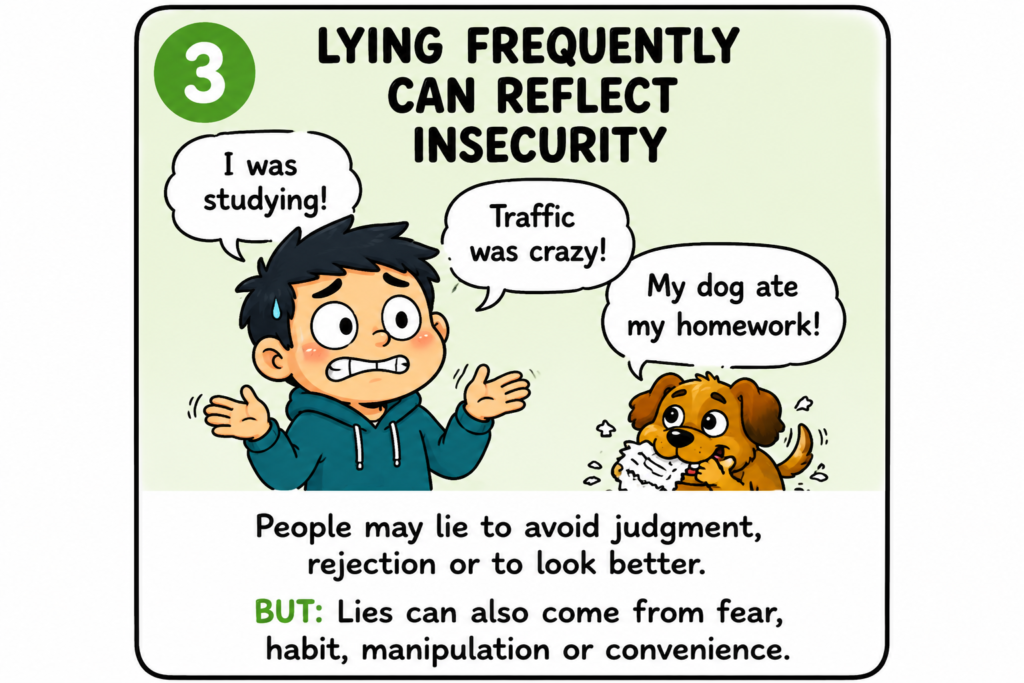
But not all lies come from insecurity.
Some people lie out of habit, manipulation, fear, convenience, or self-protection.
Reality: Frequent lying may point to insecurity, but there are many possible reasons.
4. Wanting Attention or Standing Out
People who constantly seek attention or validation may sometimes have unmet emotional needs from childhood, low self-esteem, or a desire to feel seen and appreciated.
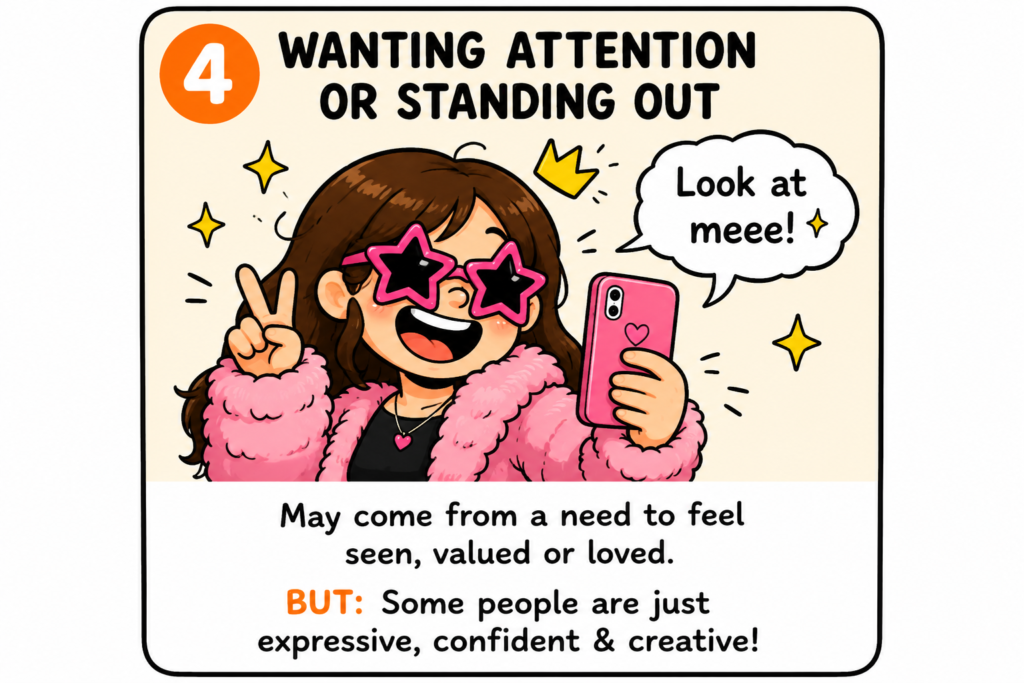
At the same time, wanting to stand out isn’t automatically a sign of emotional neglect.
Some people are naturally expressive, ambitious, creative, or confident.
Reality: Seeking attention can come from insecurity—or simply personality.
5. Crying Over Small Things Doesn’t Mean Weakness
Some people cry easily because they are highly emotional, empathetic, stressed, exhausted, overwhelmed, or emotionally sensitive.
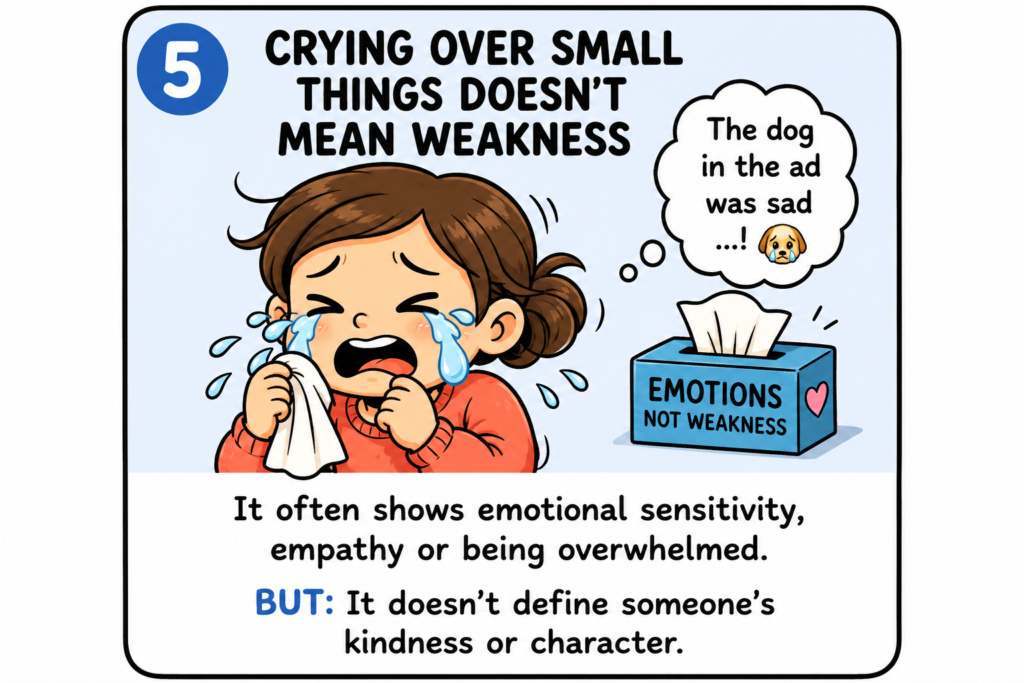
Crying doesn’t automatically mean someone is “pure” or “kind,” but emotional sensitivity can sometimes reflect compassion and deep feelings.
Reality: Crying easily often shows emotional intensity, not weakness.
6. Aggressive Behavior May Hide Pain
Anger and aggression can sometimes hide emotional pain, frustration, trauma, insecurity, stress, or unresolved problems.
Some people lash out because they struggle to express sadness or hurt.
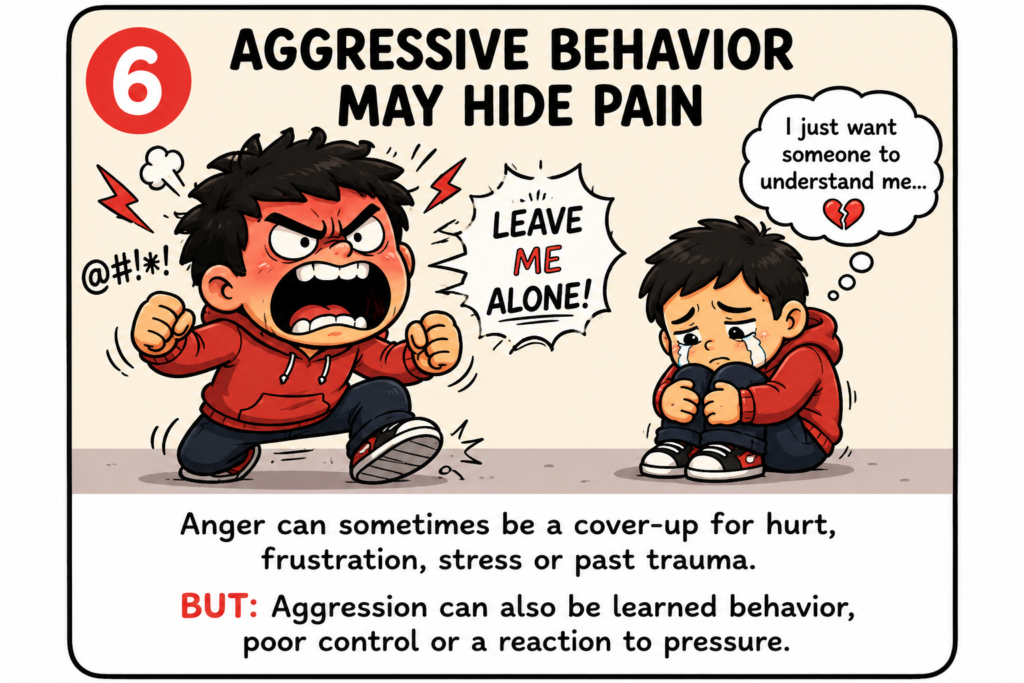
Still, aggression doesn’t always equal hidden pain—it can also be learned behavior, poor emotional control, or situational stress.
Reality: Sometimes anger hides pain, but not always.
7. Quiet People in Big Groups
People who speak less in crowds are sometimes thoughtful observers who prefer listening over talking.
Some may indeed be emotionally strong or wise.
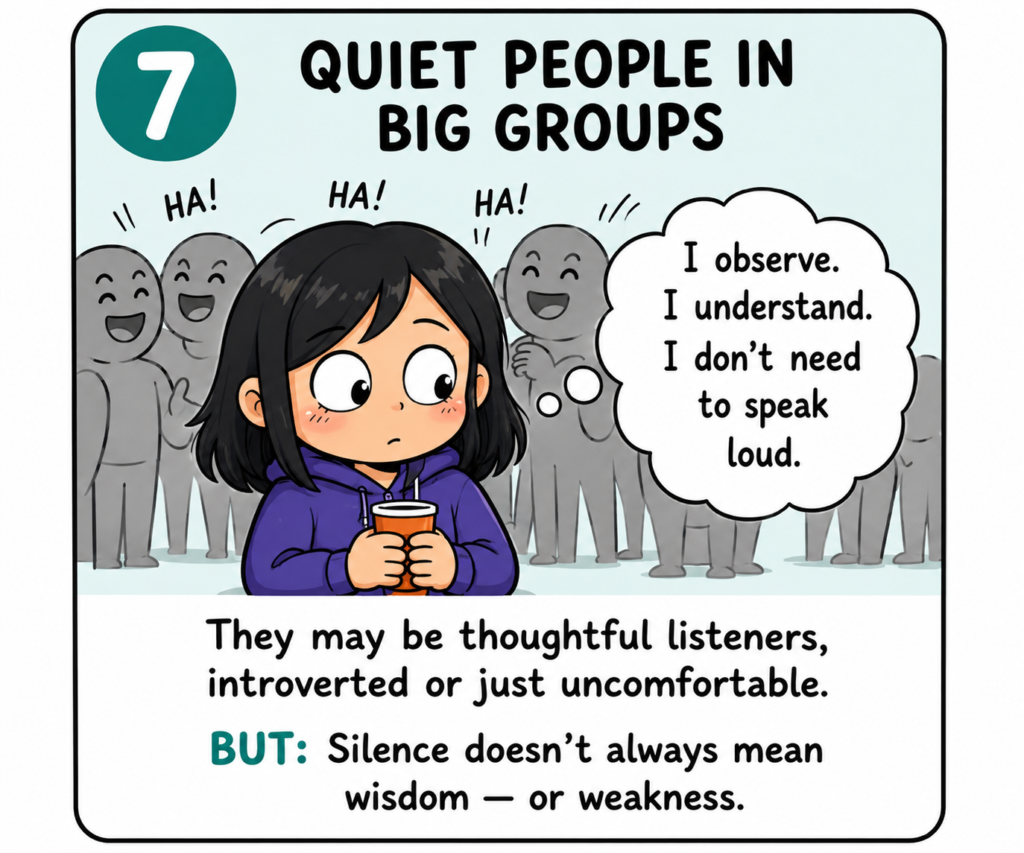
But silence can also come from shyness, anxiety, introversion, discomfort, or simply having nothing to say.
Reality: Quietness doesn’t automatically mean wisdom—or weakness.
8. Strange Eating Habits and Tension
Stress and anxiety can affect eating habits.
Some people overeat, undereat, eat too fast, too slowly, or develop unusual eating patterns when tense.
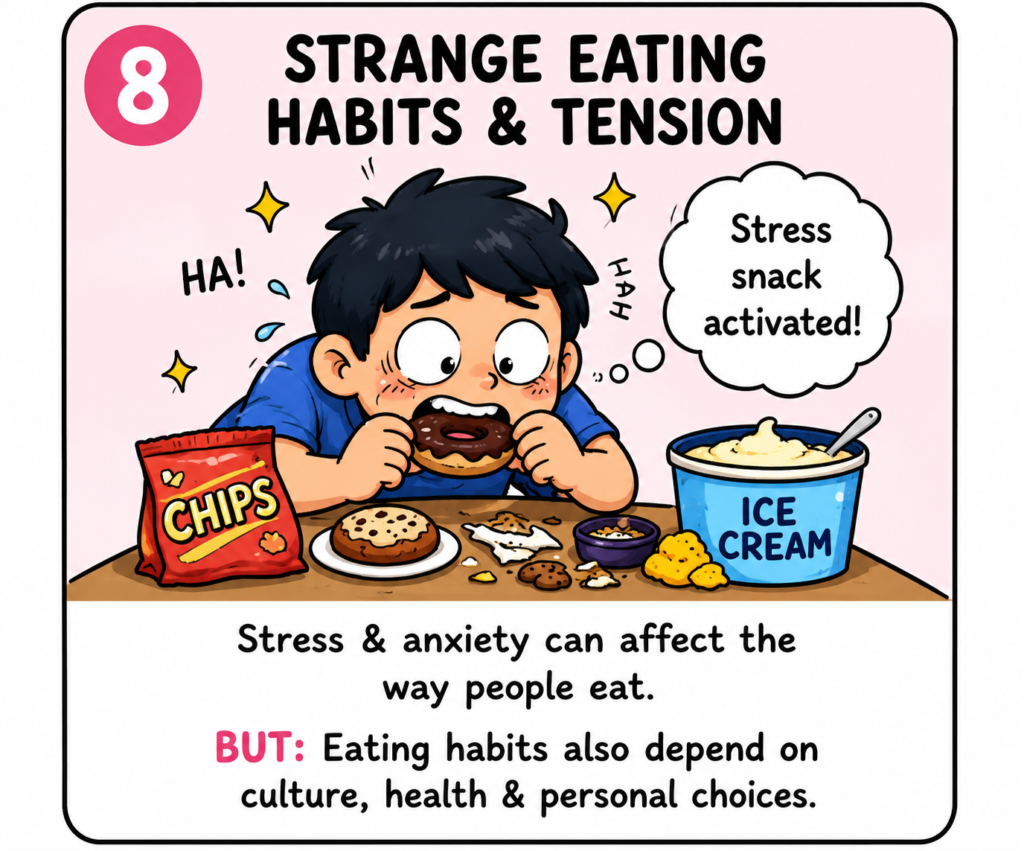
However, eating habits can also be shaped by culture, personality, routine, health issues, or preference.
Reality: Food behavior can reflect stress—but not always.
Final Thought
Psychology isn’t as simple as “If someone does this, it means that.”
Human behavior is shaped by personality, experiences, emotions, trauma, health, environment, and life circumstances.
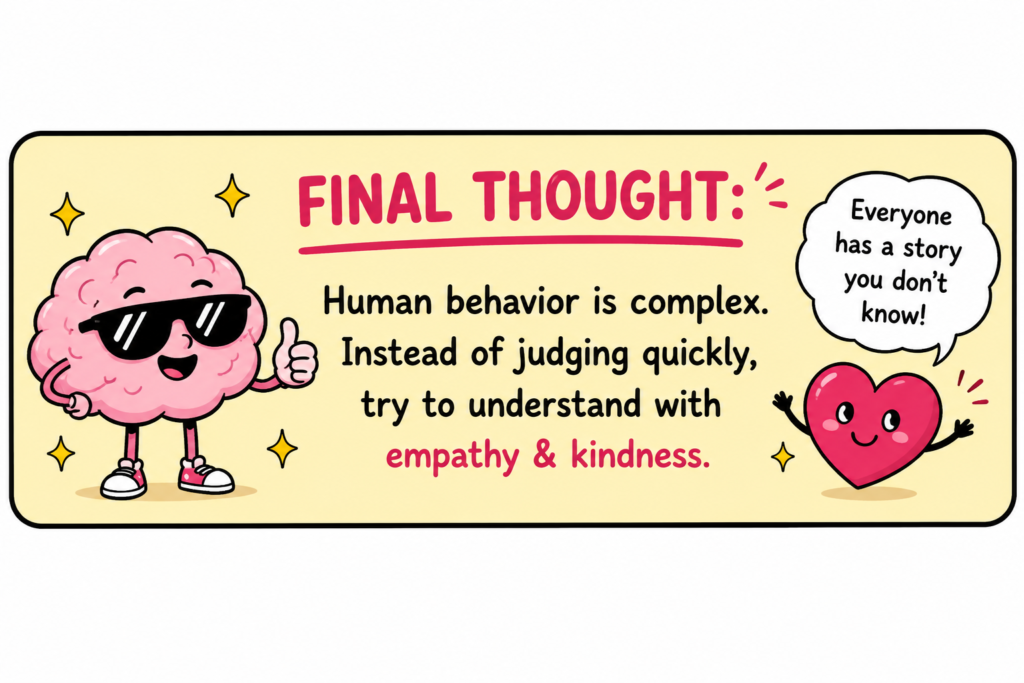
Instead of judging quickly, try to understand people with curiosity and empathy—because sometimes, what we see on the outside tells only part of the story.