
Moving on is one of the hardest emotional journeys a person can experience. Whether you’re letting go of a relationship, a close friendship, or someone you deeply cared about, healing rarely happens overnight. Some days you’ll feel like you’re making progress, and other days a single memory can bring back emotions you thought were gone. That’s completely normal. Moving on isn’t about forgetting the past—it’s about learning how to live without letting it control your future. Here are six of the hardest parts of moving on.
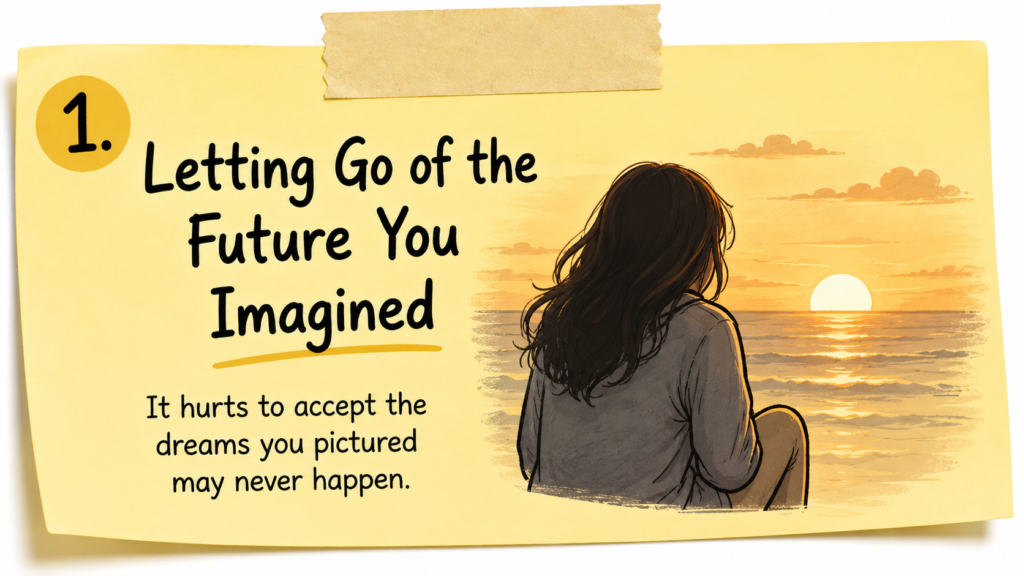
1. Letting Go of the Future You Imagined
Sometimes the most painful part isn’t losing the person—it’s losing the future you pictured with them. You may have imagined growing old together, traveling, celebrating milestones, or simply sharing everyday moments. Letting go means accepting that those dreams may never happen, and that can be just as heartbreaking as the goodbye itself.
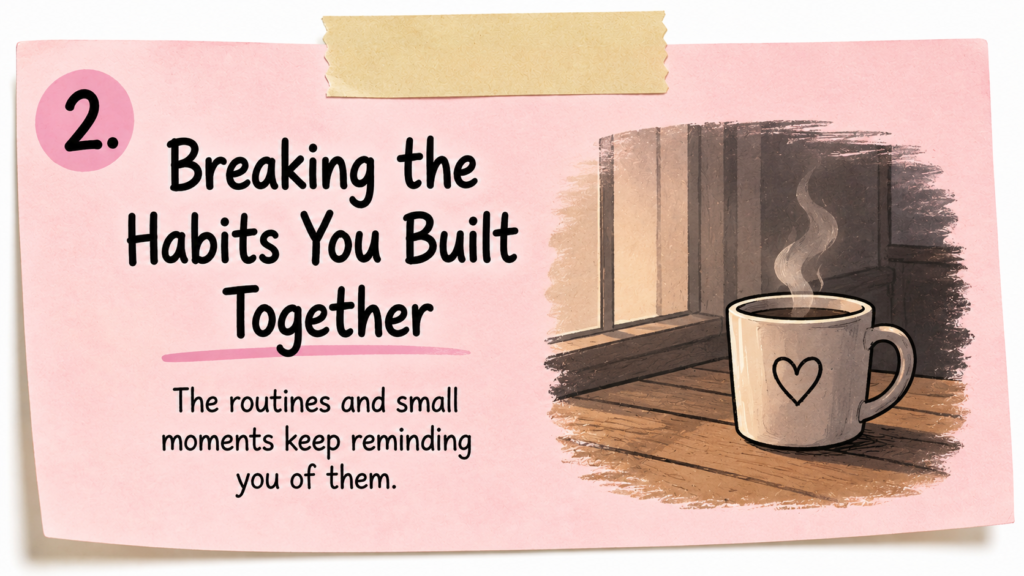
2. Breaking the Habits You Built Together
When someone has been part of your daily routine, their absence is impossible to ignore. You might instinctively want to message them when something exciting happens or think about them when you visit places you once shared. These habits were built over time, so it’s natural that they take time to fade as well.
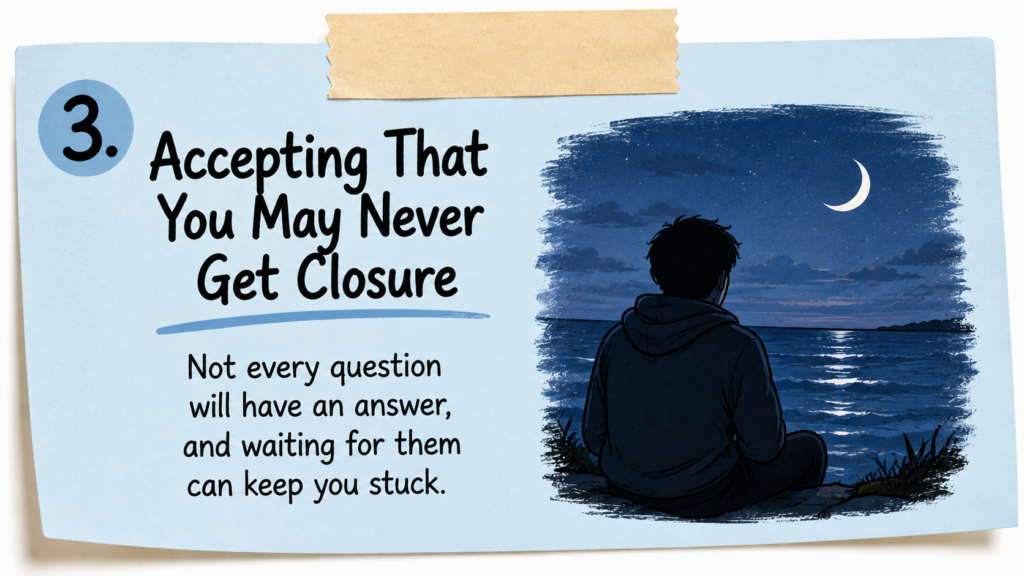
3. Accepting That You May Never Get Closure
Not every relationship ends with an honest conversation or a clear explanation. Sometimes people leave without giving the answers you hoped for. Waiting for perfect closure can keep you trapped in the past. In many cases, healing begins when you accept that not every question will be answered.
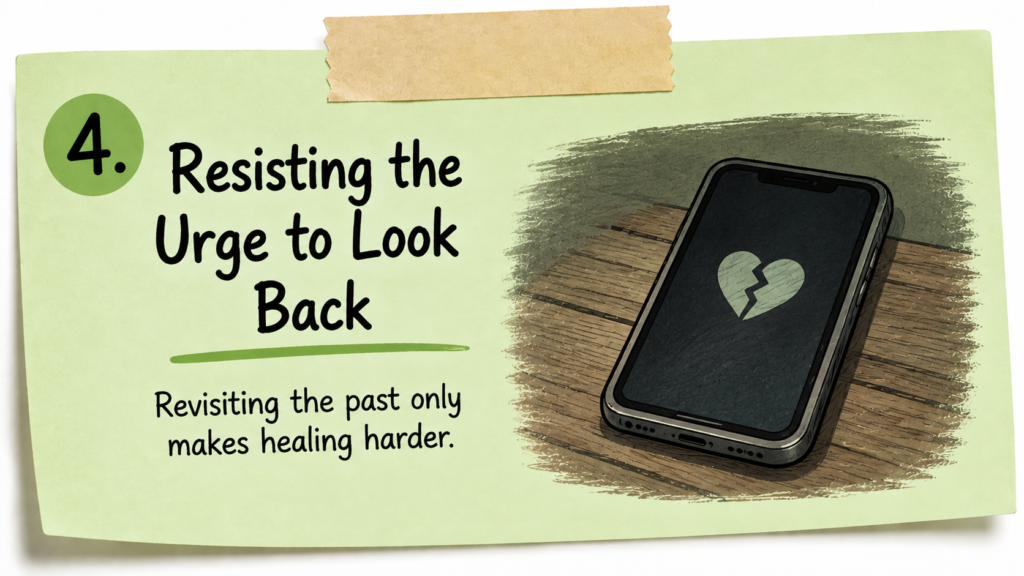
4. Resisting the Urge to Look Back
Looking through old photos, rereading messages, or checking someone’s social media can feel comforting for a moment, but it often reopens emotional wounds. While remembering the good times is natural, constantly reliving them can make it harder to focus on the life that’s waiting ahead.
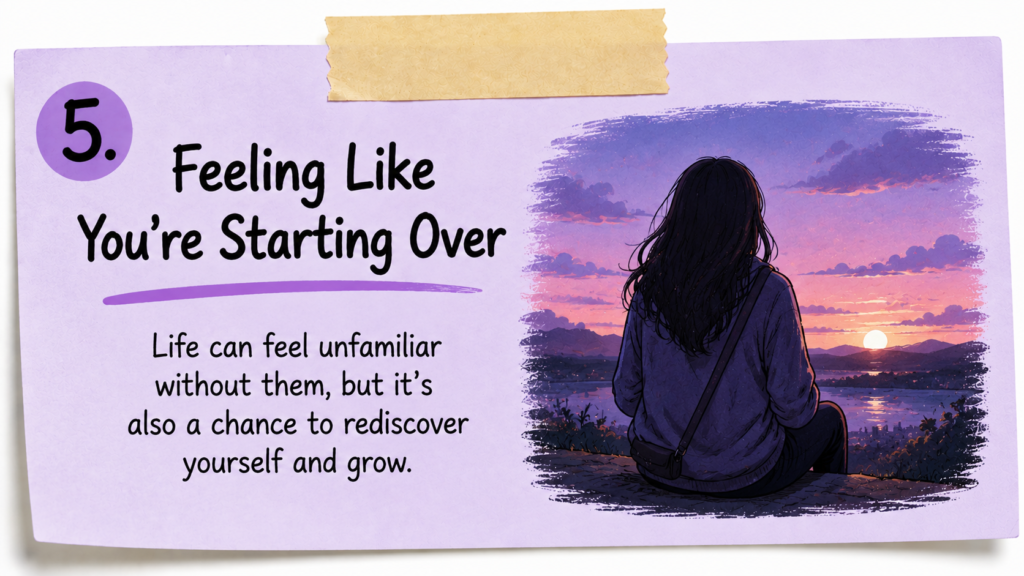
5. Feeling Like You’re Starting Over
After a meaningful relationship ends, life can suddenly feel unfamiliar. Plans change, routines disappear, and you may even question who you are without that person. Starting over can feel overwhelming, but it’s also an opportunity to rediscover your interests, build new memories, and grow into a stronger version of yourself.
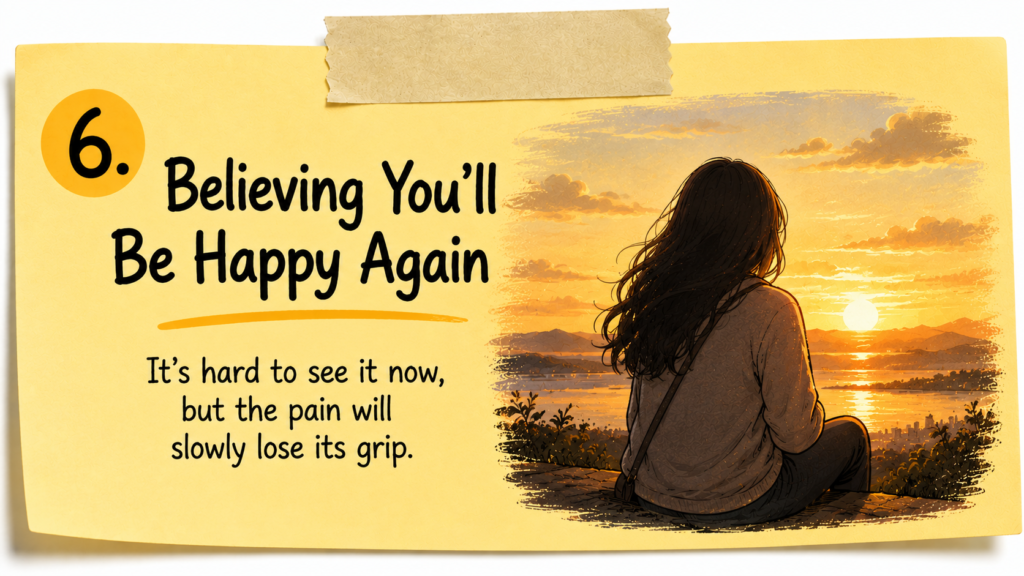
6. Believing You’ll Be Happy Again
Perhaps the hardest challenge is believing that the pain won’t last forever. During difficult moments, it can feel like you’ll never laugh the same way again or find another meaningful connection. But healing happens gradually. One day you’ll notice that the memories hurt a little less, you’ll smile more often, and you’ll realize that moving on didn’t erase your past—it simply gave you the chance to build a new future.
Final Thoughts
Moving on doesn’t mean pretending someone never mattered. It means accepting that they were an important chapter in your life, appreciating what you learned, and allowing yourself to continue writing the rest of your story. Healing isn’t measured by how quickly you forget—it’s measured by how gently you learn to carry the past without letting it hold you back. Every step forward, no matter how small, is proof that you’re growing stronger.