
Marriage is often described as one of life’s greatest commitments. It can bring love, companionship, and a sense of belonging.
But like any long-term relationship, it also comes with challenges that many couples don’t expect.
Understanding these realities doesn’t mean marriage is doomed. It means being prepared for the obstacles that can appear along the way.
Recognizing them early gives couples a better chance of building a stronger and healthier relationship.
1. Love Alone Isn’t Enough
Love is an important foundation, but it cannot solve every disagreement or overcome every challenge by itself.
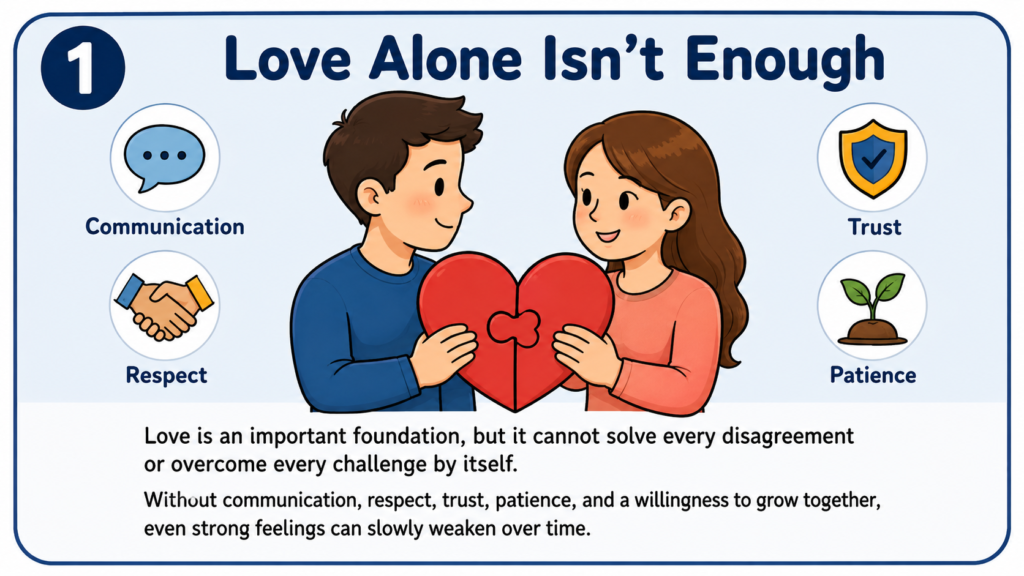
Successful marriages also require communication, respect, trust, patience, and a willingness to grow together.
Without those qualities, even strong feelings can slowly weaken over time.
2. Emotional Distance Can Happen Gradually
Most couples don’t wake up one day feeling disconnected.
Emotional distance usually develops little by little through busy schedules, unresolved conflicts, or simply taking each other for granted.
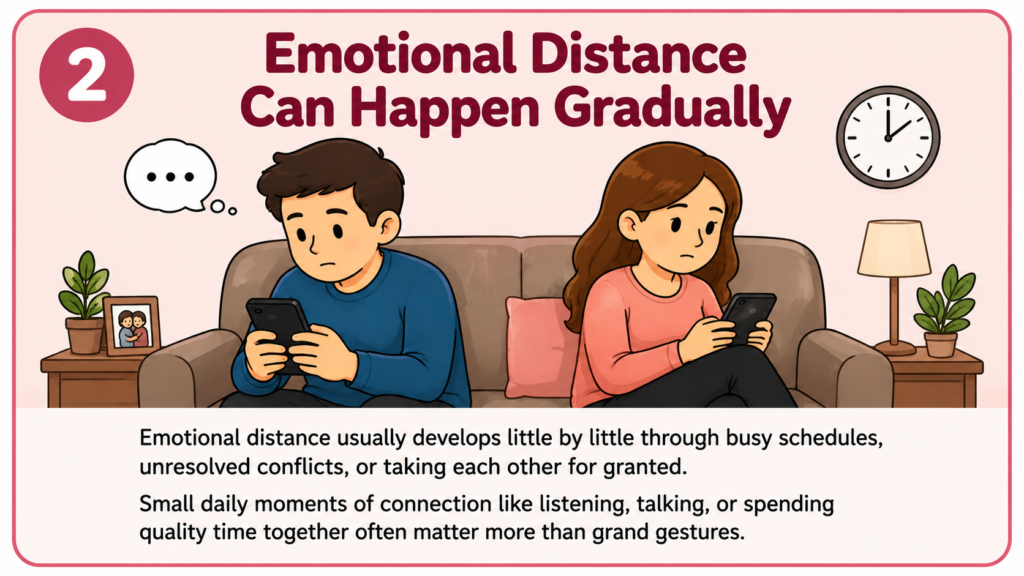
Small daily moments of connection—like listening, talking, or spending quality time together—often matter more than grand romantic gestures.
3. Unresolved Problems Rarely Disappear on Their Own
Avoiding difficult conversations may seem easier in the moment, but ignored problems often continue to grow beneath the surface.
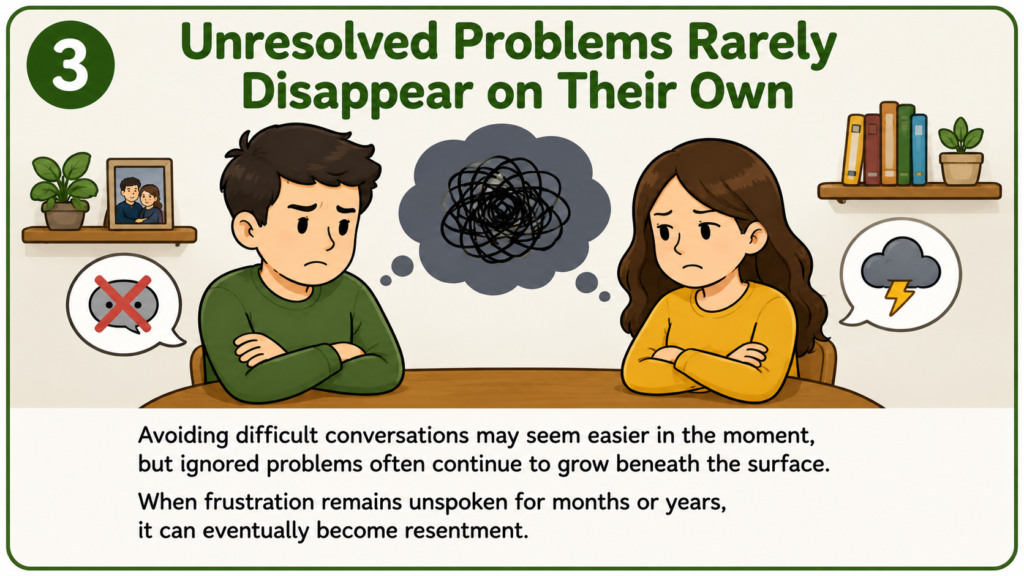
When frustration remains unspoken for months or years, it can eventually become resentment, making reconciliation much more difficult.
4. Your Partner Can’t Meet Every Emotional Need
Many people expect marriage to provide complete happiness, constant understanding, and endless emotional support.

While partners should support each other, it’s also healthy to maintain friendships, hobbies, personal goals, and individual identities.
A balanced life often strengthens the relationship instead of weakening it.
5. Financial Pressure Can Test Even Strong Relationships
Money isn’t just about paying bills. It reflects priorities, habits, goals, and sometimes personal values.
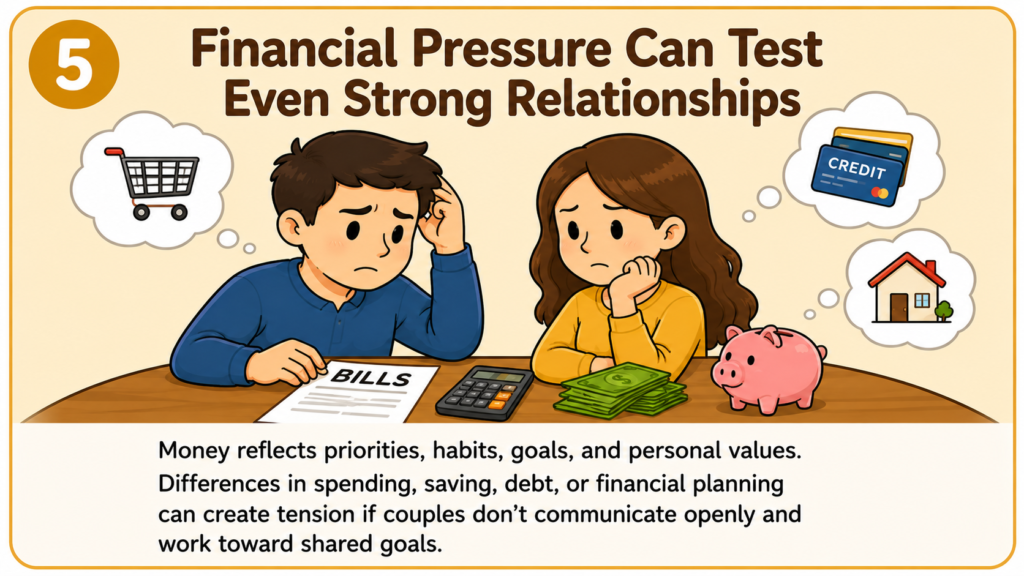
Differences in spending, saving, debt, or financial planning can create tension if couples don’t communicate openly and work together toward shared goals.
6. Staying Together Doesn’t Always Mean the Relationship Is Healthy
Some couples remain married because of children, financial concerns, family expectations, or fear of starting over.
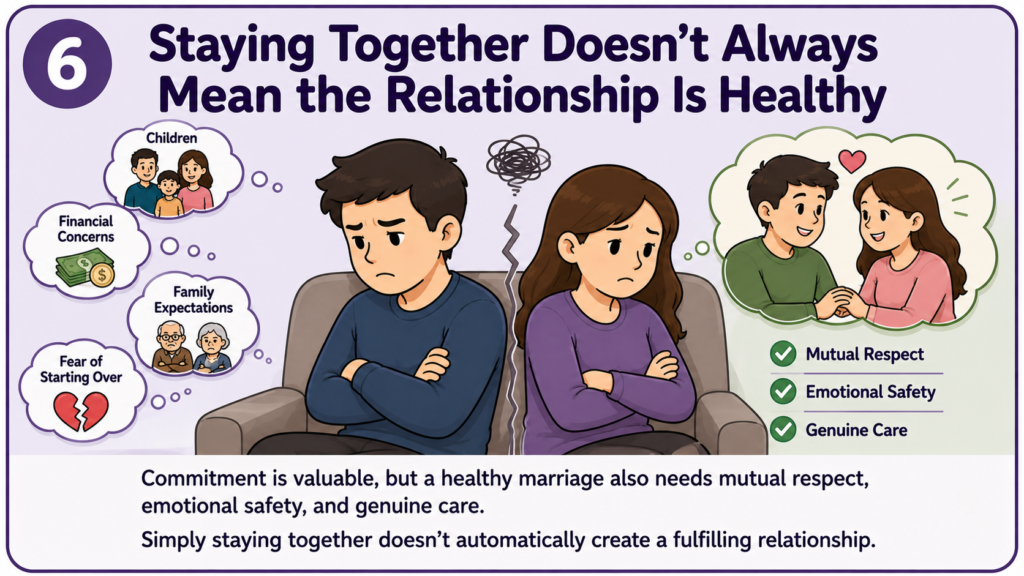
While commitment is valuable, a healthy marriage should also include mutual respect, emotional safety, and genuine care.
Simply staying together doesn’t automatically create a fulfilling relationship.
7. A Strong Marriage Requires Ongoing Effort
One of the biggest misconceptions is that marriage becomes easy once the wedding is over.
In reality, healthy relationships require continuous effort.
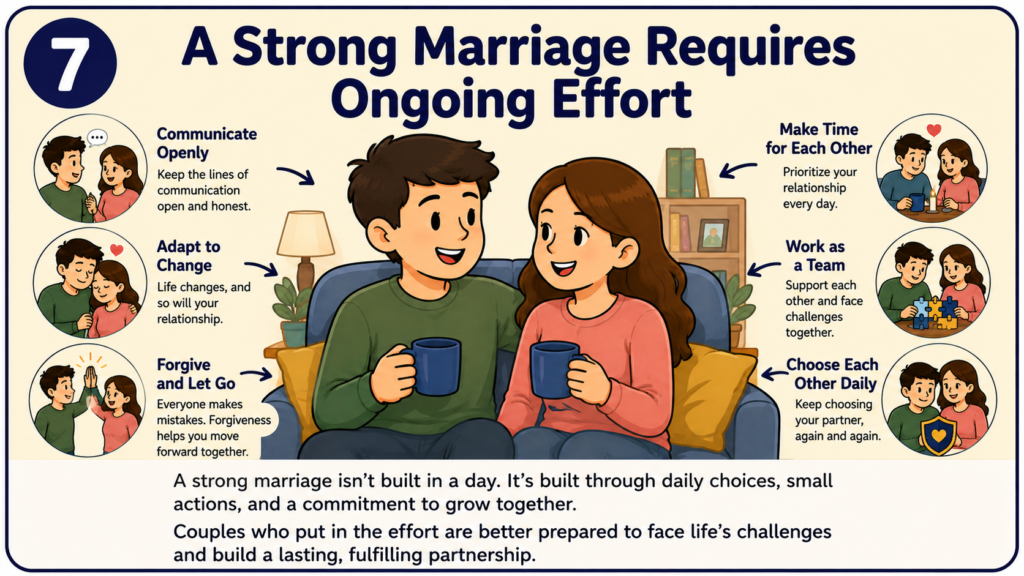
Couples who keep communicating, adapting to life’s changes, forgiving mistakes, and making time for each other are often better equipped to face life’s challenges together.
Final Thoughts
i
Marriage isn’t perfect, and it was never meant to be.
Every relationship experiences seasons of joy, struggle, growth, and change.
The hidden challenges of marriage aren’t reasons to avoid commitment. They’re reminders that lasting relationships are built through consistent effort, honest communication, and mutual respect.
Couples who acknowledge these realities are often better prepared to create a partnership that grows stronger over time rather than weaker.
Instead of fearing the difficult moments, view them as opportunities to understand each other more deeply and build a marriage that can withstand life’s inevitable challenges.