
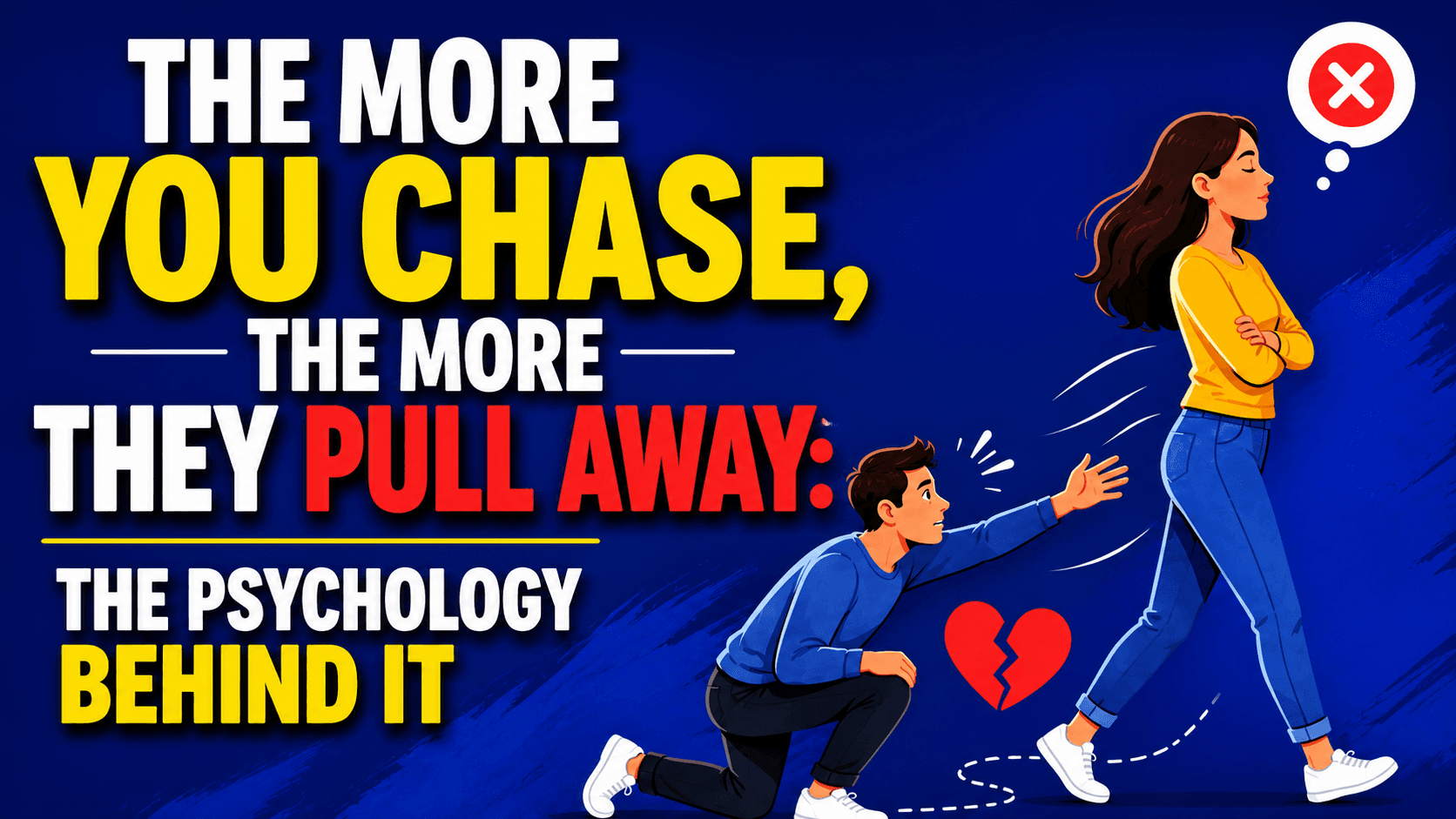
Have you ever noticed that the harder you try to keep someone’s attention, the more distant they seem to become?
Whether it’s in dating, friendships, or family relationships, many people experience this frustrating pattern.
Psychology offers several explanations for why excessive chasing can sometimes push people away instead of bringing them closer.
People Naturally Value Freedom
1. Autonomy Is a Basic Need
One of our strongest psychological needs is autonomy—the feeling that we have control over our own choices.
When someone feels constantly pursued through repeated messages, frequent reassurance, or pressure to spend more time together, they may begin to feel their personal space shrinking.
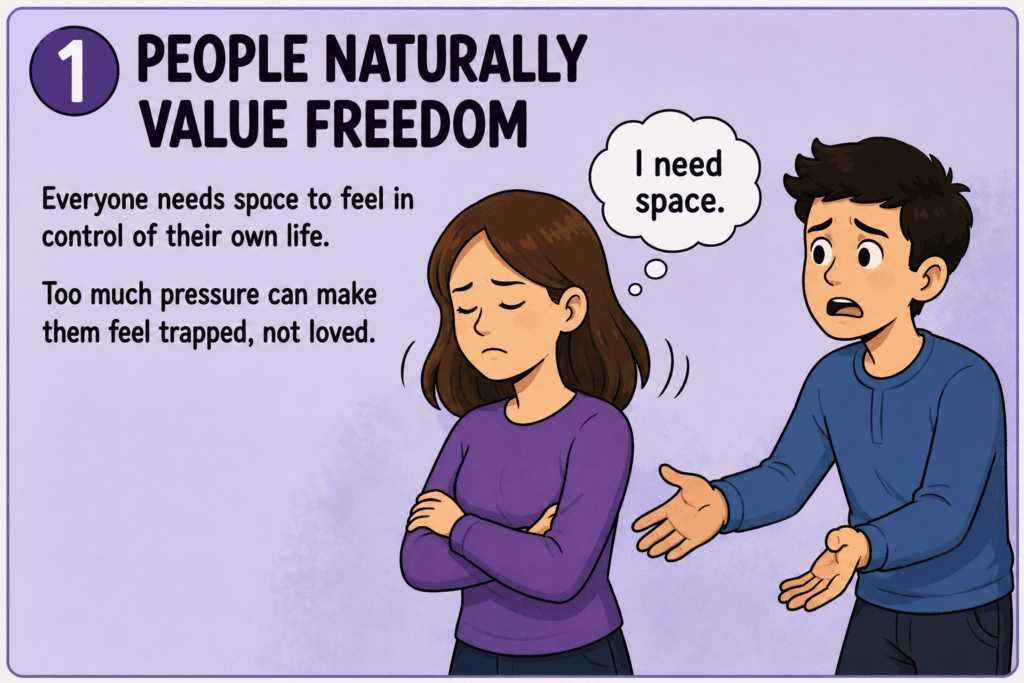
Even if your intentions are loving, they might interpret it as pressure rather than affection.
Healthy relationships grow when both people choose to be together, not when one feels obligated.
Constant Availability Can Reduce Mystery
2. Attraction Thrives on Curiosity
Part of attraction often comes from curiosity.
If someone always knows where you are, what you’re doing, and that you’ll always be available, the relationship may lose some excitement.
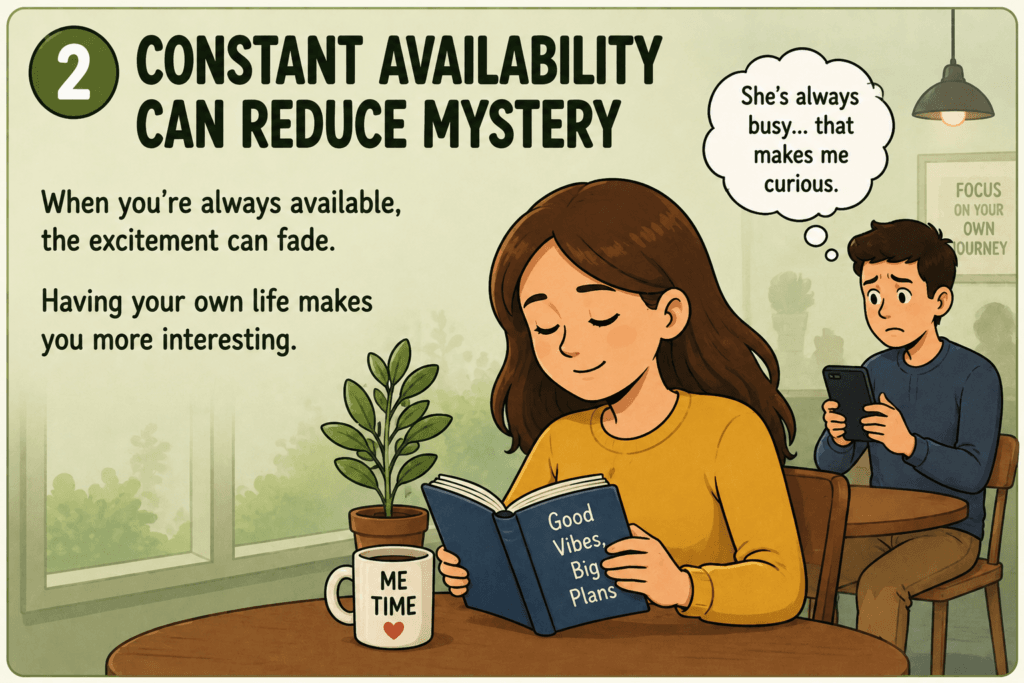
This doesn’t mean you should play games or pretend to be unavailable—it means maintaining your own interests, hobbies, and personal goals.
A full and meaningful life naturally makes you more interesting.
Chasing Can Signal Insecurity
3. Persistence Is Not Always Love
People often confuse persistence with love.
Constantly seeking reassurance, repeatedly asking for attention, or fearing every moment of distance may communicate insecurity rather than confidence.
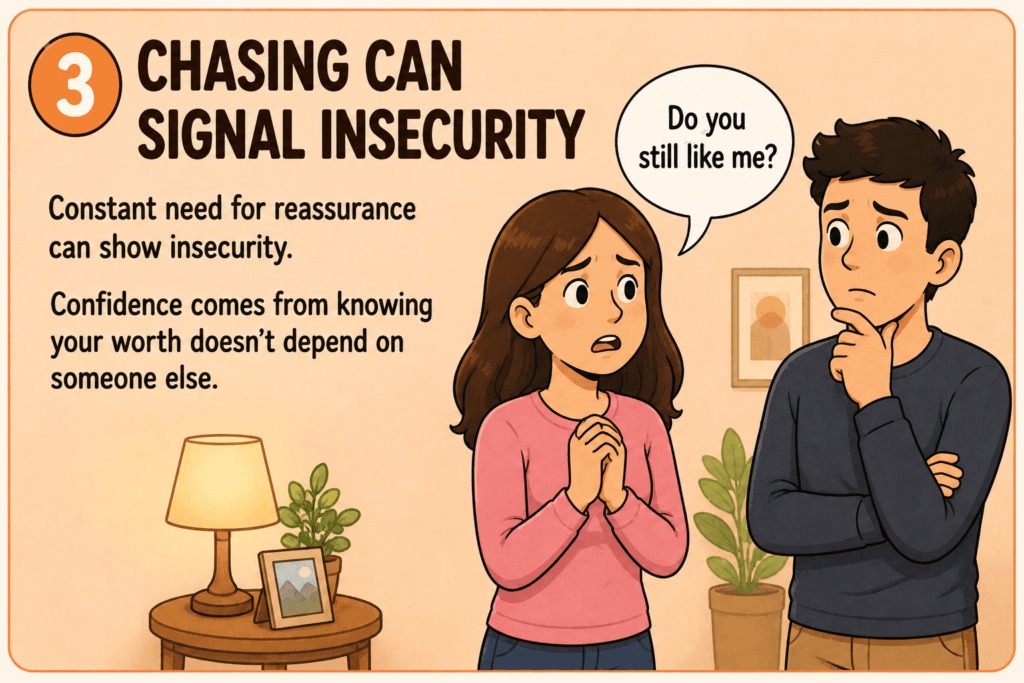
Confidence isn’t about acting cold; it’s about trusting that your worth doesn’t depend on another person’s constant validation.
Emotional Pressure Can Become Exhausting
4. Overdependence Creates Strain
No one wants to feel responsible for another person’s happiness all the time.
When one partner depends heavily on the other for emotional stability, the relationship can begin to feel overwhelming.
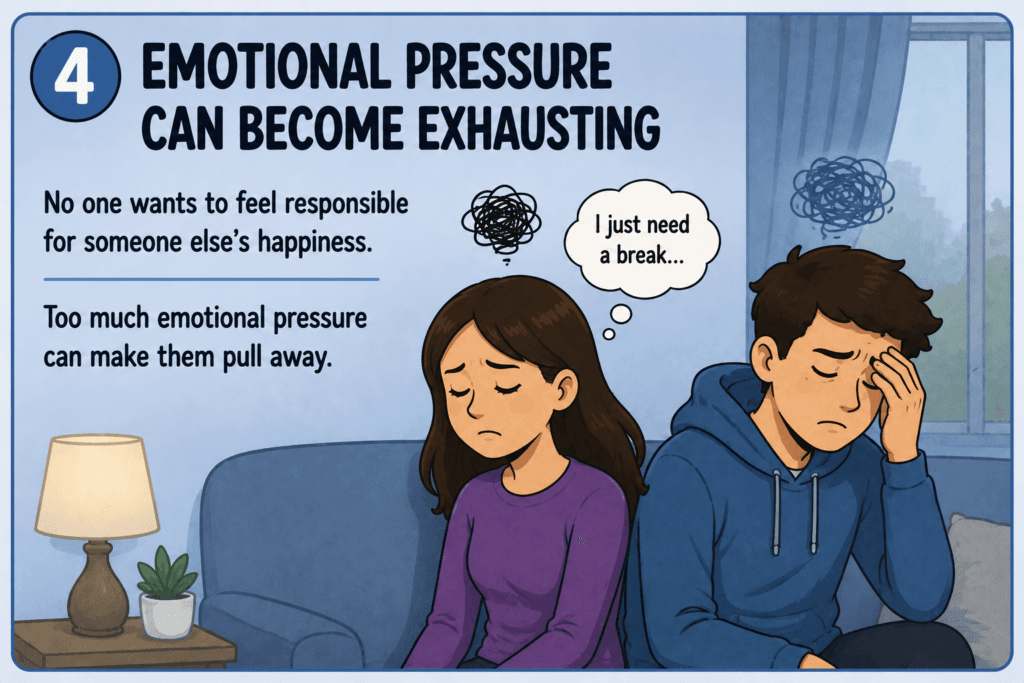
Over time, this pressure may cause the other person to withdraw—not because they don’t care, but because they need room to breathe.
Healthy love includes emotional support but also encourages personal independence.
Attraction Works Best When It’s Mutual
5. Balanced Effort Builds Stronger Bonds
Strong relationships aren’t built by one person doing all the chasing.
The healthiest connections involve effort from both sides.
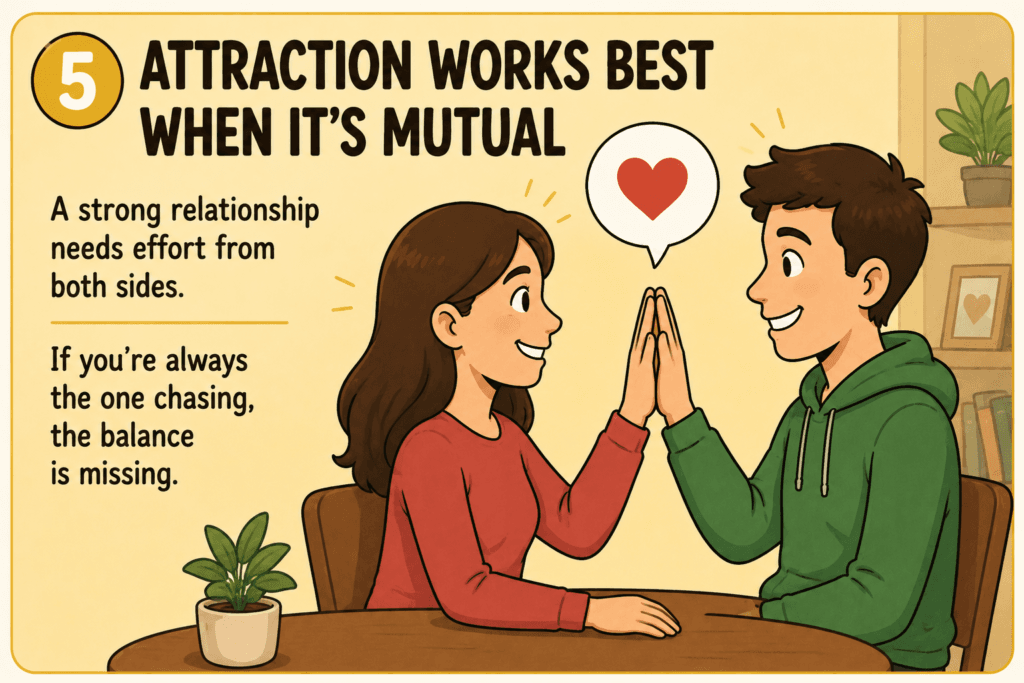
Both people initiate conversations, make plans, solve problems together, and show appreciation.
If you’re always the only one reaching out, it may be worth asking whether the relationship is truly balanced.
Chasing Often Comes From Fear of Loss
6. Fear Can Drive Unhealthy Patterns
Sometimes we don’t chase because we love someone—we chase because we’re afraid of losing them.
Fear can lead us to:
- Overthink interactions
- Over-text or apologize unnecessarily
- Ignore our own boundaries just to keep someone around
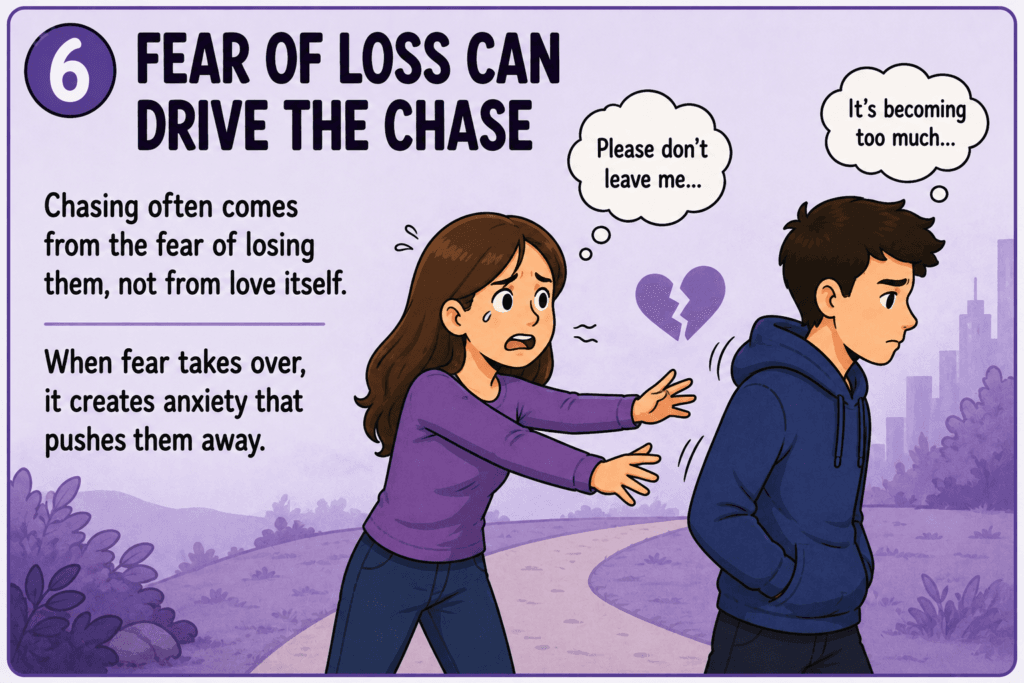
Ironically, this fear can create the very distance we were trying to prevent.
Learning to manage that fear helps create calmer, healthier relationships.
Real Love Doesn’t Need Constant Pursuit
7. Love Is a Choice, Not a Competition
Love isn’t a competition to convince someone to stay.
A healthy relationship is built on mutual respect, trust, communication, and shared effort.
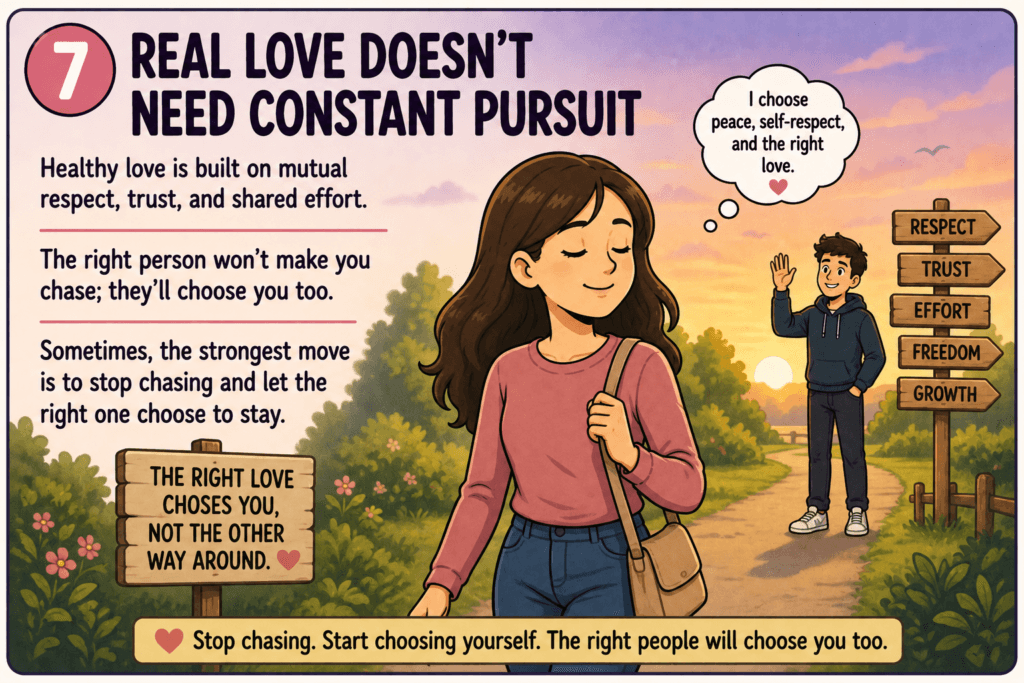
While every relationship requires initiative from both people, it shouldn’t feel like you’re carrying the entire relationship by yourself.
Sometimes the strongest move isn’t chasing harder—it’s allowing people the freedom to choose whether they want to walk beside you.
Final Thoughts
If you find yourself constantly chasing someone, pause and ask yourself why.
Are you building a relationship based on mutual care, or are you trying to earn affection that should be given freely?
The healthiest relationships don’t require endless pursuit.
They grow because two people willingly invest in each other, respect each other’s space, and choose one another every day.
Sometimes, stepping back isn’t giving up—it’s making room for a relationship based on genuine choice instead of constant pursuit.