
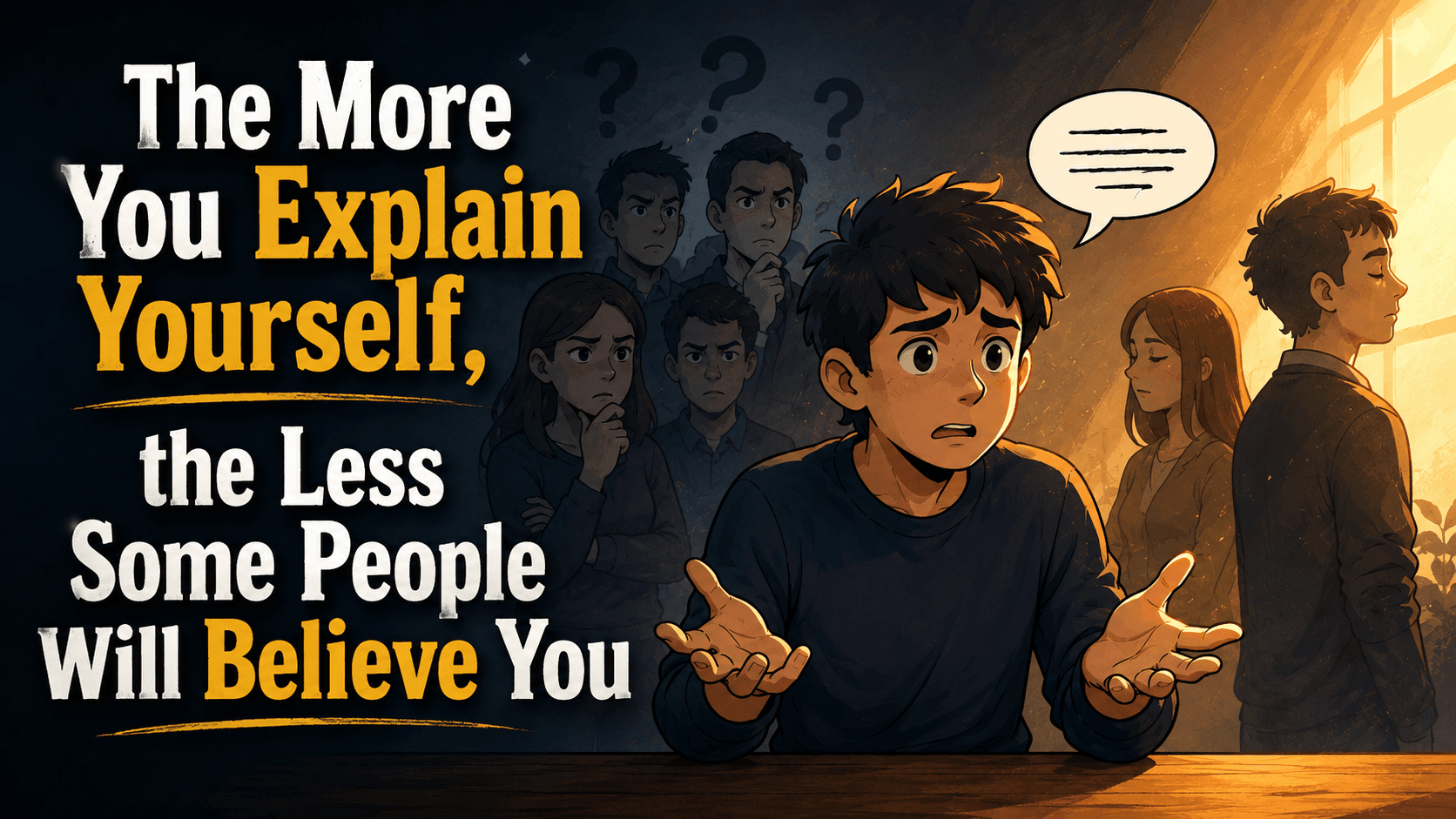
Have you ever found yourself explaining your intentions over and over, hoping someone would finally understand? It seems logical that the more details you give, the more believable you’ll become. Surprisingly, psychology suggests the opposite can sometimes happen.
Over-explaining can make you appear uncertain, defensive, or even guilty — even when you’re completely honest. Here’s why.
Why Over-Explaining Can Hurt Your Credibility
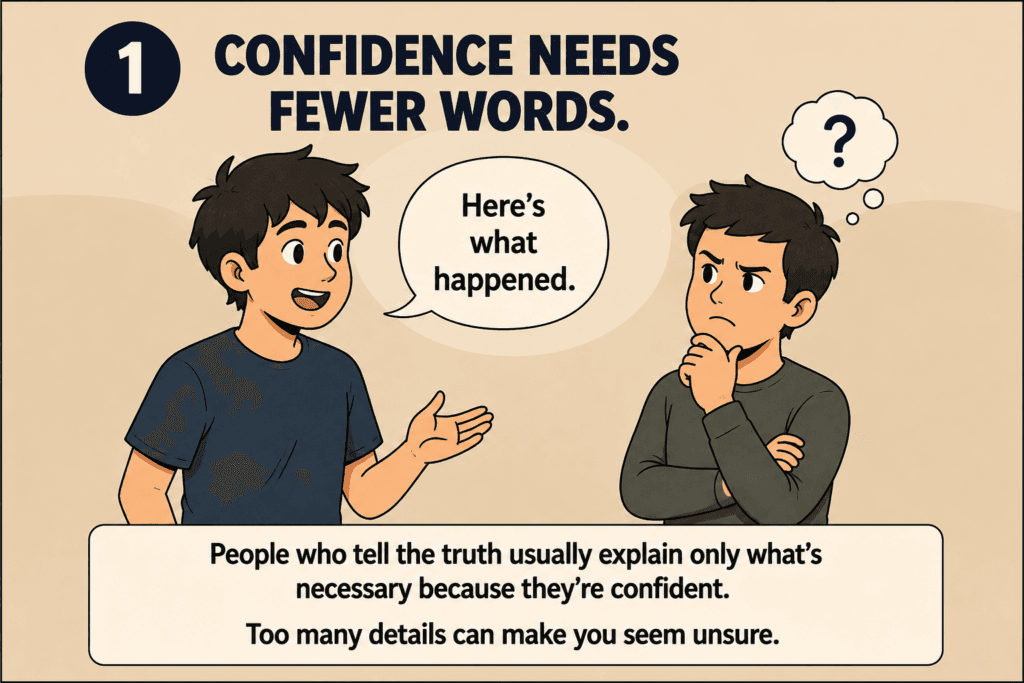
1. Confidence Usually Needs Fewer Words
People who tell the truth often explain only what’s necessary because they’re confident in what happened. When someone keeps adding more and more details, listeners may wonder why so much explanation is needed.
It’s not because you’re lying — excessive explanations can unintentionally signal insecurity.
2. Over-Explaining Can Look Like Defensiveness
Constantly defending every action may lead others to assume you’re trying to convince them rather than just telling the truth.
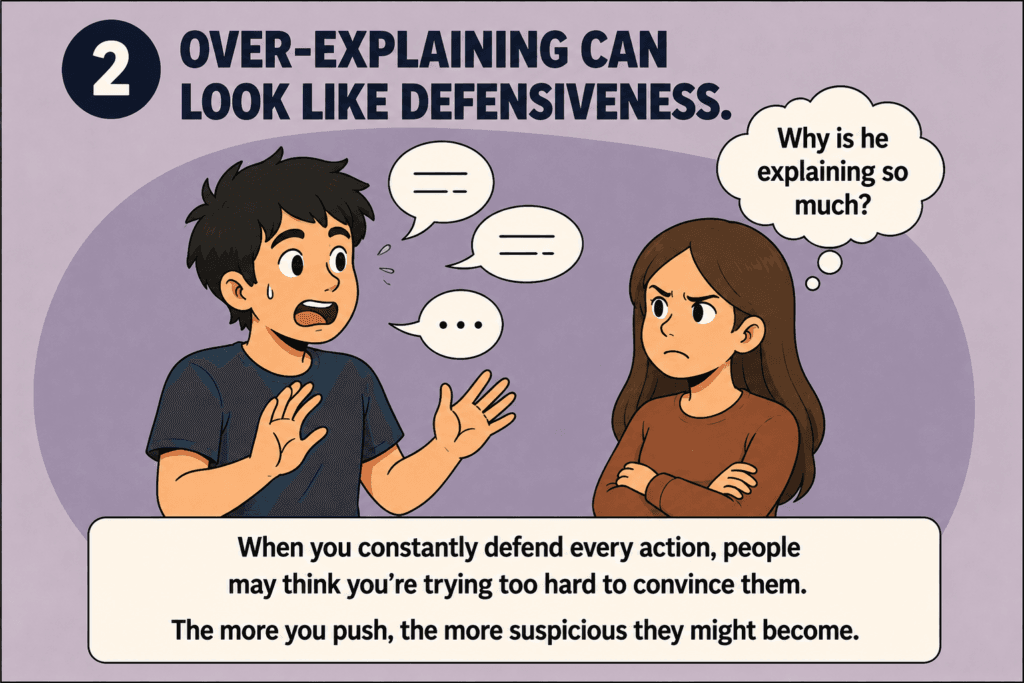
Ironically, the harder you try to prove yourself, the more suspicious some people become.
3. Some People Have Already Made Up Their Minds
Not everyone listens to understand. Some people only listen to confirm what they already believe.
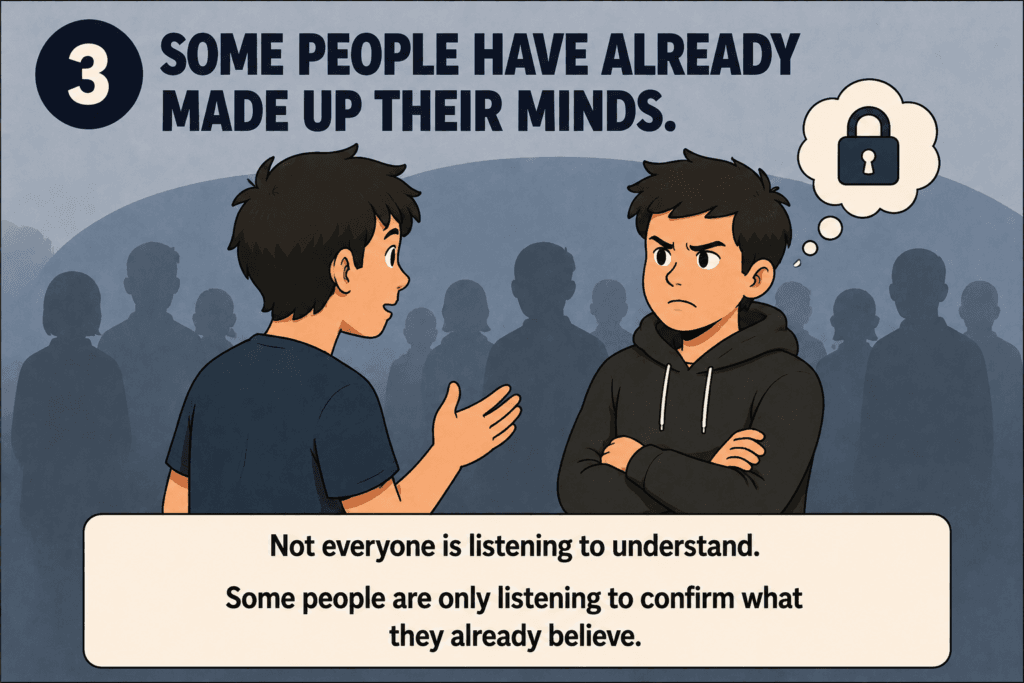
No matter how clearly you explain, they may reject your words because their opinion was formed long before you started speaking.
How Over-Explaining Creates Doubt
4. Too Much Information Can Overwhelm
Adding unnecessary details may distract listeners from your main point.
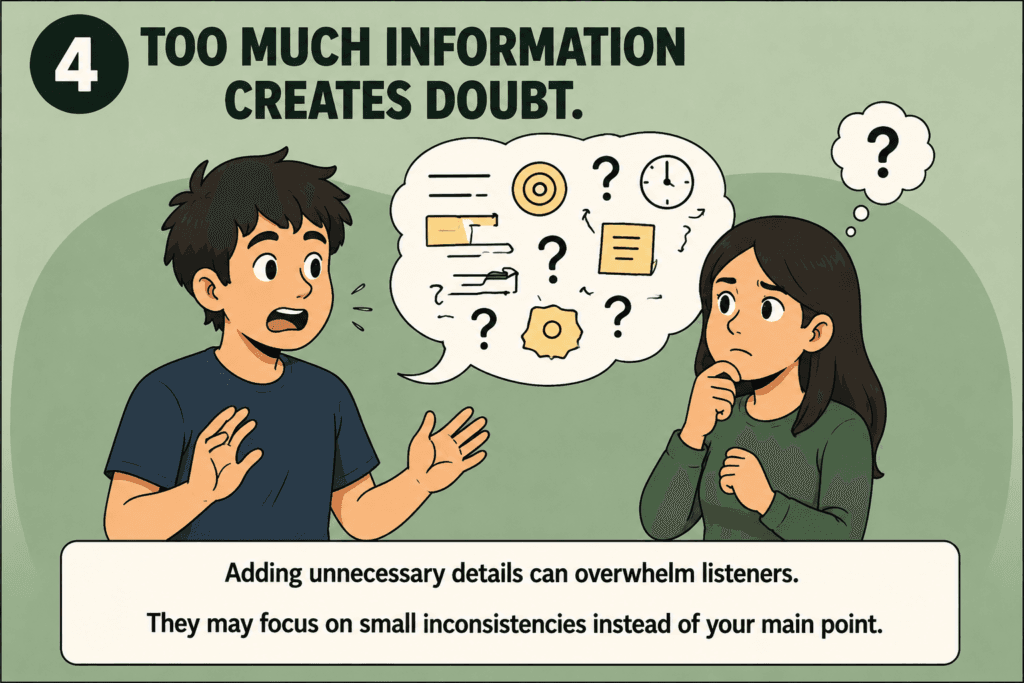
Instead of focusing on what matters, they might start questioning small inconsistencies that don’t actually affect the truth.
5. Actions Speak Louder Than Words
Trust is usually built through consistent actions, not endless conversations.
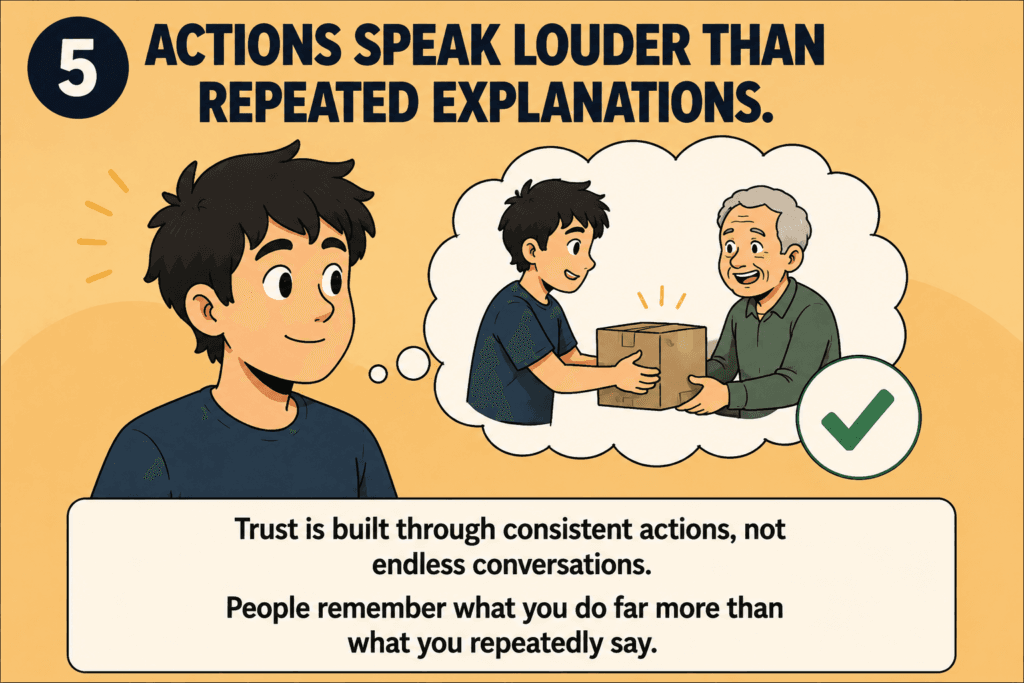
People tend to remember what you consistently do far more than what you repeatedly say.
6. Not Everyone Deserves an Explanation
Sometimes we feel obligated to explain ourselves to avoid being misunderstood.
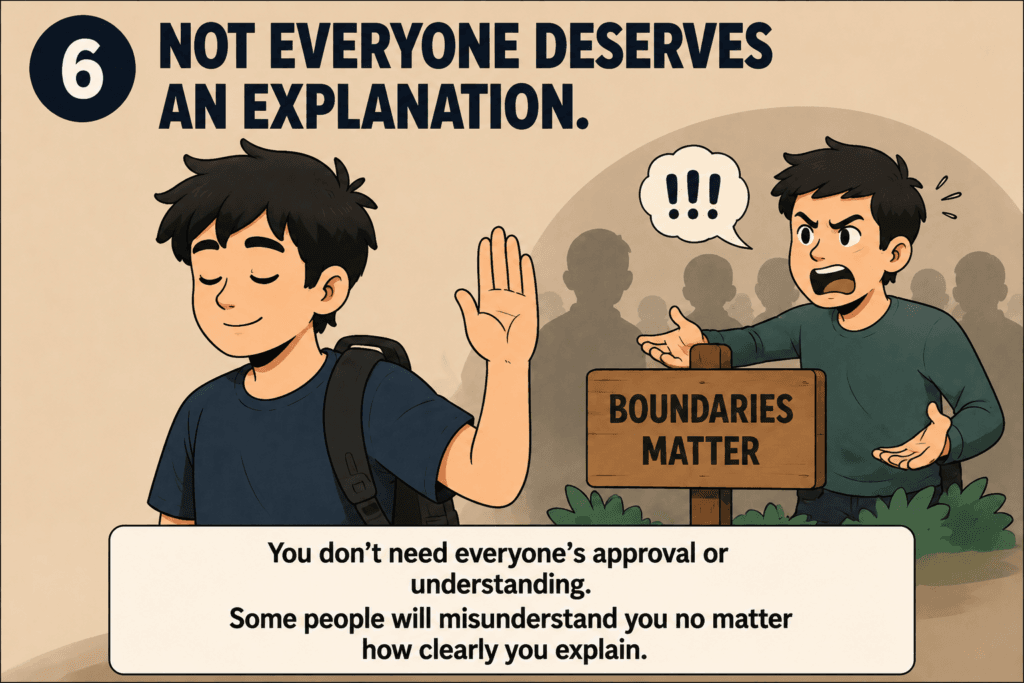
But setting healthy boundaries means recognizing that you don’t need everyone’s approval.
Some people will misunderstand you no matter how clearly you explain.
Final Thoughts
Explaining yourself isn’t wrong. Clear communication is important in healthy relationships and honest conversations.
However, if you find yourself repeating the same explanations to people who refuse to listen, the problem may no longer be your words.
Sometimes the strongest response is to stay calm, be consistent, and let your actions tell the story.
People who genuinely want to understand usually don’t need endless explanations — they pay attention to who you are, not just what you say.