
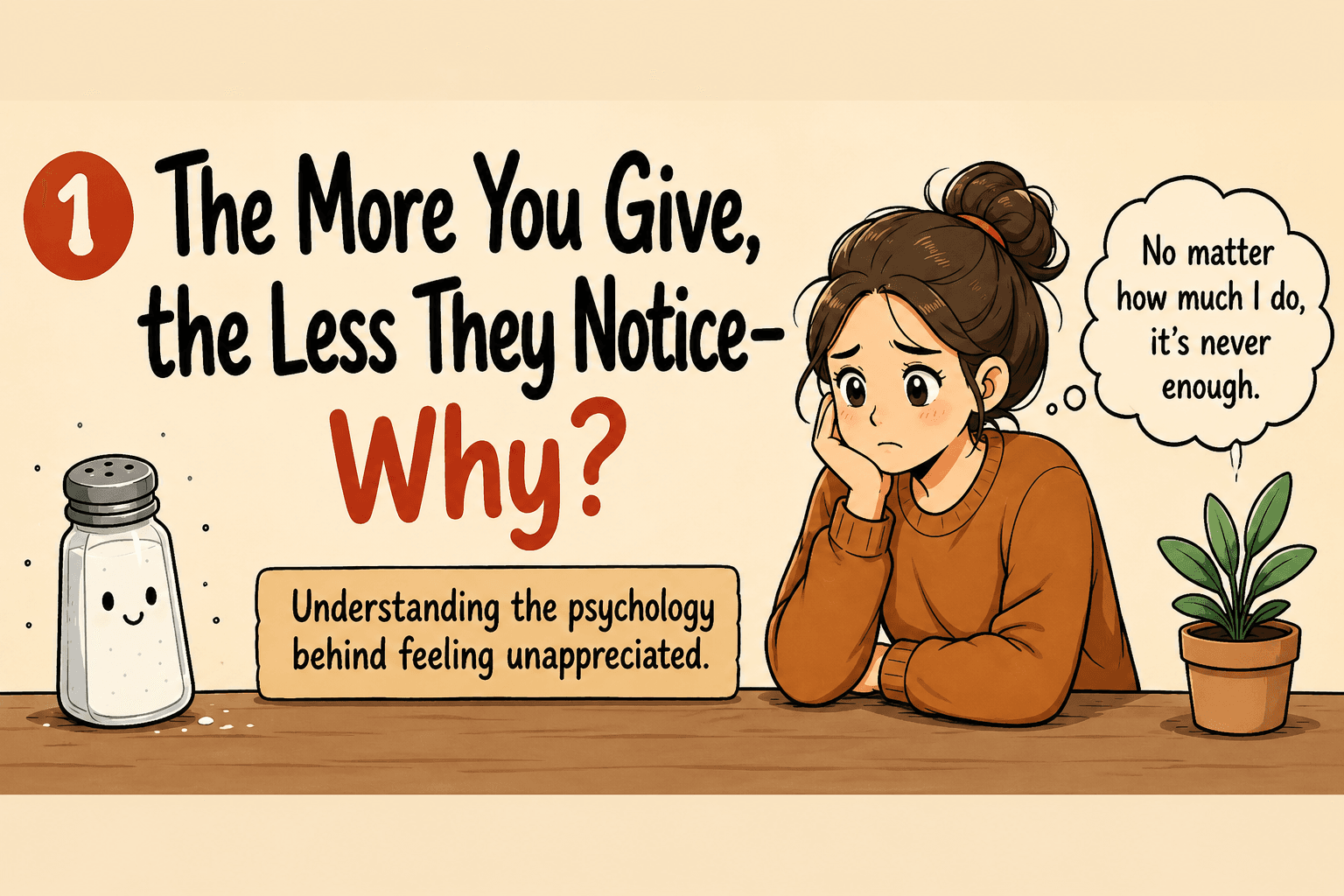
Have you ever felt like the more effort you put into a relationship, friendship, or even your job, the less appreciated you become?
At first, your kindness may be noticed and valued. Over time, however, what once felt special can slowly become expected.
This doesn’t mean kindness is a mistake. Psychology suggests that people naturally adapt to what they experience regularly.
When someone is always there, always helping, and always giving, others may stop noticing the effort behind those actions.
People Get Used to Consistency
1. Hedonic Adaptation
One reason this happens is a psychological concept known as hedonic adaptation.
Human beings quickly adjust to positive experiences. Something that once felt meaningful can gradually become part of everyday life.

If you’re always the one checking in, offering help, or making sacrifices, people may unconsciously begin to see those actions as normal rather than exceptional.
It’s not always because they don’t care—they may simply stop recognizing the effort.
Constant Availability Can Lower Appreciation
2. The Value of Boundaries
When something is always available, it often feels less valuable.
Think about electricity or clean water. Most people don’t spend much time thinking about them—until they’re suddenly unavailable.
Relationships can sometimes work the same way.
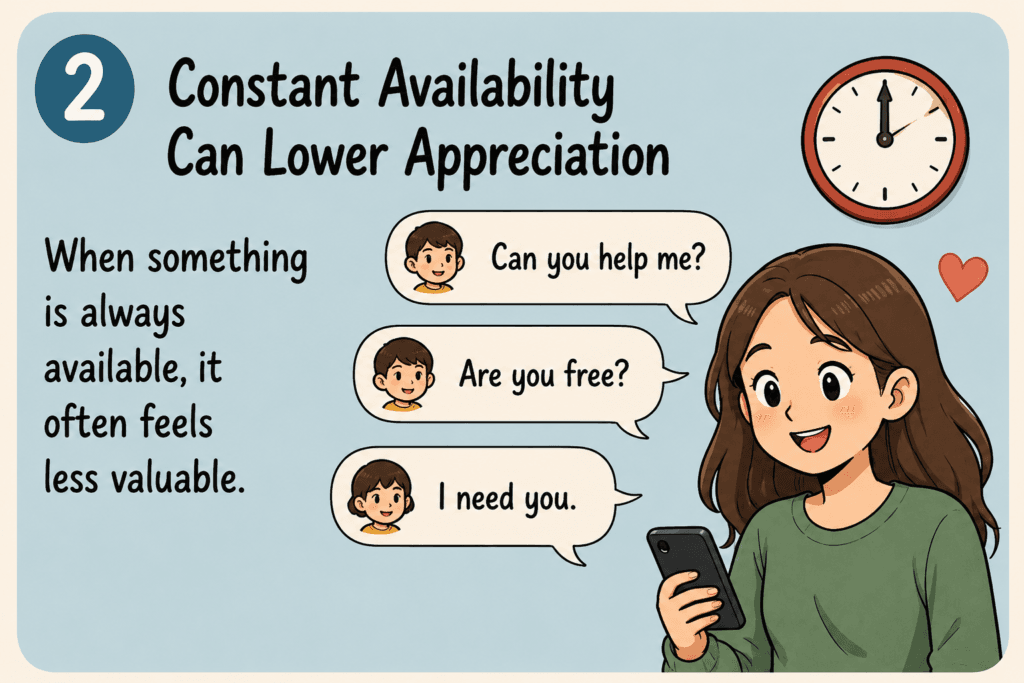
If you’re always saying yes, always making time, and never setting limits, others may begin to assume you’ll always be there.
Healthy boundaries don’t make you selfish. They remind people that your time, energy, and attention have value too.
Giving Without Balance Can Lead to Burnout
3. The Importance of Reciprocity
Many people believe that giving more will automatically create stronger relationships.
While generosity is important, healthy relationships also require mutual effort.
If one person is constantly giving while the other is mostly receiving, resentment and emotional exhaustion can grow.
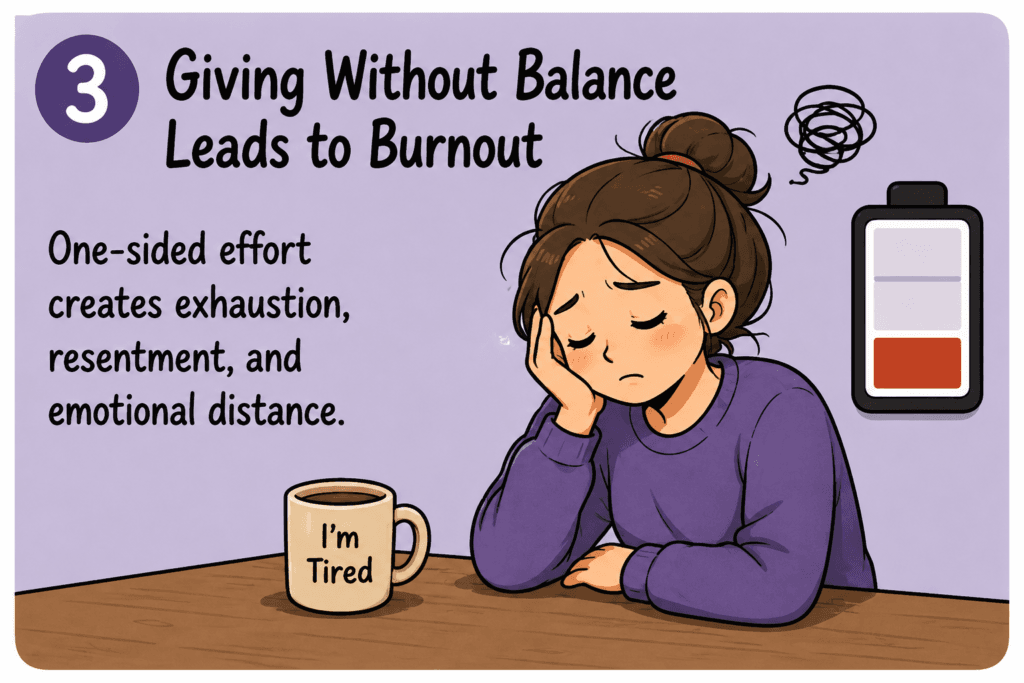
Over time, you may feel invisible, even though you’ve been doing your best.
Healthy relationships are built on appreciation, respect, and reciprocity—not endless sacrifice from one side.
Appreciation Often Comes From Contrast
4. The Role of Absence
There’s an old saying:
“Salt is never on the menu, but when it’s missing, everyone notices.”
The same idea applies to people.
Those who quietly support others often receive the least recognition because their presence has become expected.
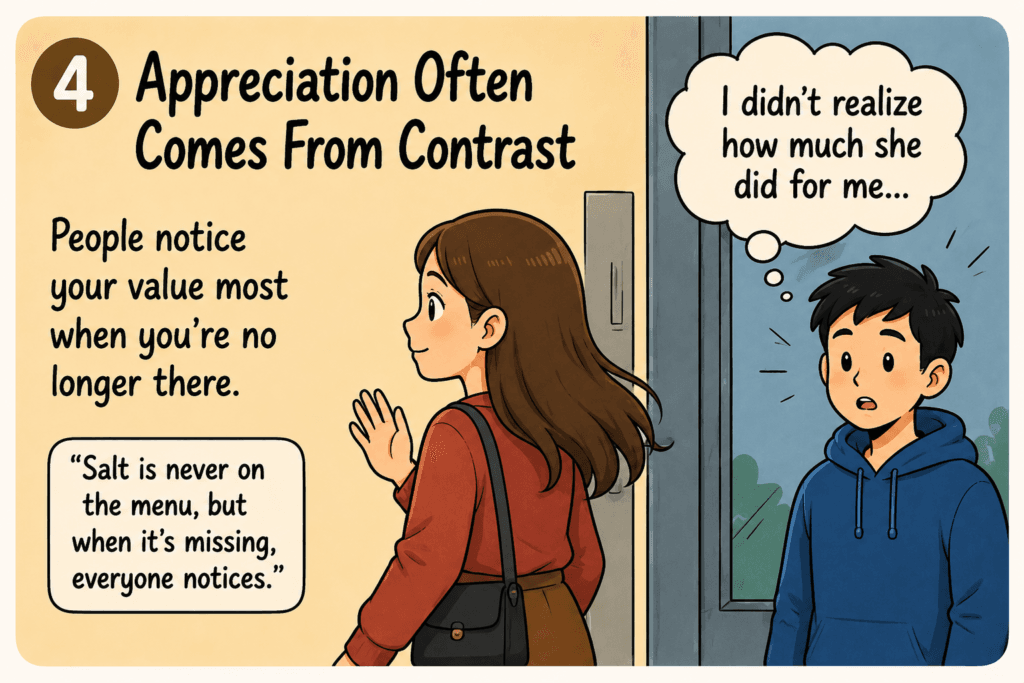
Sometimes people don’t fully realize your value until you’re no longer filling the role they’ve grown accustomed to.
This isn’t about making someone miss you on purpose—it’s simply how human perception often works.
You Don’t Need to Prove Your Worth Forever
5. Knowing Your True Value
One of the biggest mistakes people make is believing they must constantly earn love, respect, or attention.
The truth is, your value isn’t determined by how much you sacrifice for others.
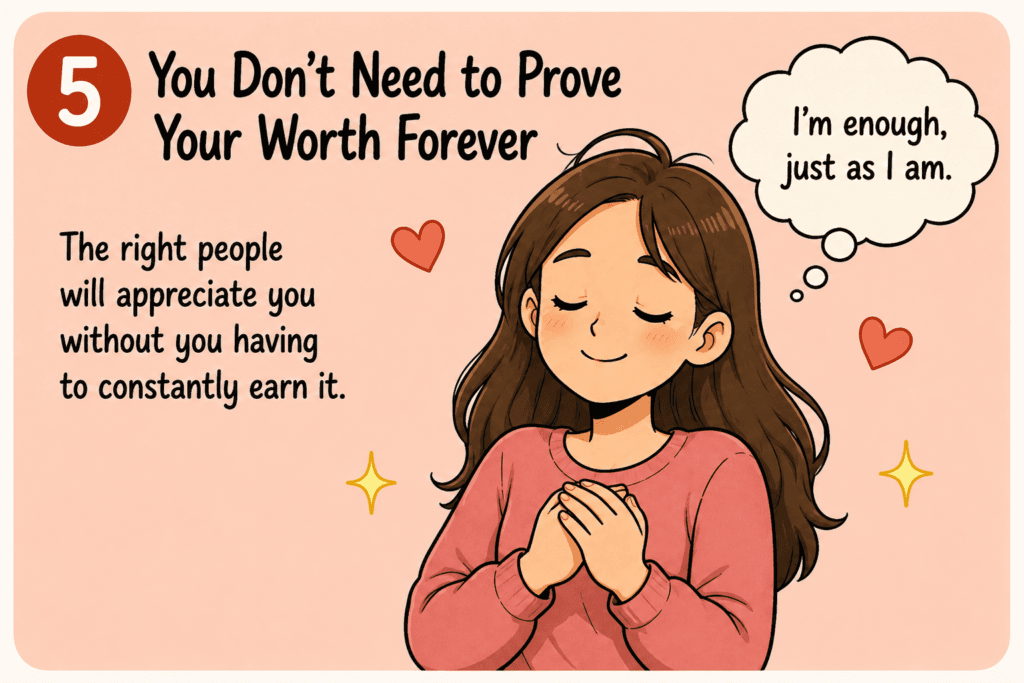
The right people won’t only appreciate what you do—they’ll appreciate who you are.
Instead of asking, “How can I give more?” try asking, “Is this relationship allowing both of us to contribute?”
Healthy connections involve both giving and receiving.
Final Thoughts
If you’ve been giving your time, energy, and kindness without feeling appreciated, it may not mean you’re giving the wrong things.
It may simply mean your efforts have become invisible through familiarity.
Continue being kind, but don’t lose yourself trying to earn appreciation that never comes.
Set healthy boundaries, protect your well-being, and remember this:
The more you give doesn’t always determine how much you’re valued.
Sometimes, the people who truly appreciate you are the ones who notice your effort before it’s gone.