
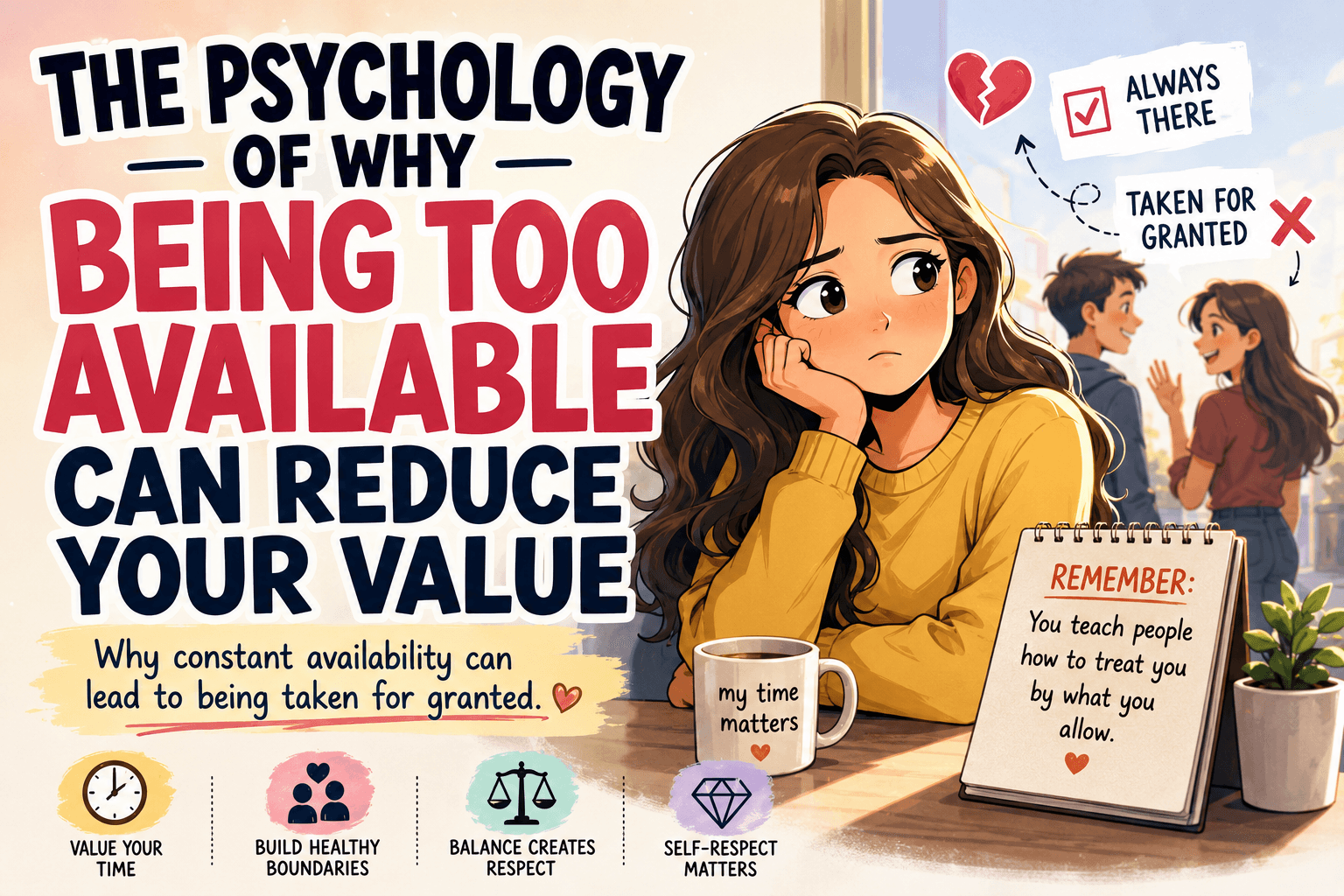
Have you ever noticed that the more you make yourself available for someone, the more they seem to take you for granted? You reply instantly, rearrange your schedule, always say yes, and make them a priority—yet instead of feeling more appreciated, you begin to feel overlooked.
This doesn’t mean being kind or dependable is a mistake. The real issue is that when availability comes without healthy boundaries, some people may begin to see your time and effort as something they’ll always have.
Why Constant Availability Can Lower Your Value
1. People Naturally Adapt to What Is Always There
The human brain quickly gets used to things that are consistently available.
At first, your attention, time, and support may feel special. Over time, however, they can become expected rather than appreciated.
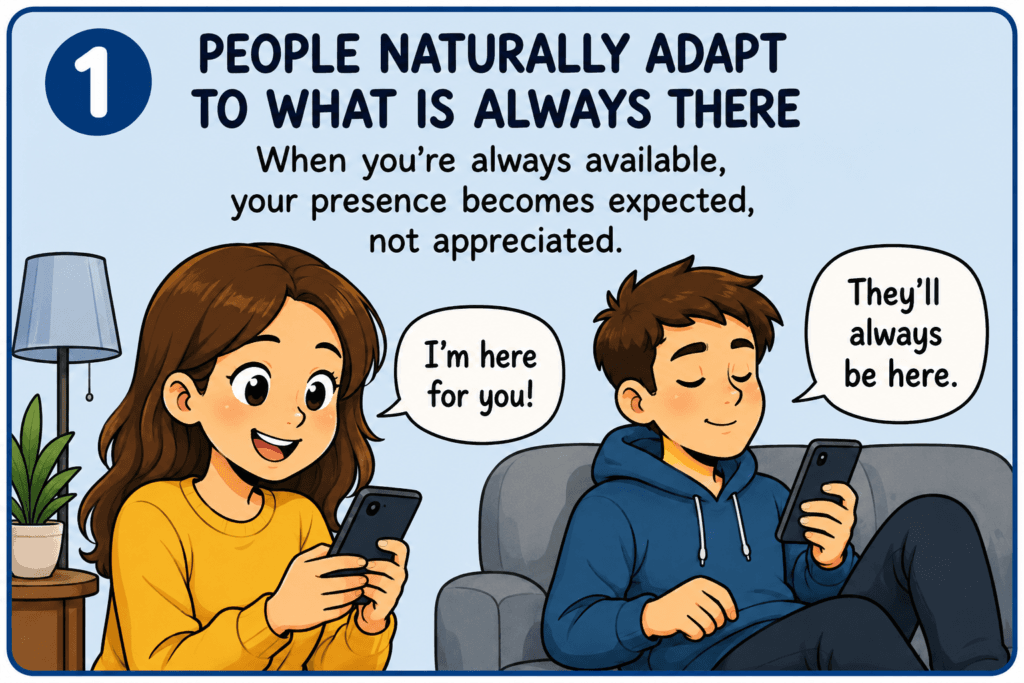
When someone believes you’ll always be there no matter what, they may stop recognizing the effort behind your actions—not because you’re less valuable, but because your presence has become predictable.
2. Scarcity Often Increases Perceived Value
Psychologists have long observed that people tend to place greater value on things they cannot access all the time.
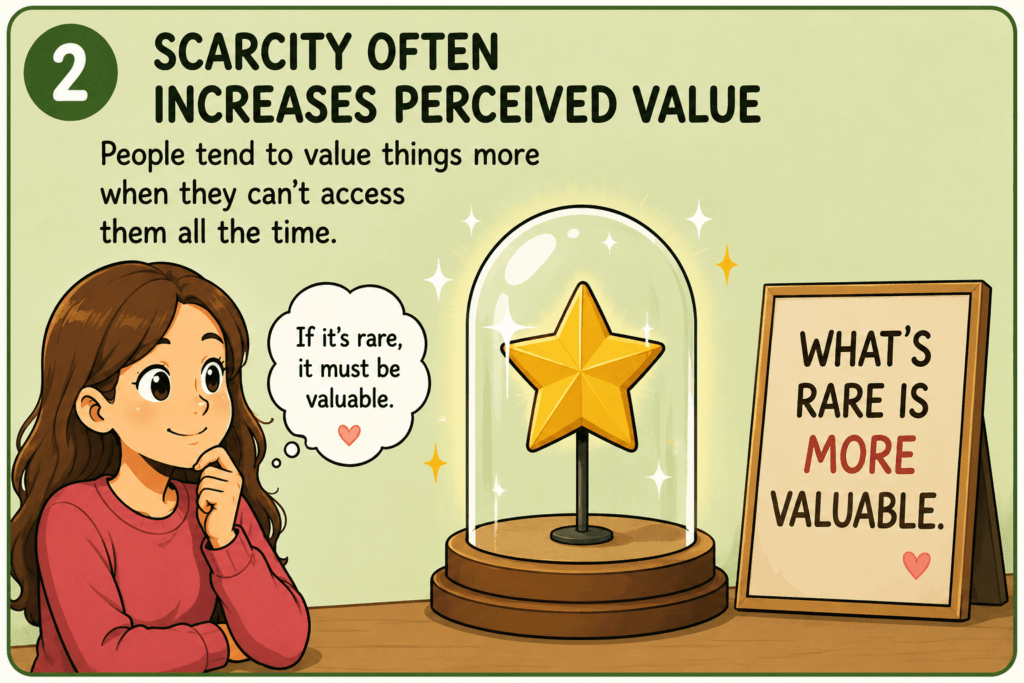
This idea, often called the scarcity principle, doesn’t mean you should play games or pretend to be busy. It simply shows that limited time and availability naturally make people pay more attention.
When your time has healthy limits, others are more likely to respect it.
3. Constant Availability Can Blur Personal Boundaries
Always saying yes can unintentionally send the message that your own needs come second.

Healthy relationships involve mutual respect, where both people understand that each person has responsibilities, goals, and personal time.
When one person is constantly sacrificing everything for the other, the relationship can become unbalanced.
4. People Respect Those Who Respect Their Own Time
Your schedule reflects what matters to you.
If you frequently cancel your own plans, hobbies, or responsibilities whenever someone calls, they may begin to assume your time isn’t particularly valuable.
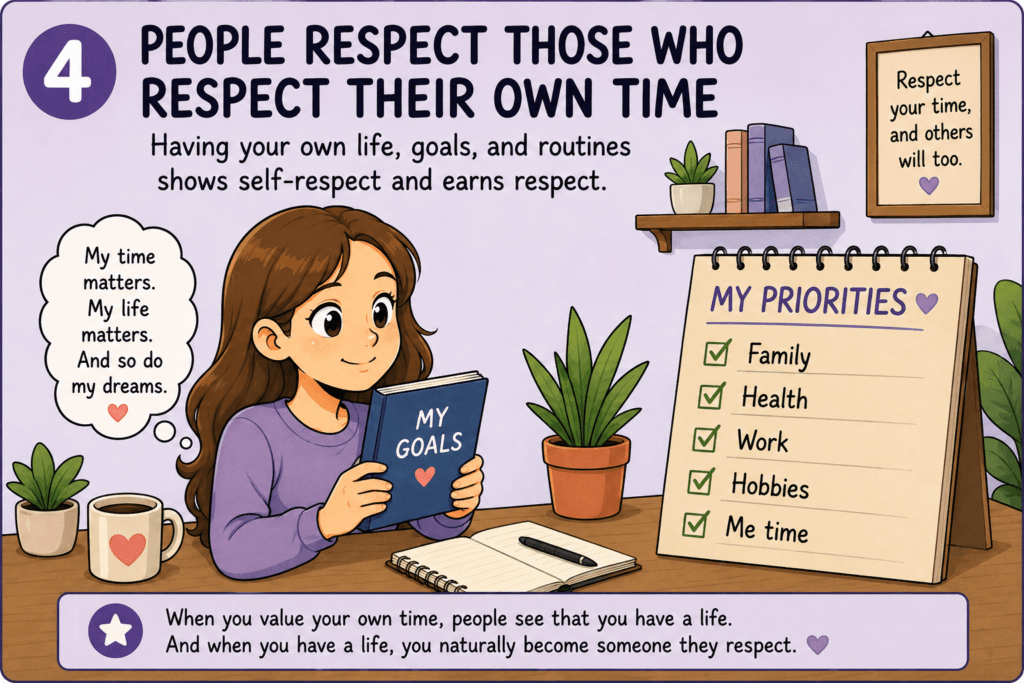
Ironically, people often admire individuals who have their own passions, routines, and commitments because it demonstrates self-respect and independence.
5. Being Too Available Can Create an Unequal Relationship
Healthy relationships involve effort from both sides.
If one person is always initiating conversations, solving problems, making sacrifices, or adjusting their schedule, the balance slowly disappears.
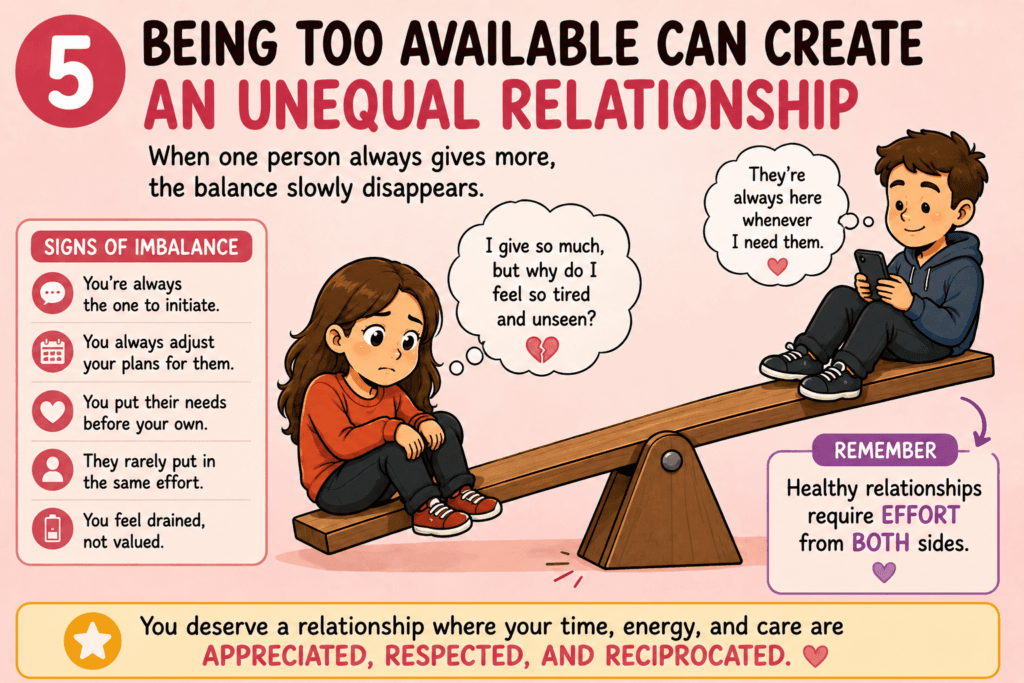
Over time, the other person may invest less simply because they no longer feel they need to.
6. Appreciation Grows When Effort Is Mutual
People generally value relationships more when both individuals contribute.
Mutual effort creates a stronger sense of partnership, while one-sided effort can slowly lead to complacency.
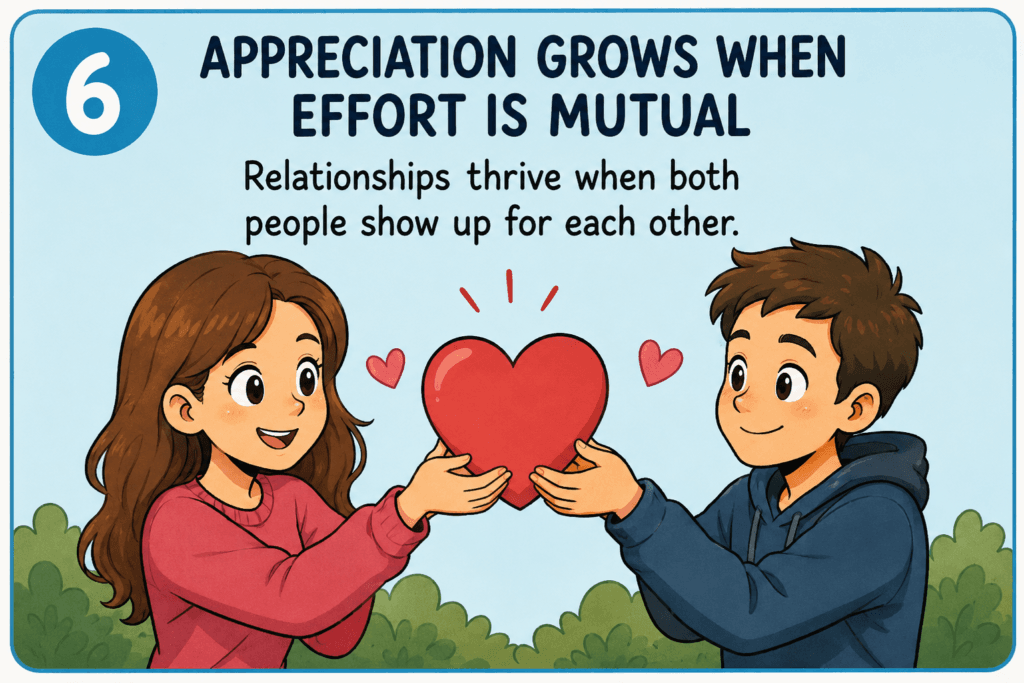
Being supportive is important, but allowing others to contribute as well often strengthens the relationship.
7. Your Value Comes From More Than Your Availability
Perhaps the most important lesson is this: your worth is not determined by how quickly you reply, how often you say yes, or how much you sacrifice for others.

What truly earns long-term respect is having healthy boundaries, honoring your own priorities, and building relationships where care flows both ways.
Final Thoughts
Being available is not a weakness.
Kindness, reliability, and generosity are valuable qualities.
The problem begins when constant availability comes at the expense of your own well-being or removes healthy boundaries from a relationship.
You don’t need to become distant or difficult to earn respect.
Instead, value your own time as much as you value everyone else’s.
The people who genuinely care about you will understand that having boundaries doesn’t make you selfish—it makes your relationships healthier, more balanced, and built on mutual respect.