

Many people apologize out of habit—even when they’ve done nothing wrong. While taking responsibility for genuine mistakes is a sign of maturity, constantly saying “sorry” for normal, healthy behavior can slowly damage your confidence and encourage others to ignore your boundaries.
Seven Things You Should Never Feel Guilty For
1. Setting Healthy Boundaries
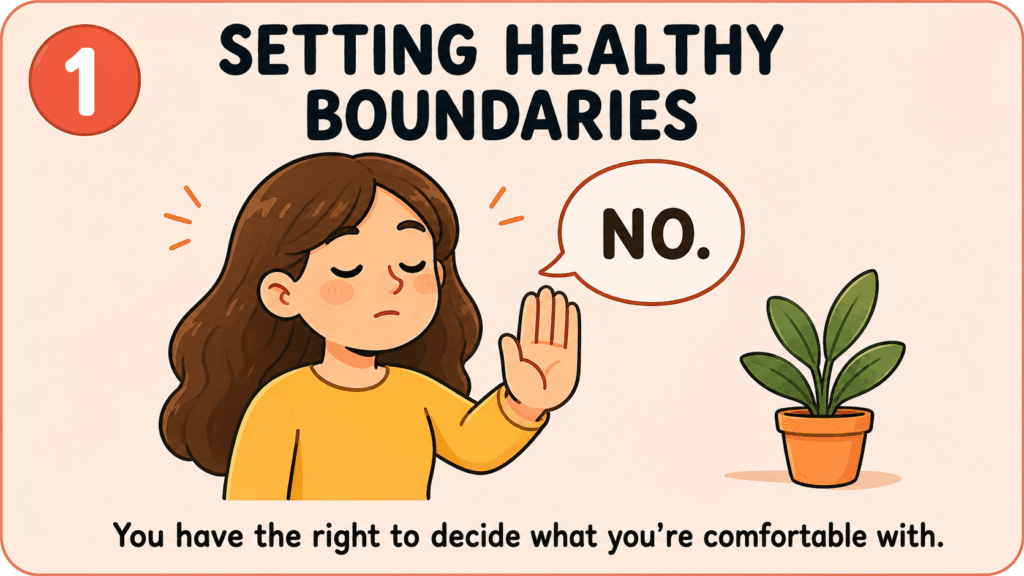
You have the right to decide what you’re comfortable with. Whether it’s saying “no,” protecting your time, or choosing not to participate in something, healthy boundaries are a form of self-respect—not selfishness.
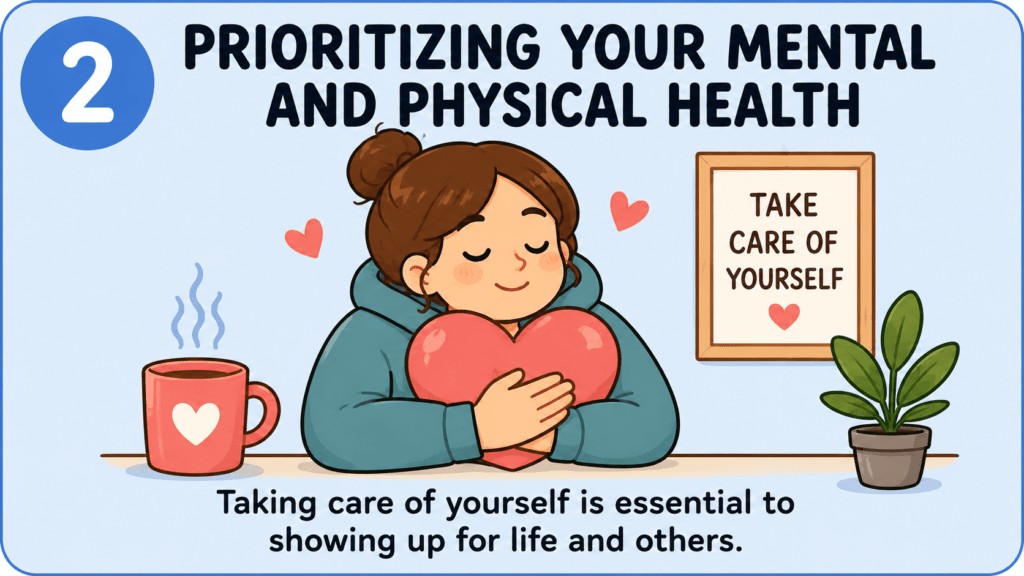
2. Prioritizing Your Mental and Physical Health
Taking a break, getting enough sleep, visiting a doctor, or stepping away from stressful situations isn’t laziness. You can’t consistently support others if you constantly neglect your own well-being.
3. Saying “No” to Something You Don’t Want
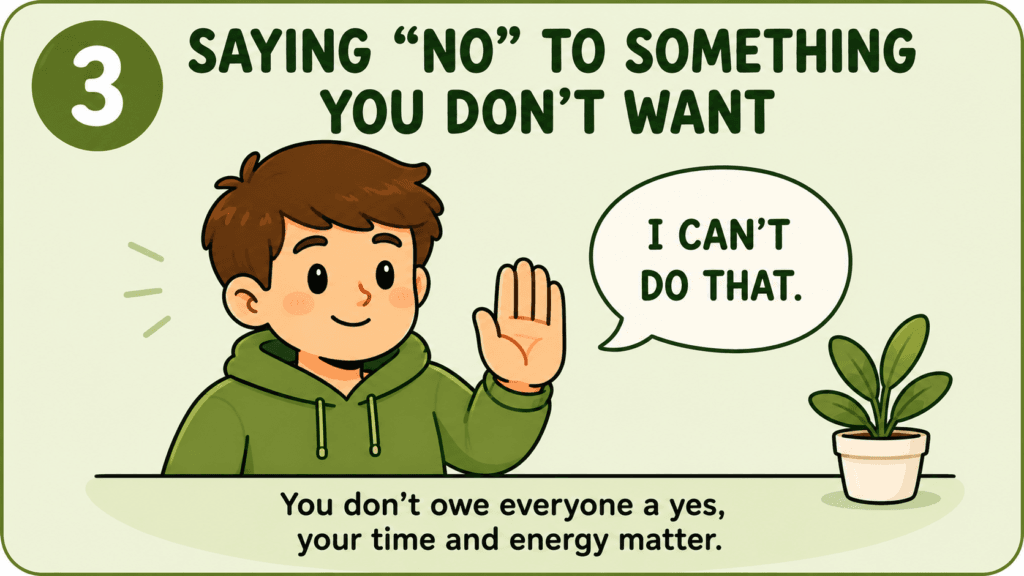
You don’t owe everyone a yes. Declining an invitation, turning down extra work, or refusing something that doesn’t align with your values is a healthy way to manage your time and energy.
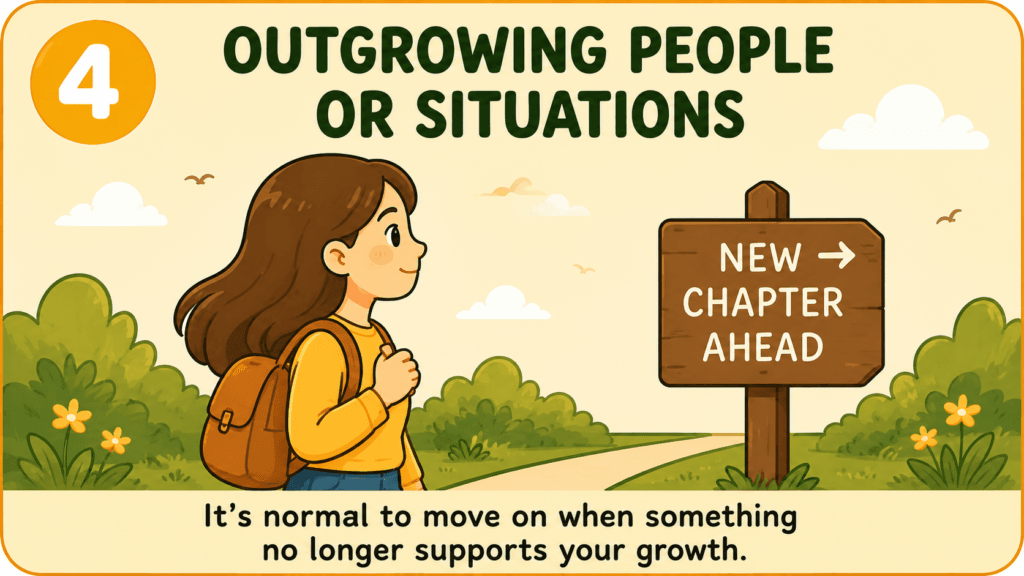
4. Outgrowing People or Situations
As you grow, your goals, interests, and relationships may change. It’s normal to move on from friendships, habits, or environments that no longer help you become the person you want to be.
5. Being Different
You don’t have to hide your personality, interests, or dreams just to fit in. The people who truly value you will appreciate your authenticity rather than expect you to become someone else.

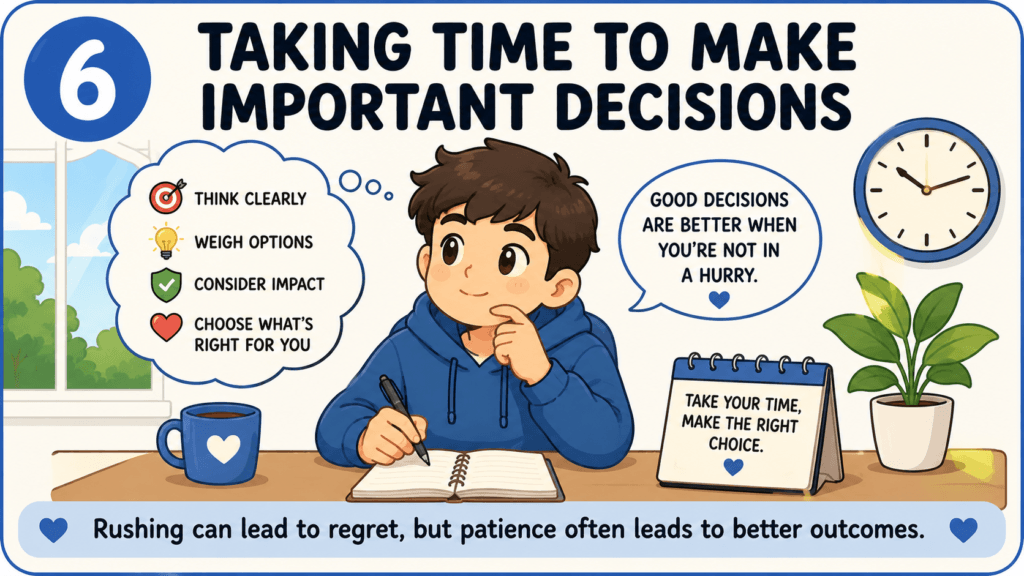
6. Taking Time to Make Important Decisions
Not every decision should be rushed. Whether it’s choosing a career, ending a relationship, or making a financial commitment, taking time to think carefully often leads to better outcomes.
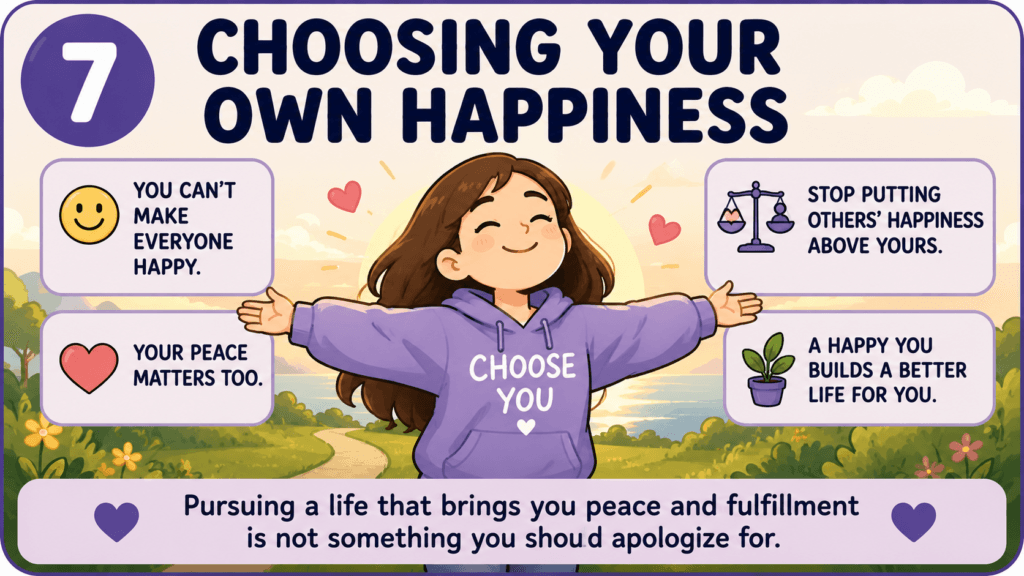
7. Choosing Your Own Happiness
You can’t make everyone happy, and trying to do so often leaves you emotionally exhausted. Pursuing a life that brings you peace and fulfillment isn’t something you should apologize for.
Final Thoughts
Apologies are meaningful when they’re sincere and necessary. But apologizing for having boundaries, taking care of yourself, or living according to your values can slowly undermine your confidence.
Respect yourself enough to recognize the difference between kindness and people-pleasing.
The healthiest relationships are built on mutual respect—not constant guilt.