
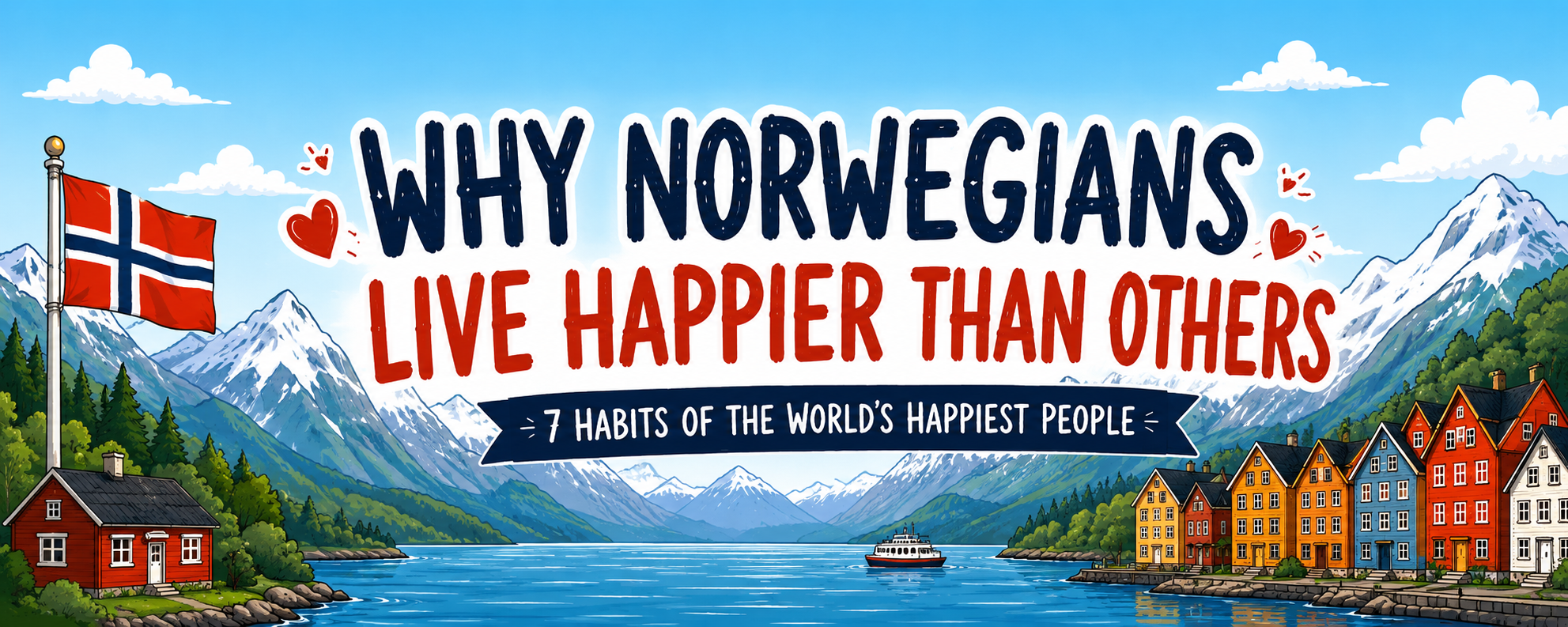
When people talk about the happiest countries in the world, Norway is often near the top of the list. While happiness means different things to different people, many experts agree that Norway’s culture, lifestyle, and social values contribute to a higher quality of life.
Instead of constantly chasing more, many Norwegians focus on balance, well-being, and meaningful experiences.
Here are seven reasons why Norwegians are often considered some of the happiest people in the world.
1. They Spend Time in Nature All Year Round
Norwegians have a strong connection to nature. Whether it’s hiking in the mountains, skiing during winter, fishing, or simply taking a walk outdoors, spending time outside is a regular part of life.

Research shows that being in natural environments can reduce stress, improve mood, and boost mental health.
Many Norwegians make outdoor activities part of their routine regardless of the weather, instead of staying indoors all day.
2. They Value Simple Daily Routines
Modern life often encourages people to seek constant excitement and achievement. In Norway, many find happiness in simple daily routines.

- Having breakfast with family
- Taking a walk after work
- Reading a book
- Enjoying a quiet evening at home
These simple experiences help reduce unnecessary stress and create a sense of stability.
3. Work-Life Balance Is Taken Seriously
Norway places strong emphasis on work-life balance. Employees are encouraged to have time for family, hobbies, and personal well-being.
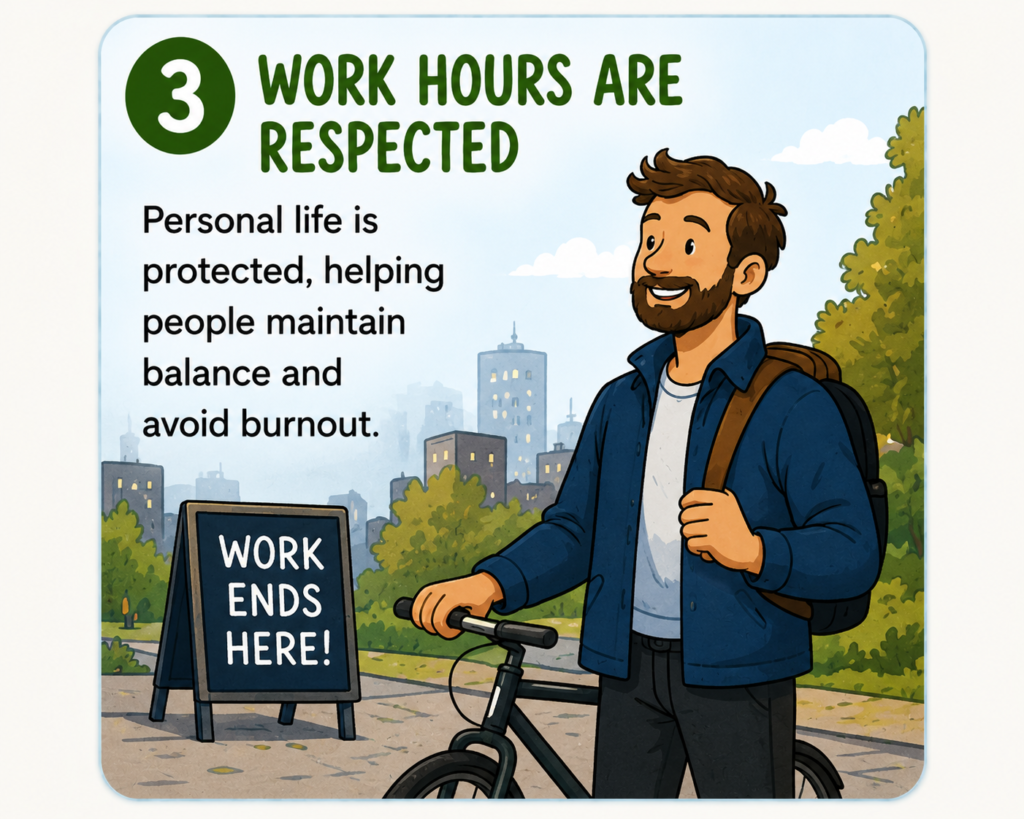
While hard work is respected, personal time is just as important. Many people finish work at reasonable hours and avoid letting their jobs take over their entire lives.
This balance helps prevent burnout and improves overall happiness.
4. People Trust Each Other
Trust plays a major role in Norwegian society. People generally trust their neighbors, communities, and public institutions.
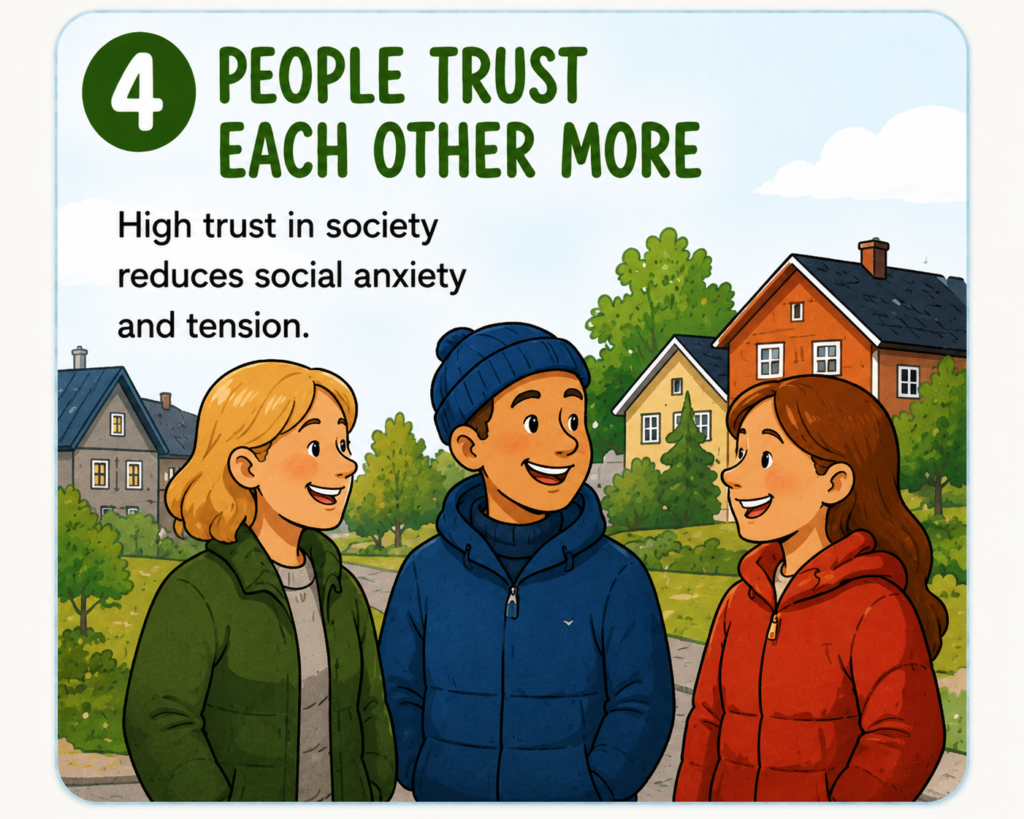
Living in a society with higher levels of trust reduces anxiety and social tension.
When people feel safe and supported, everyday life becomes less stressful and more enjoyable.
5. Children Learn Independence Early
Norwegian children are encouraged to spend time outdoors, solve problems on their own, and develop independence from a young age.

This approach builds resilience, confidence, and practical life skills.
Instead of being overly protected, children gradually learn how to handle challenges, preparing them for adulthood.
6. Success Is Not Constantly Compared
In many parts of the world, people feel pressure to compare their achievements, income, or possessions with others.

Norwegian culture places less emphasis on showing off success.
With less social pressure to compete, people can focus more on their own goals and happiness rather than trying to impress others.
7. Quiet Personal Time Is Respected
Many Norwegians value personal space and quiet time.
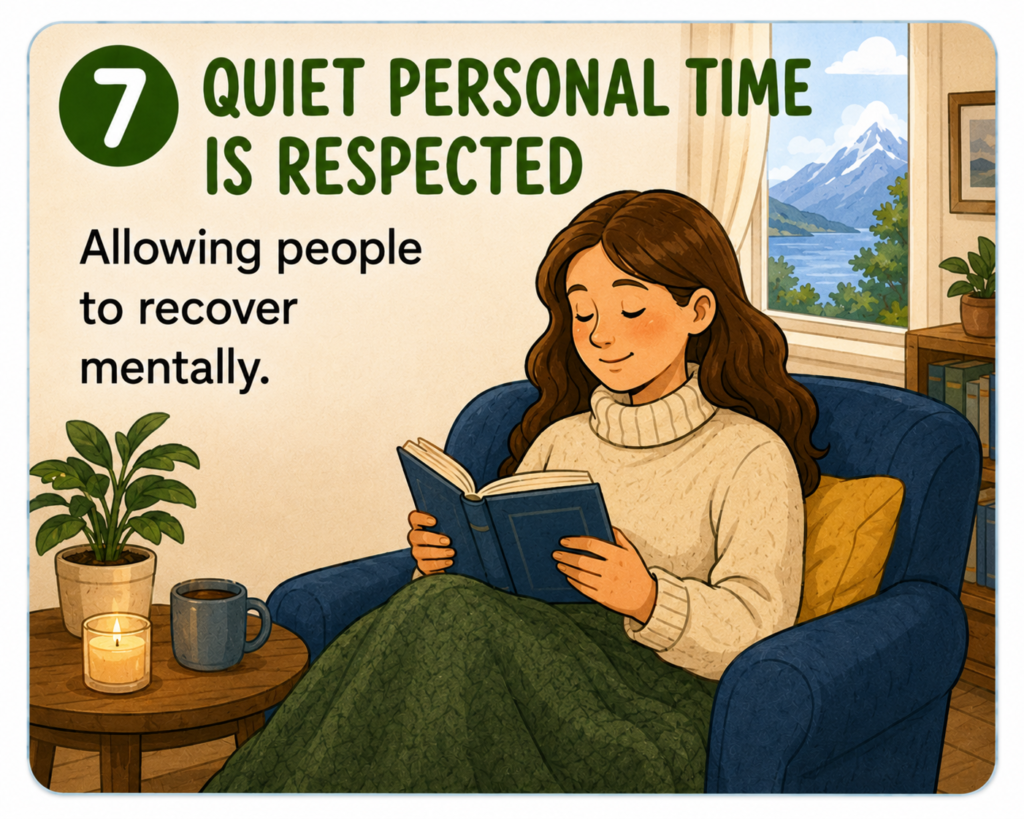
Spending time alone is not seen as strange or antisocial. Instead, it’s viewed as a healthy way to recharge mentally and emotionally.
Having time to reflect, relax, and recover improves mental well-being and helps people handle life’s challenges more effectively.
Final Thoughts
Norway’s happiness is not based on a single secret. It comes from a combination of:
- Spending time in nature
- Maintaining healthy routines
- Respecting work-life balance
- Building trust
- Encouraging independence
- Avoiding unnecessary competition
- Valuing personal time
While no country is perfect, these habits offer useful lessons anyone can apply.
Sometimes happiness isn’t about having more—it’s about creating a lifestyle that allows you to appreciate what you already have.